 Clear Out Clutter Faster with the Right Dumpster Size
Attic and basement cleanouts can feel overwhelming. Years of boxes, broken furniture, old toys, and random “we might need this one day” items stack up until there is barely room to walk. The hardest part is not sorting the stuff. It is figuring out how to get it all out of the house without spending days driving back and forth to the dump.
Choosing the right dumpster size can make the whole project smoother. With a roll-off dumpster in your driveway, you can clear a room in hours instead of stretching it out over several weekends. The goal is simple: pick a size that fits your clutter, stays within weight limits, and keeps your project on schedule, whether you are a homeowner doing a cleanout or a contractor prepping a property for work.
How to Estimate What Is Really in Your Attic or Basement
Most people underestimate how much is tucked into storage spaces. Before you book a dumpster, take a quick walk-through and do a simple “volume check.”
You can think about your clutter in a few easy ways:
- Pickup truck loads: One pickup bed of junk equals roughly a small chunk of a dumpster
- Room size: A full small bedroom of stuff, floor to ceiling, might need a mid-size dumpster
- Categories: Furniture, boxes, appliances, and construction debris all stack differently
As you look around, notice the heavy surprises that add up fast in a dumpster:
- Boxes of books or magazines
- Paint cans and old home improvement supplies
- Tools, hardware, and exercise equipment
- Leftover flooring, tiles, or scrap wood
These are not just bulky, they are dense, which affects the weight of your load. Some items, like paints or certain chemicals, may also need special handling instead of going straight into a dumpster.
A quick pre-cleanout checklist can help you plan:
- Make three areas: donate, recycle, and trash
- Pull out anything that might need special disposal, like paint, chemicals, or certain electronics
- Note big or heavy pieces such as sofas, old desks, or freezers that will take up more room
- Decide if you will also be tossing renovation debris, like drywall or cabinets
This quick prep gives you a clearer sense of both volume and weight, which are key for smart dumpster sizing.
Dumpster Sizing Basics for Attics and Basements
For attic and basement cleanouts, most residential projects work well with a few common roll-off dumpster sizes, such as 10-yard, 15-yard, or 20-yard containers. Exact sizes can vary, but the idea stays the same: the larger the number, the more space you have for junk.
Here is a simple way to think about them in terms of project scope:
- 10-yard: Good for smaller cleanouts, like a lightly packed attic or a small apartment basement
- 15-yard: A solid middle choice for a standard single-family attic or basement with a mix of items
- 20-yard: Helpful for bigger cleanouts, multiple storage areas, or cleanouts paired with some demolition
Two things matter with dumpster sizing: volume and weight. Volume is measured in cubic yards and tells you how much physical space your junk can take up. Weight limits tell you how heavy that load can be before extra charges might apply.
That is why a basement loaded with:
- Books
- Tools and hardware
- Small appliances
- Boxes of old papers
can hit weight limits faster than an attic full of lighter items like clothing, toys, and plastic bins. The space might look similar, but the weight is very different.
For common projects:
- Small apartment basement or storage unit: Start with a 10-yard
- Single-family home attic or basement with average clutter: A 15-yard often fits well
- Whole-house decluttering or contractor-led cleanout in an older home: A 20-yard can give needed breathing room
When in doubt, it usually helps to lean slightly larger rather than risk running out of space halfway through.
Choosing the Right Dumpster Size for Your Project
To pick a dumpster size that fits your attic or basement project, break it into a few simple steps.
1. Count the spaces
Decide how many areas you are clearing: just the attic, just the basement, or both. Add in any closets, crawl spaces, or storage rooms that tend to “overflow” into those areas.
2. Decide what kind of junk you have
Is it mostly light household clutter, or do you have heavy materials like tools, books, and leftover building materials? Heavier projects might need a size that handles a higher weight allowance, even if the volume looks modest.
3. Think about extra debris
If you are planning any demolition or renovation, like tearing out old shelves, wall panels, or flooring, include that in your estimate. Construction debris stacks differently and can fill space faster than regular junk.
4. Leave a buffer
Most cleanouts uncover forgotten corners. Give yourself a little extra space so you do not have to stop halfway and arrange another container.
Seasonal timing plays a part too. Many homeowners in areas like Westchester, Putnam, and Dutchess counties like to clean out basements before winter, so there is easy access to furnaces, water heaters, and pipes. Contractors often have tight schedules as the weather cools, so locking in the right dumpster size early can help avoid delays.
To avoid under-sizing:
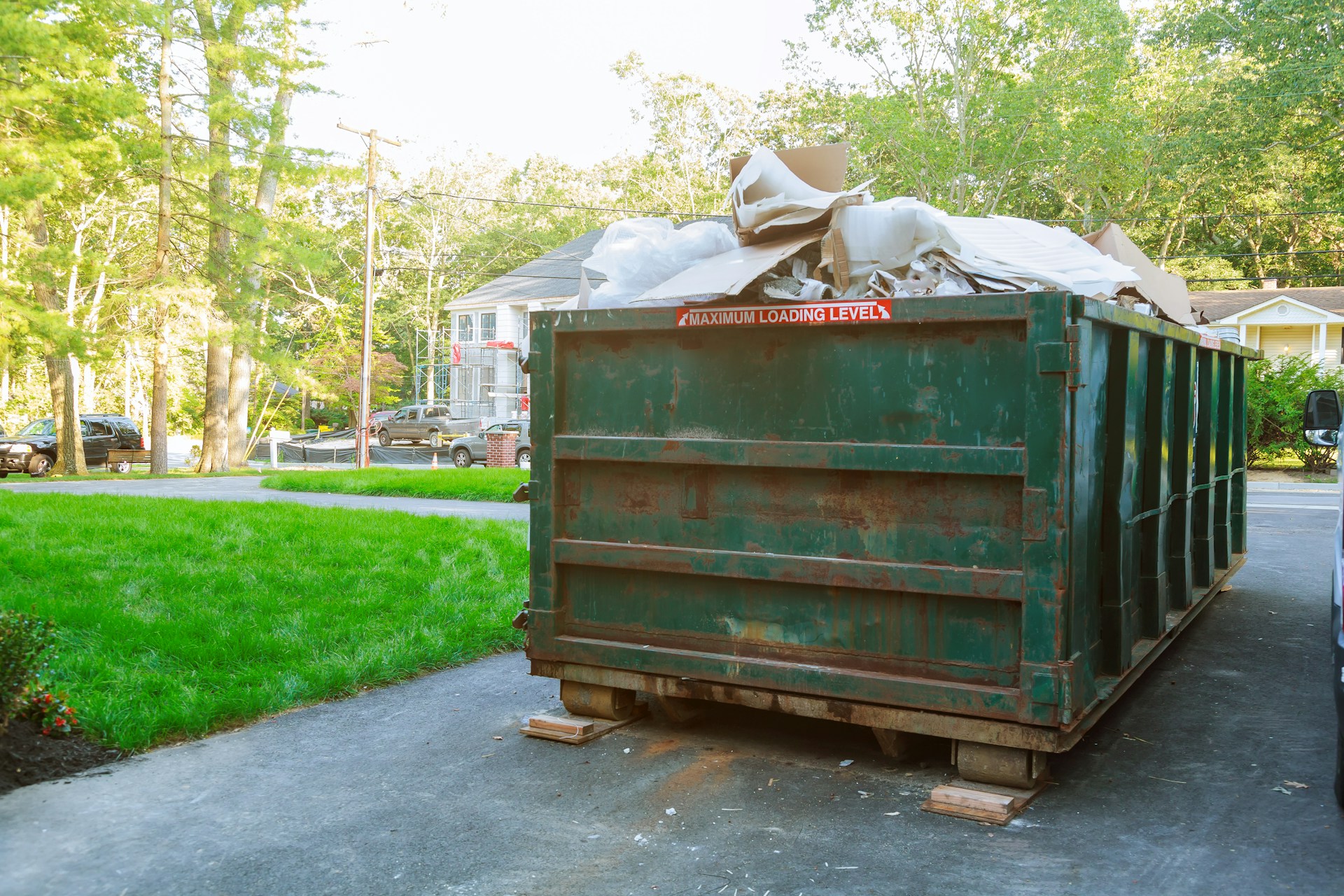
- Try not to fill a dumpster above the marked fill line
- Do not assume “we will just squeeze in the last bit” if you know you have multiple heavy items
- Remember that multiple trips to the dump take more time than choosing a slightly larger size up front
To avoid over-sizing, be honest about how much you truly plan to toss, not how much you wish you would toss. A quick look at each wall, corner, and shelf can keep you realistic.
What You Can Put in a Dumpster During Cleanouts
Most attic and basement cleanouts produce a similar mix of junk that can usually go into a roll-off dumpster, including:
- Old furniture like chairs, tables, and shelves
- Broken household goods and decor
- Toys, clothing, linens, and general clutter
- Non-working small electronics
- Light construction debris from minor demo, such as wood scraps or small amounts of drywall
There are also items that may be restricted or require special handling in New York. These can include:
- Paints, solvents, and certain chemicals
- Some electronics, depending on local rules
- Tires and certain auto parts
- Appliances with refrigerants, like old fridges or freezers
- Any hazardous or unidentified materials
If you are not sure about a specific item, it is always better to ask before tossing it in a dumpster.
Packing your dumpster wisely helps you get the most from your chosen size:
- Break down furniture when possible, remove legs, fold frames, and take apart large pieces
- Flatten cardboard boxes and stack them on the bottom or along one side
- Place large, flat items like doors or panels along the walls of the dumpster
- Distribute heavy items evenly so the load stays balanced and safe
- Keep everything below the fill line so it can be hauled away without issues
Good packing can make a smaller dumpster feel much bigger, which helps keep your project on track and within limits.
Dumpster Rental FAQs for Attic and Basement Projects
What size dumpster do I need?
For an attic-only cleanout with lighter items, a 10-yard or 15-yard dumpster often works. A basement-only cleanout with a lot of books, tools, or dense items may be better served by a 15-yard or 20-yard dumpster to give some extra room for weight. If you are clearing both attic and basement, or handling a whole lower level with storage plus some demo debris, a 20-yard container can give the flexibility you need.
How much does dumpster rental cost?
The cost of a dumpster rental depends on several factors, such as the size you choose, how long you keep it, how much it weighs when loaded, and where you are located within Westchester, Putnam, Dutchess, or nearby counties. Many customers prefer simple, upfront, flat-rate quotes so they understand what is included and can plan their budget around the project.
What can I put in a dumpster?
For attic and basement cleanouts, you can usually load old furniture, general household junk, toys, clothing, broken items, and light construction debris from small projects. Some materials, like certain electronics, paints, solvents, or hazardous items, may not be allowed in a standard dumpster and might need different disposal options. When in doubt, ask about any specific items you are unsure of before loading.
How long can I keep a dumpster?
Typical rental periods are set up to cover most residential cleanouts, giving you enough time to sort, pack, and load without rushing. If you are working on a bigger decluttering project or a contractor-led renovation, there are usually options to extend the rental so you can keep things moving at a comfortable pace.
Do you offer same-day delivery?
Same-day or next-day delivery is often possible, especially when you have a tight timeline, such as a last-minute cleanout before listing a home or starting a renovation. Availability depends on your location and the size you need, so it helps to plan ahead whenever you can, especially during busy times of year when many people are clearing out their homes.
Get Started With Your Project Today
Choosing the right dumpster size is the first step to keeping your job site organized and on schedule. Use our dumpster sizing guide so you only pay for the space you actually need. If you have questions or want a quick recommendation based on your project, contact us and the team at Mr Cheapee Inc will help you line up the right rental.
 Plan Renovation Cleanup Before the First Hammer Swing
 Turn Pre-Listing Panic Into a Fast, Profitable Purge
 Avoid Costly Delays on Dumpster Pickup Day
 Clear Out Clutter Faster with the Right Disposal Choice
 Keep Your Community Clean During Summer Projects
 How to Right-Size a Dumpster for Your Kitchen Remodel
 Protect Your Driveway Before the Dumpster Arrives