Archive for May, 2026

Coordinating Roll-Off Dumpster Swaps on Active Construction Sites

Sunday, May 24th, 2026

Roll-Off Dumpster SwapsKeep Your Jobsite Moving with Smart Dumpster Swaps
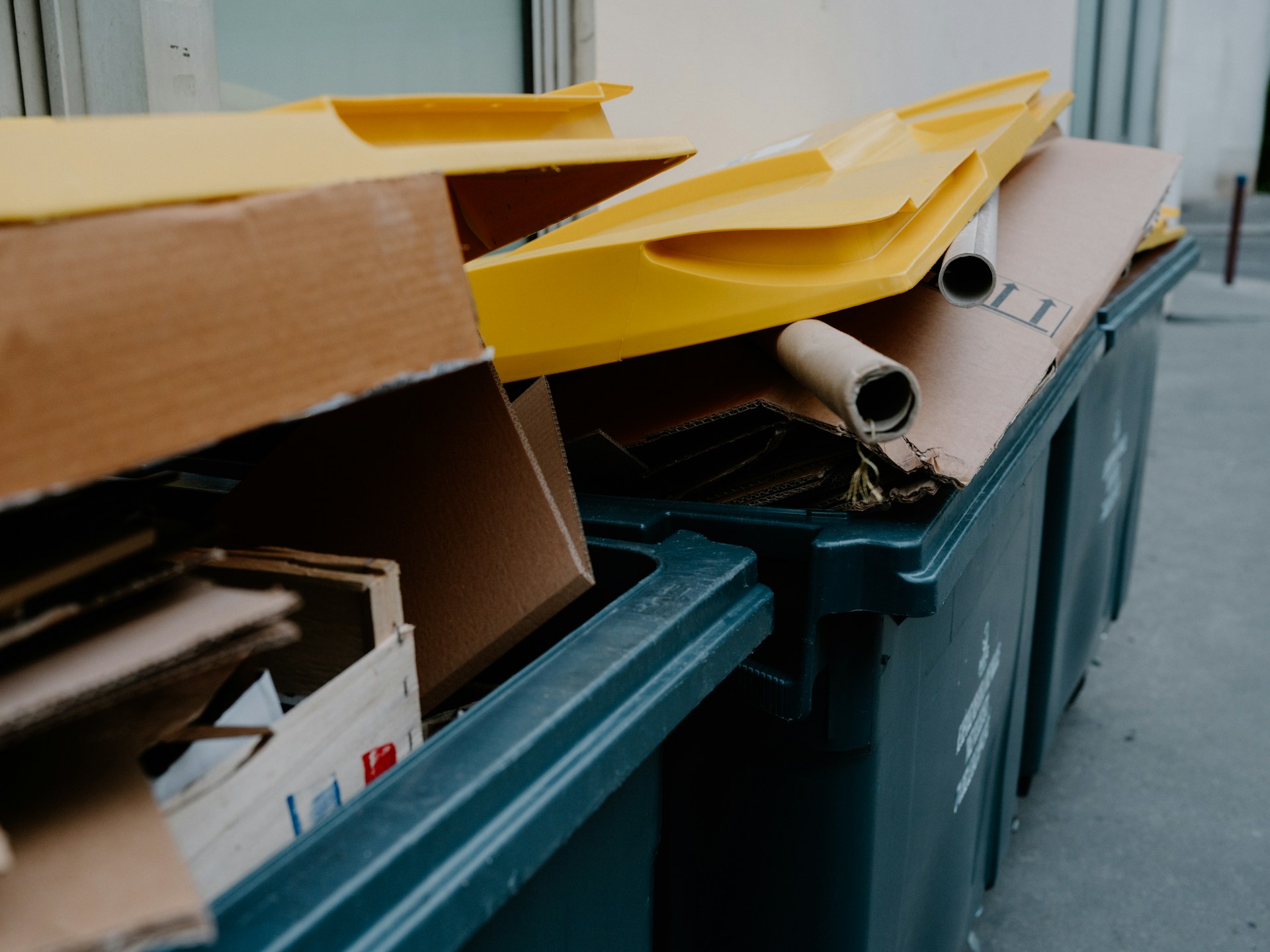
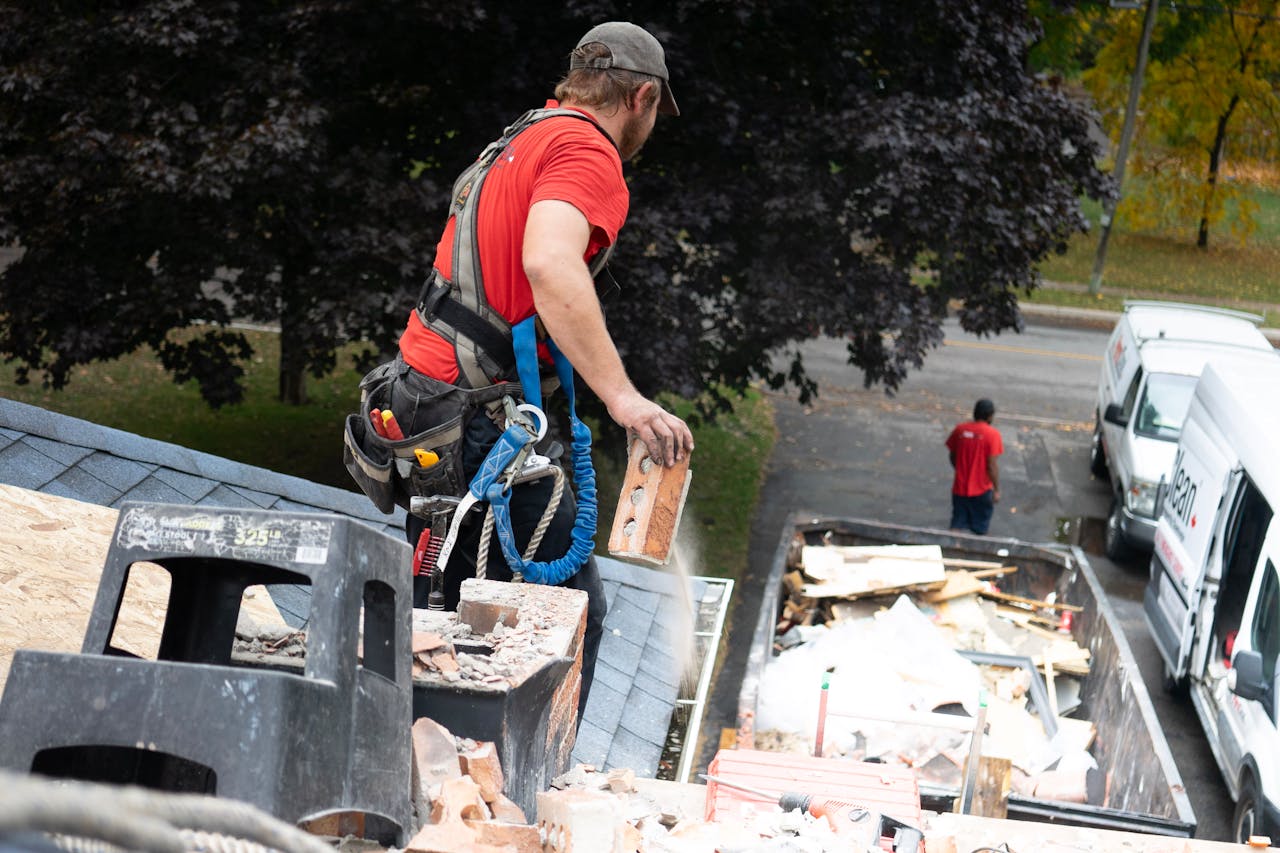
When a roll-off dumpster is full and the swap is late, the whole jobsite feels it. Crews waste time moving debris around, walkways get blocked, and end-of-day cleanup turns into a scramble. Piled-up trash can also raise safety risks and make the site look sloppy in front of clients or inspectors.

Active construction sites need a clear plan for roll-off dumpster swaps so cleanup never slows the work. This matters even more when schedules are tight and several projects overlap. Planning your roll-off dumpster rental schedule should sit right next to inspections, material deliveries, and trade schedules. With some thoughtful prep and a local Hudson Valley provider keeping pace with you, you can keep debris under control and your project flowing.

Map Your Project Phases Around Dumpster Needs

Construction work creates debris in waves, not all at once. If you match dumpster swaps to those waves, you avoid backups and panic calls late in the day.

Common project phases that drive debris include:

  • Demo and tear-outs  
  • Framing and sheathing  
  • Rough-ins for plumbing, electrical, and HVAC  
  • Trim, painting, and finish work  
  • Final punch list and move-out cleaning  

Demo usually needs the most frequent swaps. Framing and rough-ins produce steady but lighter debris like cutoffs and cardboard. Finishes create a mix of packing, small scraps, and flooring pieces. A final cleanup may not need a large container, but it needs a clear, open dumpster at the right time.

Sizing and quantity matter too. A small kitchen or bathroom remodel may get by with one container and one planned swap. A whole-house gut or multi-unit renovation may need:

  • A larger dumpster for demo days  
  • One or two medium containers during the build-back  
  • A smaller container for final cleaning and touchups  

For a small commercial fit-out, debris can spike when old walls and fixtures come out, then again when new millwork and displays are unwrapped. Planning for at least one swap around each big demo or delivery phase helps prevent surprise overflows.

It is smart to build a simple debris forecast into your project schedule. Mark down:

  • When demo starts and ends  
  • When major deliveries arrive  
  • When inspections are planned  

Add a buffer of a day or two around busy periods, especially when disposal sites and haulers are under heavier demand. That way, you are not relying on last-minute luck to get a container swapped.

Coordinate Roll-Off Dumpster Rental Like a Pro

A roll-off dumpster is not just a box on the ground. It is a moving part in your daily workflow. The smoother you fit it into that rhythm, the less time you lose.

Think about your typical site day:

  • When do crews arrive?  
  • When do trades switch out?  
  • When do inspectors usually show up?  

Scheduling swaps for early morning, lunch breaks, or between crew shifts keeps trucks from blocking work. If a driver knows when the gate will be open and the path is clear, they can swap and go with almost no impact on your schedule.

Access is a big piece of this. On tight Hudson Valley lots or busy commercial sites, it helps to:

  • Keep a marked staging area for the container  
  • Avoid placing dumpsters where delivery trucks or parked cars can box them in  
  • Make sure drivers know which entrance to use and where to turn around  

Clear, simple instructions go a long way. A short note on the work order or a posted sign by the entry can save a lot of back-and-forth phone calls.

Communication on your team matters too. Decide:

  • Who is in charge of calling for swaps  
  • How far ahead you want to book them  
  • How you will handle changes from weather delays or change orders  

If one person owns that role, things do not fall through the cracks. When the plan shifts, that person talks to your dumpster provider so the cleanup plan does not get left behind.

Avoid the Most Common Dumpster Swap Mistakes

Many delays come from simple, repeatable mistakes. Avoiding them is one of the easiest ways to keep cleanup on schedule.

Common problems include:

  • Waiting until the dumpster is heaping over the rim to request a swap  
  • Blocking the container with pallets, materials, or parked vehicles  
  • Changing to a different size container in the middle of a project without adjusting the plan  

Overloading the dumpster or mixing in prohibited items can slow things down too. A load that is too heavy, or has the wrong materials, might need to be adjusted before it can be hauled. That can push pickup to the next day and leave debris sitting right when you want it gone.

A few simple habits help prevent this:

  • Daily checks by a designated site lead  
  • Internal fill-level triggers, for example, calling for a swap when the container is three-quarters full  
  • Confirming swap windows during busy late-spring and summer work, when many projects are running at once  

These low-effort steps keep you from ending the day with a full dumpster and no clear plan.

Set Clear Jobsite Rules for Safer, Faster Cleanups

Roll-off dumpster swaps work best when everyone on site handles debris the same way. Clear rules keep the container usable, the site safer, and the workflow smoother.

Written debris-handling rules can cover:

  • What waste goes into the dumpster  
  • Where scrap material should be stacked before loading  
  • Who is responsible for breaking down bulky items and boxes  
  • How to keep the path to the dumpster clear at all times  

Quick signs near the container help remind crews about:

  • Safe loading heights  
  • Weight awareness, like not packing heavy materials too densely  
  • Keeping prohibited items out of the dumpster  

Short huddles at the start of the day work well too, especially when new trades arrive. When everyone knows the plan, you get fewer trip hazards, less clutter, and a more professional-looking jobsite. It also makes it easier for your dumpster provider to back in, swap, and leave quickly.

Plan Your Next Dumpster Schedule with Confidence

Staying ahead of debris is mostly about planning and habits. When you match dumpster swaps to project phases, align delivery times with your daily schedule, and keep access clear, you avoid end-of-day cleanup emergencies. Consistent communication on your crew and with your roll-off dumpster rental provider keeps containers turning over when you need them.

Upcoming projects, especially those starting in late spring and running through the busy warm months, are a perfect chance to review how you handle debris. A quick look at your project scope, timing, and site layout can reveal simple changes that save hours of lost labor and keep your site safer and cleaner.

Dumpster Rental FAQs for Busy Construction Sites

What size dumpster do I need?  

Size depends on your project and your space. A small remodel or light cleanout often works with a smaller container. A full home cleanout, whole-house renovation, or multi-unit job usually calls for a larger size. Light commercial work may sit in the middle. A local provider like Mr. Cheapee Inc can help you match the container size and plan the number of swaps so you are not guessing.

How much does dumpster rental cost?  

Pricing usually depends on:

  • Dumpster size  
  • Rental length  
  • Type of debris  
  • Weight limits  
  • Number of swaps  
  • Jobsite location in the Hudson Valley area  

When you plan swaps in advance and keep materials within the weight and material guidelines, you are less likely to run into extra hauls or adjustments.

What can I put in a dumpster?  

Most construction and renovation debris is fine, such as:

  • Wood, drywall, and flooring  
  • Roofing materials  
  • Household junk and furniture  
  • Some appliances and general renovation waste  

Items like hazardous materials, certain electronics, and liquids often need special handling. It is always best to confirm materials ahead of time so there are no surprises at pickup.

How long can I keep a dumpster?  

Standard rental periods are set to match active jobsites, and longer projects can include extensions or multiple swaps. When you line up rental time with your demo, framing, and finish phases, you cut down on rushed cleanups and last-minute orders.

Do you offer same-day delivery?  

Same-day or next-day service may be available in parts of the Hudson Valley, especially helpful when debris builds faster than expected or the schedule shifts. During the busy warm-weather season, planning ahead is still the smartest way to make sure your roll-off dumpster rental and swaps show up right when you need them.

Make Your Cleanup Easier And Your Project More Efficient

Whether you are tackling a home cleanout, renovation, or construction job, Mr Cheapee Inc can provide the right-sized roll-off dumpster rental to keep your worksite organized and on schedule. Our team will help you choose the best option, arrange convenient delivery, and schedule pickup around your timeline. If you are ready to move forward or have questions about your project, simply contact us and we will get everything set up.

Maximizing Driveway Space with the Right Roll Off Dumpster

Sunday, May 17th, 2026

roll-off dumpster

Maximizing Driveway Space with the Right Roll Off Dumpster

A roll-off dumpster can make a big home project much easier, but it also takes up a lot of room. When it lands right in the middle of your driveway, regular life still has to go on. People still need to park, kids still need a safe path inside, and contractors need space to work.

We want to help you plan so your dumpster works for you, not against you. With the right size, smart placement, and a little prep, your driveway can handle big debris without turning into a big headache.

Make Room to Work: Smart Driveway Planning for Spring Projects

Late spring in New York is a busy time for cleanouts, light remodeling, and yard projects. Many homeowners in Westchester, Putnam, Dutchess, and Rockland counties use the driveway as the main work zone. It is where materials get dropped off, trash gets loaded, and everyone comes and goes.

Driveway space matters because a roll-off dumpster has to share that space with things like:

  • Family cars and visitor parking
  • Access to the garage or side door
  • Room for contractors and deliveries

When you plan ahead, you avoid blocking doors, squeezing cars, or forcing people to walk around piles of debris. The main idea is simple: pick the right size container and the right spot so you can toss out a lot, keep people safe, and still move around like normal.

Choosing the Right Roll Off Dumpster Size for Your Driveway

Before you pick a dumpster size, look closely at your driveway. Length, width, and slope all play a big role. A longer, wider, flatter driveway can fit a larger roll-off dumpster while still leaving parking space. A shorter or steeper driveway usually calls for a smaller container and more careful placement.

Here are simple size ideas many homeowners find helpful:

  • 10-yard or 12-yard: Good for spring garage cleanouts, attic junk, small shed tear-downs, or a few rooms of general clutter.
  • 20-yard: Works better for kitchen or bathroom remodels, flooring jobs, or bigger cleanouts with bulky items.
  • Larger options: Can still fit some driveways if the truck has good access and the container can sit closer to the street end.

When people ask, “What size dumpster do I need?” we think about the type of home and project. For example, many homes in this area have driveways that can fit a 20-yard container and still leave room for one car at the top or in the garage. Smaller suburban driveways may be better suited to a 10-yard or 12-yard unit, especially if the garage needs to stay clear.

If you are torn between two sizes, it often helps to think about bulky items like furniture, cabinets, and old decking. Those pieces fill space quickly. Talking through your project details with a local dumpster provider can keep you from ending up too small or wasting driveway space on something far too big.

Safe, Space-Saving Placement That Protects Your Property

A good driver can make a big difference in how much driveway space you have left. Professional roll-off drivers learn how to back into tight areas and angle the container to leave room for cars and walkways.

Smart placement usually aims to:

  • Keep a clear path to main doors and steps
  • Avoid blocking garage doors you still want to use
  • Stay away from sidewalks, neighbors’ driveways, and low wires

Protecting your driveway is just as important as saving space. Containers are heavy, especially when loaded. Common protection steps include:

  • Laying boards or plywood under the wheels or rails
  • Avoiding delicate pavers or soft edges near grass
  • Using the flattest part of the driveway to reduce shifting

In many New York neighborhoods, there are extra things to check. Some HOAs have rules about where a roll-off dumpster can sit or how long it can stay visible. If the container must sit partly or fully on the street, a permit might be needed from the local town or village, or the local town or village. Narrow suburban driveways may also require special planning so the truck can safely get in and out without clipping trees, fences, or parked cars.

What You Can Load, How Long You Keep It, and What It Costs

People often ask, “What can I put in a dumpster?” For most spring projects, the allowed items are pretty simple. Typical things that go in a roll-off dumpster include:

  • Household junk like boxes, broken furniture, and old toys
  • Renovation debris like drywall, wood, cabinets, and flooring
  • Yard waste like branches, leaves, and small shrubs, if allowed by the provider

Items that usually need to stay out include chemicals, paint, propane tanks, some electronics, and anything that is flammable or hazardous. If you are not sure about a certain item, it is always best to ask before you toss it in.

“How long can I keep a dumpster?” depends on the rental terms you choose. Many projects only need a few days, while others may need longer. It helps to think about:

  • When work will start and when the mess will be at its worst
  • How long you can spare part of your driveway space
  • Whether you want pickup right after the project wraps up

The question “How much does dumpster rental cost?” comes up a lot too. While we will not talk about exact pricing here, the main factors tend to be:

  • Dumpster size
  • Type of material you are loading
  • Weight limits and any extra weight
  • Your location and how many days you keep the container

Filling the container evenly, not over the top, can help avoid extra fees. Planning your driveway so you can load straight into the dumpster, instead of making side piles, saves time and keeps things safer.

Making Same-Day Delivery Work for Busy Spring Schedules

Many people want to know, “Do you offer same-day delivery?” Fast delivery can be very helpful when the weather clears up or when you decide to tackle a big cleanup on short notice before guests arrive.

To make same-day drop-offs go smoothly, it helps to get the driveway ready:

  • Move vehicles out of the way and plan where they will park later
  • Pick up kids’ toys, bikes, and loose items that could be in the truck’s path
  • Trim low branches if they hang over the driveway entrance
  • Decide on the exact spot and talk it through with the driver when they arrive

Good timing keeps stress low. Many homeowners choose delivery and pickup windows that avoid school runs, work commutes, and busy contractor hours. That way, the roll-off truck can get in and out quickly, and you can stay focused on the project instead of playing traffic cop.

Turn Your Driveway Into the Perfect Project Staging Area

With a little planning, your driveway can do double duty as a safe work zone and a convenient parking area. The right roll-off dumpster size, placed in the right spot, lets you toss out junk, renovation debris, and yard waste without blocking your whole life in the process.

Before you order, it helps to take a few simple steps: measure your driveway, think about what kinds of debris you will have, and map out where people and vehicles need to move. When you share those details with a local provider like Mr. Cheapee Inc, we can talk through your driveway layout and project goals and help match you with a container and setup that fit your New York property and your day-to-day routine.

Get Started With Your Project Today

Whether you are planning a cleanout, renovation, or construction job, Mr Cheapee Inc can help you keep everything on schedule and on budget. Reserve the right size roll-off dumpster so your debris is handled quickly and responsibly. If you have questions about sizing, pricing, or scheduling, simply contact us and we will walk you through the options that fit your project best.

Smart Waste Container Rental Planning for Whole-House Cleanouts

Sunday, May 10th, 2026

Dumpster RentalPlan Your Whole-House Cleanout Like a Pro
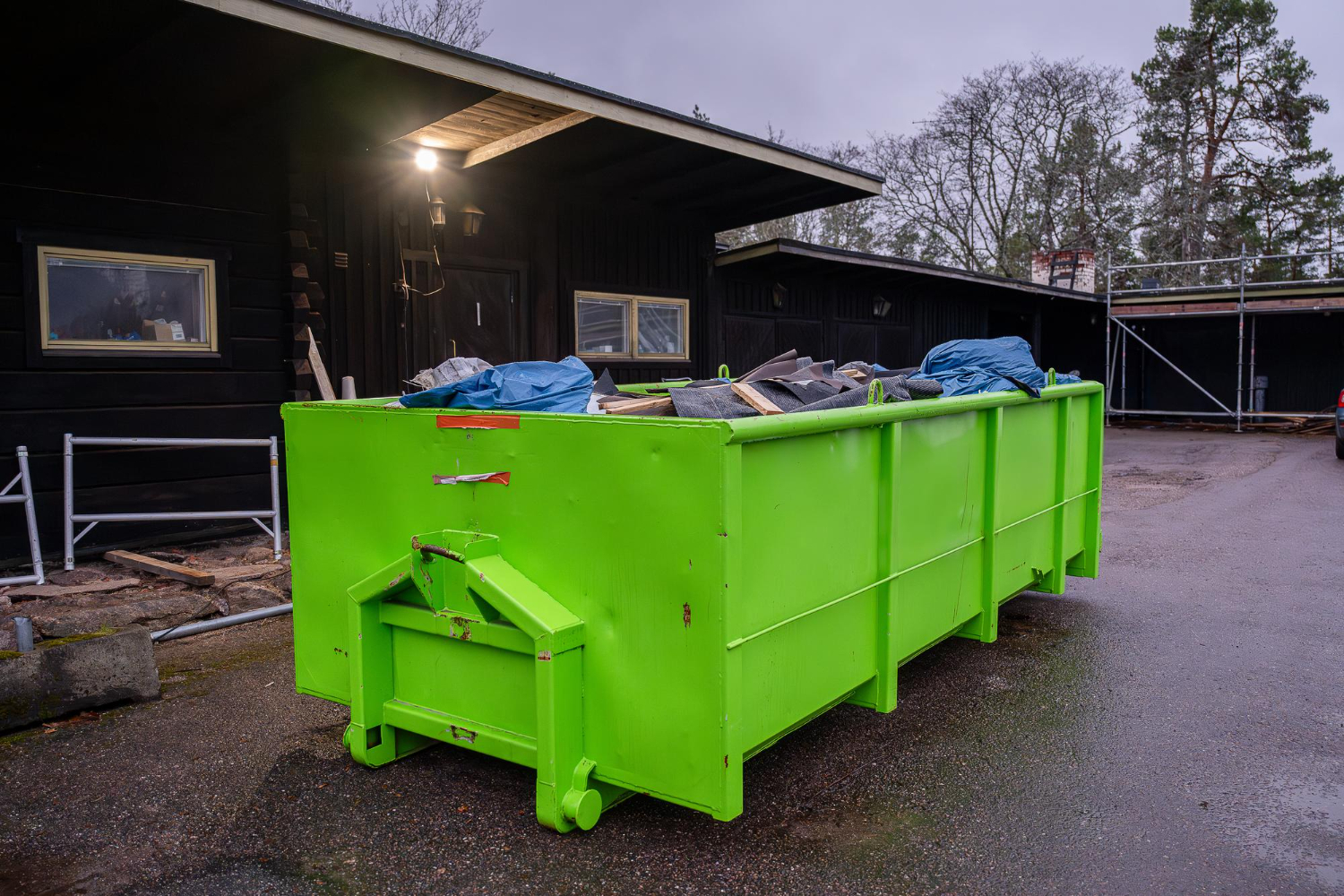
A whole-house cleanout means you are clearing most or all of the rooms at once. That might be downsizing to a smaller place, emptying an estate, doing a big pre-move purge, or clearing out after a renovation. No matter the reason, one thing is the same: you will have a lot of stuff to get rid of. Planning your waste container rental before you start makes the job calmer and faster. When you know what size container you need, when it will arrive, and what can go in it, you avoid surprises and last-minute stress. In the Hudson Valley, spring and early summer often bring yard work on top of indoor clutter, so smart planning matters even more. We want to walk through how to think about the right container, your schedule, your budget, and the rules on materials so your cleanout feels under control from day one.

Choose the Right Container Size for Every Room

The most common question with waste container rental is simple: what size dumpster do I need? The answer depends on how big your home is and how full it is. Here is a basic way to think about it:

  • Small apartments or condos with light furniture and general clutter often work well with a 10-yard container.  
  • Typical single-family homes doing a full cleanout usually fit well with a 20-yard container.  
  • Large homes, hoarder cleanouts, or big bulky items like multiple couches and large dressers often need a 30-yard container or more.  

It helps to picture volume in everyday terms. A 10-yard dumpster is often similar to several pickup-truck loads. A 20-yard can handle a full basement plus a good amount of main-floor clutter. A 30-yard can usually handle several rooms of furniture, boxes, and mixed junk. Think about a few common projects:

  • Full basement plus garage: often a 20-yard, or 30-yard if you have lots of heavy items.  
  • Full-house furniture swap: when you are replacing beds, couches, and tables, a 20- or 30-yard is usually safer.  
  • Pre-listing real estate cleanup: a 10- or 20-yard works if you are mostly tossing smaller items and light furniture.  

If you are on the fence between sizes, it can be helpful to talk it through with a waste container rental pro. A quick call can keep you from paying for space you do not need or having to order a second container halfway through the job.

Map Out Your Cleanout Timeline and Delivery Day

Once you have a size in mind, the next step is planning your timeline. Whole-house cleanouts usually work best with a simple schedule, either over a long weekend or over a full week. A basic plan might look like this:

  • Day 1: Walk the house and decide what stays and what goes. Start sorting and staging in each room.
  • Day 2: Move staged items closer to the door or garage so loading is faster once the container arrives.  
  • Day 3 and 4: Load the container, room by room, starting with the heaviest or bulkiest pieces.  
  • Final day: Do a last sweep for missed items and check that nothing is above the fill line.  

Spring can be a busy time for waste container rental in the Hudson Valley, with many people moving or starting projects. Giving a few days of lead time helps you get the exact drop-off date you want. Most dumpster rentals come with a set rental period. Many people keep a container for several days or more so they do not feel rushed. If you think you will need extra time, ask about options to extend and how that affects the overall cost. Same-day or next-day delivery is sometimes possible, especially on weekdays, but it depends on availability and your location. It is a good idea to treat it as a nice bonus when it works, not something to count on for a tight deadline. Before delivery day, choose the best spot for the container. For most homes, that is the driveway, close to the front or garage door. Check for:

  • Enough length and width for the container and truck.  
  • Overhead clearance, no low wires or branches.  
  • Any HOA or town rules about placement or street access.  

A few minutes of planning here can save you from last-minute reshuffling when the truck arrives.

What You Can and Cannot Put in a Rental Container

Knowing what can and cannot go in your container keeps your project safe and within local rules. Most whole-house cleanouts include a mix of:

  • Household junk like clothing, toys, books, and non-recyclable plastics.  
  • Furniture such as couches, chairs, tables, and mattresses.  
  • Construction debris like wood, drywall, cabinets, flooring, and old doors.  
  • Yard waste from outdoor cleanups, such as branches and brush, if allowed in your area.  

Many appliances can go in, depending on local requirements, but some need special handling. There are also items that are usually restricted in standard dumpster loads. Common examples include:

  • Paint, solvents, and many household chemicals.  
  • Fuel, oil, propane tanks, and other flammable liquids.  
  • Tires and certain electronic items, depending on local rules.  
  • Refrigerators or freezers that still contain Freon.  
  • Hazardous waste of any kind.  

These items need special disposal because they can be unsafe for workers or the environment. For those, look into local hazardous waste collection days, donation centers, scrap metal recyclers, and electronic recycling programs in your area. When loading your container, a few simple habits help:

  • Break down bulky items like furniture and boxes so they take less space.  
  • Put heavier items on the bottom and spread them out for even weight.  
  • Keep everything below the top edge so the load is safe to move.  

This helps you stay within limits and avoid extra fees for unsafe or overloaded containers.

Budgeting Smartly for Your Waste Container Rental

With smart planning, your waste container rental can stay predictable and stress-free. Even though specific prices vary, most rentals in the Hudson Valley follow a simple structure with a base rate that covers a set size, weight limit, and rental period. There can be extra charges if the container is heavier than the included weight or if you keep it longer than planned. You can keep your budget under control by:

  • Picking a size that matches your project so you do not need a second container.  
  • Planning your timeline so you can load everything within the standard rental period.  
  • Paying attention to weight by not mixing huge amounts of heavy material in a small container.  

For a whole-house cleanout, many people find that one larger dumpster works better than multiple small ones. It gives you more room to work and often keeps your project simpler. Clear communication about what is included in your rental, how long you have the container, and what affects the final bill is the best way to keep everything straightforward from the start.

Seasonal Tips for Spring and Summer Cleanouts

Spring and early summer in the Hudson Valley are popular times for moves, college move-outs, and outdoor projects. If you are planning your cleanout during this time, it can help to think about a few seasonal details. Weather can change quickly, so try to:

  • Watch the forecast and plan heavy loading days around steady rain if you can.  
  • Keep items that are waiting to be loaded under cover or on pallets so they do not soak up water.  
  • Make sure outdoor pathways stay clear and dry so people carrying heavy items do not slip.  

It is also smart to combine projects. If you already have a container for your house cleanout, you might:

  • Clear out the shed, porch, or deck at the same time.  
  • Trim overgrown bushes or branches that you have been putting off.  
  • Sort through outdoor toys, planters, and broken tools while you are in cleanup mode.  

Finally, involve the people who live with you. Set simple goals for each day and share which rooms you will tackle first. When everyone knows the plan and the rental window, loading usually goes faster and feels less overwhelming. With some planning around size, schedule, materials, and season, your whole-house cleanout can feel like a clear, step-by-step project instead of a stressful guessing game. Working with a local Hudson Valley company that understands open-top dumpsters, rubbish removal, and demolition can make that plan even smoother from start to finish.

Frequently Asked Questions About Dumpster Rentals

What Size Dumpster Do I Need?

For small apartments or condos with light furniture and general clutter, a 10-yard container often works well. Typical single-family homes doing a full cleanout usually fit well with a 20-yard container. Large homes, hoarder cleanouts, or projects with big bulky items like multiple couches and large dressers often need a 30-yard container or more. If you are unsure, it is usually better to choose the next size up or discuss your project with a rental professional.

How Much Does Dumpster Rental Cost?

Dumpster rental pricing in the Hudson Valley typically includes a base rate for a specific container size, a weight limit, and a standard rental period. Your final cost depends on the size you choose, how long you keep the dumpster, your location, and the weight of your materials. There may be additional fees if you exceed the included weight, keep the dumpster longer than the standard period, or place restricted items in the container. Getting a clear quote that lists what is included helps you understand the full cost upfront.

What Can I Put in a Dumpster?

You can usually place common household junk, furniture, many construction and renovation materials (such as wood, drywall, cabinets, flooring, and doors), and some types of yard waste in a dumpster. Items that are often not allowed include paint, solvents, many household chemicals, fuel, oil, propane tanks, tires, certain electronics, refrigerators or freezers with Freon, and any hazardous waste. Local rules vary, so always confirm with your rental company if you are unsure about a particular item.

How Long Can I Keep a Dumpster?

Most rentals come with a standard rental period that may range from a few days to a week or more, depending on the company and container size. Many whole-house cleanouts are completed within this window. If you need additional time, you can usually extend the rental for a daily or weekly fee. It is helpful to plan your cleanout schedule in advance so you can finish within the included rental period and avoid extra charges.

Do You Offer Same-Day Delivery?

Same-day or next-day delivery is sometimes available, especially on weekdays, but it depends on current demand, your location, and the size of dumpster you need. During busy seasons such as spring and early summer in the Hudson Valley, availability can be limited. It is best to schedule your delivery several days in advance and treat same-day service as a convenient option when it is available, rather than something to rely on for tight deadlines.

Get Started With Your Project Today

Make cleanup the easiest part of your job by choosing Mr Cheapee Inc for reliable waste container rental that fits your schedule and budget. Whether you are tackling a home cleanout, renovation, or construction project, we provide clear pricing and prompt delivery so you can stay on track. If you have questions about sizing or availability, reach out through our contact us page and we will help you choose the right option.

Disaster Cleanup Demolition: When a Dumpster Rental Is Essential

Sunday, May 3rd, 2026

dumpster rentalDisaster Cleanup Demolition: When a Dumpster Rental Is Essential

Disaster damage is stressful, messy, and sometimes dangerous. After a storm, flood, or fire, you are left with broken materials, soaked items, and piles of debris that need to go somewhere fast. Having a clear plan for demolition and debris removal helps protect your property and everyone who steps on it. In the Hudson Valley, we see many different types of damage. Strong storms can send trees into roofs. Heavy rain can flood basements. Fire can weaken walls and leave burned material everywhere. In each case, safe demolition and the right dumpster rental services work together to keep cleanup organized, safe, and moving in the right direction.

Protect Your Property After a Disaster

Across the Hudson Valley, common disasters include heavy rain and flooding along low areas, wind and lightning from strong storms, house fires, and trees or branches falling on roofs, decks, or sheds. These events can leave behind:
  • Loose roofing and broken rafters  
  • Shattered glass and twisted metal  
  • Soggy carpet, drywall, and insulation  
  • Collapsed porches, fences, and outbuildings  
All that debris can be unstable and unsafe. If it is left alone, water-soaked areas can start to grow mold, especially as weather gets warmer and humid. Piles of junk and broken materials can also attract pests and cause more damage to parts of the home that were not hit by the disaster. Fast, organized cleanup helps stop these problems before they spread. When professional demolition is paired with the right size roll-off dumpster, it becomes easier to:
  • Keep dangerous debris contained  
  • Clear walkways and driveways  
  • Remove damaged materials before they cause new issues  
Working with a local team that knows the rules for disposal and hauling in your area keeps the whole process simple and budget-friendly for both homeowners and business owners.

Why Safe Demolition Matters in Disaster Cleanup

After a disaster, many parts of a building can be weakened even if they still look solid. Walls can be bowed or cracked, roof framing can be loose, and decks or stairs can be ready to collapse. Inside, there may be:
  • Sharp nails, screws, and metal edges  
  • Broken glass hidden in wet furniture or boxes  
  • Soaked insulation, drywall, and flooring  
  • Loose wiring or plumbing inside damaged walls  
Trying to tear out damaged areas without a plan, training, or safety gear can lead to injuries and extra damage. DIY demolition might also create problems with local codes if structural parts are removed the wrong way or if debris is dumped in the wrong place. An experienced local demolition crew understands how Hudson Valley homes and commercial buildings are built. They know when a wall might be load-bearing, when an engineer or inspector should look at a structure, and when permits or approvals may be needed. Just as important, they plan debris removal from the start, so materials can go straight into a dumpster instead of piling up around the yard or parking lot.

How Dumpster Rentals Streamline Emergency Cleanup

Roll-off dumpsters play a big role in keeping a disaster site safe and manageable. When a dumpster is set in the right spot, crews can move debris out of the structure and into the container right away. This helps:
  • Keep broken and sharp items in one controlled place  
  • Open up clear paths for workers, adjusters, and delivery trucks  
  • Prevent piles of debris from blocking driveways or street access  
Matching demolition work with the right dumpster rental services keeps the cleanup process moving. Crews can gut damaged rooms, strip roofing, or remove collapsed sheds and load everything as they work. That cuts down on back-and-forth trips and helps projects finish faster, especially during busy spring and summer storm seasons. Many types of disaster debris can go into a dumpster, such as:
  • Wood, drywall, and framing  
  • Roofing shingles and siding  
  • Flooring, cabinets, and damaged furniture  
  • Yard waste like branches and small tree sections  
Some items often need special handling, including appliances, electronics, paints, chemicals, fuel, and certain liquids. These should be discussed ahead of time so they can be handled in a safe and legal way.

Choosing the Right Dumpster for Storm or Fire Damage

Not all disaster debris weighs the same. Fire or structural collapse often leaves heavy materials like bricks, roofing, and framing. Storm and flood cleanup might involve lighter but bulkier waste, like drywall, insulation, flooring, furniture, and personal belongings. When picking a dumpster size, think about both weight and volume. Here are some general ideas many property owners use:
  • Whole-house gut jobs after major water or smoke damage often need a large container or more than one dumpster  
  • Partial room demolition, such as a kitchen or bathroom, may work with a medium-size dumpster  
  • Roof tear-offs usually depend on how many layers of shingles and how large the roof is  
  • Exterior cleanup with fallen trees, fencing, sheds, or small outbuildings can vary widely based on how much wood and yard waste there is  
A local company that works in the Hudson Valley on a regular basis can guide you based on common types of damage in the area. They can recommend a size, place the dumpster where it will not block key access points, and plan delivery and pickup around insurance adjuster visits and contractor schedules.

Disaster Cleanup Dumpster FAQs for Hudson Valley Jobs

What size dumpster do I need?  

Size depends on the type of project:
  • Basement flood cleanup may need a medium dumpster for flooring, drywall, and stored items  
  • Kitchen or bath tear-outs often fit into a small to medium container  
  • Roof damage cleanup size depends on the roof area and materials  
  • Storm-damaged sheds, decks, or garages may require a larger size due to framing and roofing  
It helps to ask about common sizes used for similar local disaster situations so you are less likely to need multiple hauls.

How much does dumpster rental cost?  

Pricing usually depends on dumpster size, type of debris, rental length, and local disposal fees. Clear, upfront quotes make it easier to work with insurance budgets and avoid surprises while you are already dealing with a stressful event.

What can I put in a dumpster?  

Typical items from disaster cleanup include:
  • Construction debris like wood, drywall, and roofing  
  • Flooring, cabinets, and doors  
  • Furniture and non-hazardous household items  
  • Siding and non-contaminated yard waste  
Items such as chemicals, paints, fuel, and some electronics may be restricted. It is always best to go over these details before the dumpster is delivered.

How long can I keep a dumpster?  

Rental periods vary, but most jobs allow enough time for demolition and cleanup. If restoration or rebuilding takes longer than expected, extensions are often available. Flexible timelines are very helpful when several contractors are involved or when the weather slows down the work.

Do you offer same-day delivery?  

For many disaster situations, rapid response is very important. Local providers often do their best to offer same-day or next-day delivery when containers and schedules allow, especially during heavy storm seasons.

Take Control of Disaster Recovery with Local Support

Quick, well-planned demolition and the right dumpster rental can shorten recovery time and help you feel more in control after a disaster. Removing unsafe, damaged materials clears the way for repairs, keeps people safer on site, and cuts down on extra damage from mold, pests, or ongoing leaks. As a locally owned company serving the Hudson Valley area, we understand the weather patterns, disposal sites, and typical building styles in our region. At Mr. Cheapee Inc., we provide roll-off dumpster rentals, rubbish removal, and demolition services that work together to support safe, organized disaster cleanup for both homes and businesses.

Get Started With Your Project Today

If you are ready to clean out your space, tackle a renovation, or manage a construction job, Mr Cheapee Inc can provide the right container size and schedule for your needs through our dumpster rental services. We help you plan the drop-off, pickup, and placement so your project stays organized and on track. Have questions or need a custom recommendation before you book? Just contact us and we will walk you through your options.