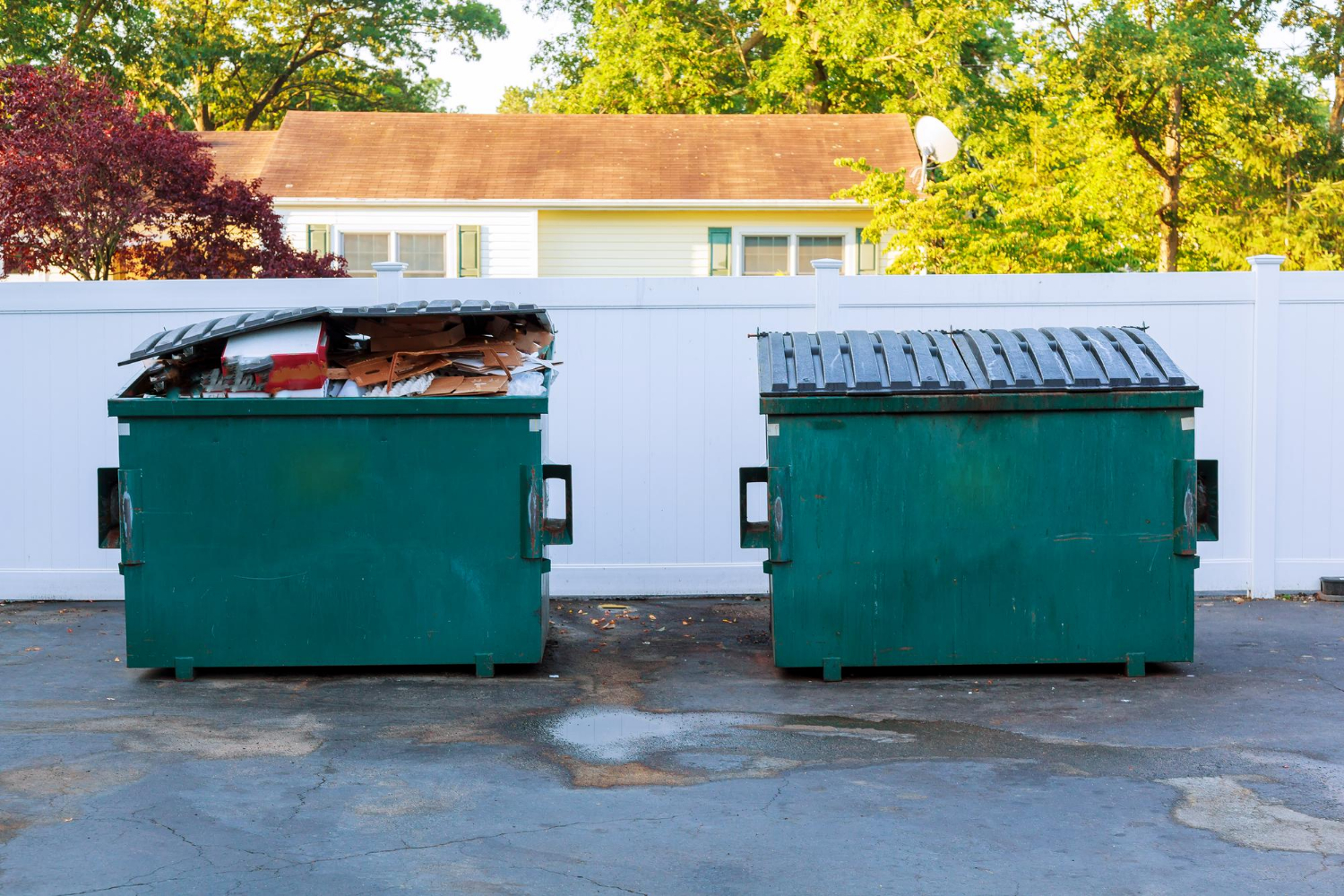
Renting a roll-off dumpster is one of the simplest ways to handle a big mess. Instead of making trip after trip to the dump, you load everything into one container and let a professional team haul it away. For home cleanouts, small renovation work, or yard projects, it keeps your property cleaner and your job moving faster.A roll-off dumpster is a large, open-top container that arrives on a special truck. The driver rolls it off the back of the truck into place, then comes back to pick it up once you are done. When you understand the basics of delivery, placement, loading, and pickup, the entire process feels straightforward and low stress.Around spring, many Hudson Valley homeowners and business owners start tackling projects that got delayed over the winter. Old furniture, broken branches, and scraps from repairs can add up quickly. A roll-off dumpster rental keeps all that debris in one safe spot so you can focus on the work instead of the mess.
How Roll-Off Dumpster Rental Works Step by Step
If this is your first roll-off dumpster rental, it helps to know what will happen from start to finish. The process usually follows a simple path:
You request a quote and share a few details about your project
You choose a dumpster size with help from the rental company
You schedule a delivery day and general time window
You fill the container during your rental period
The company returns to pick up the full dumpster
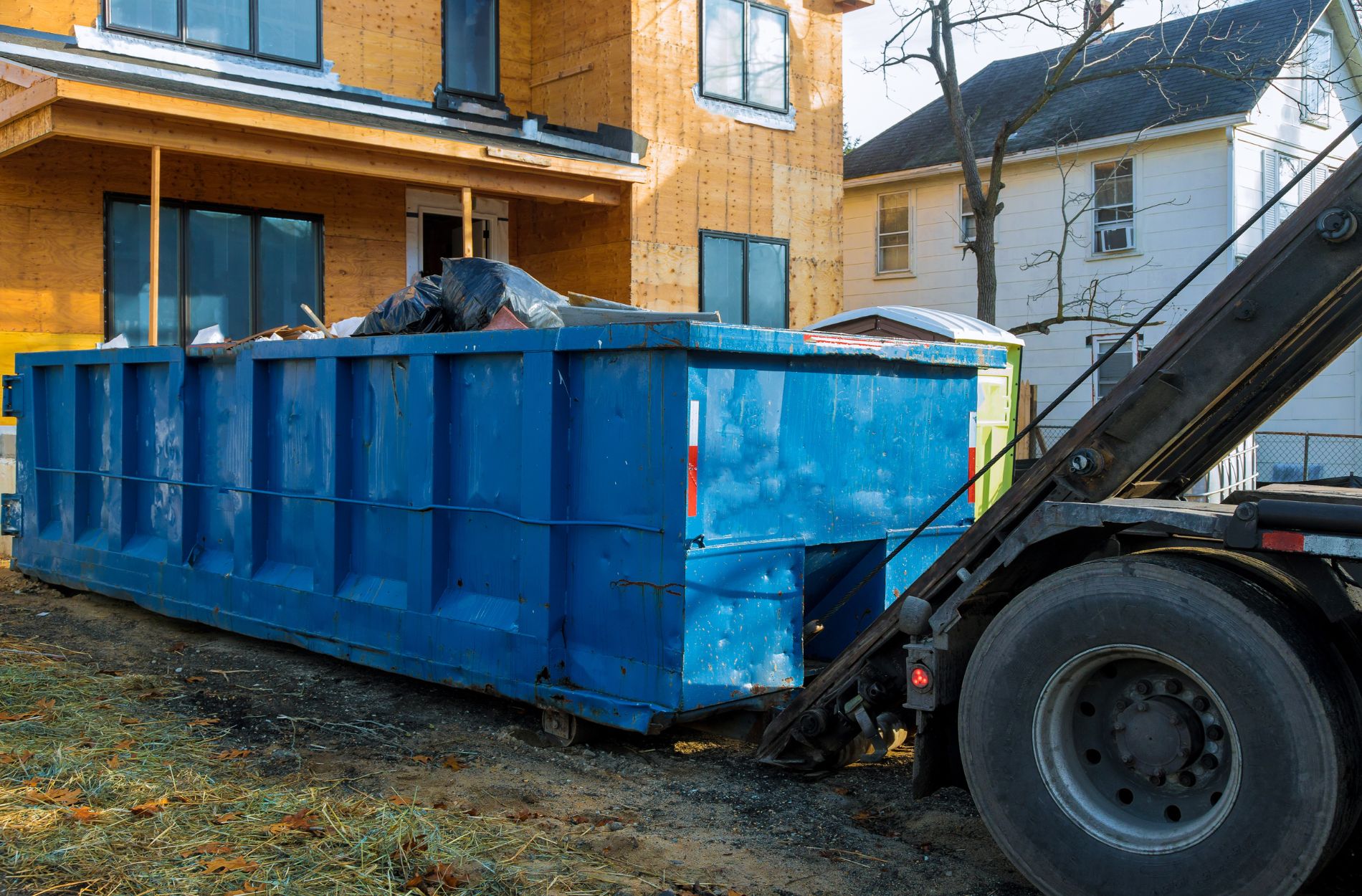
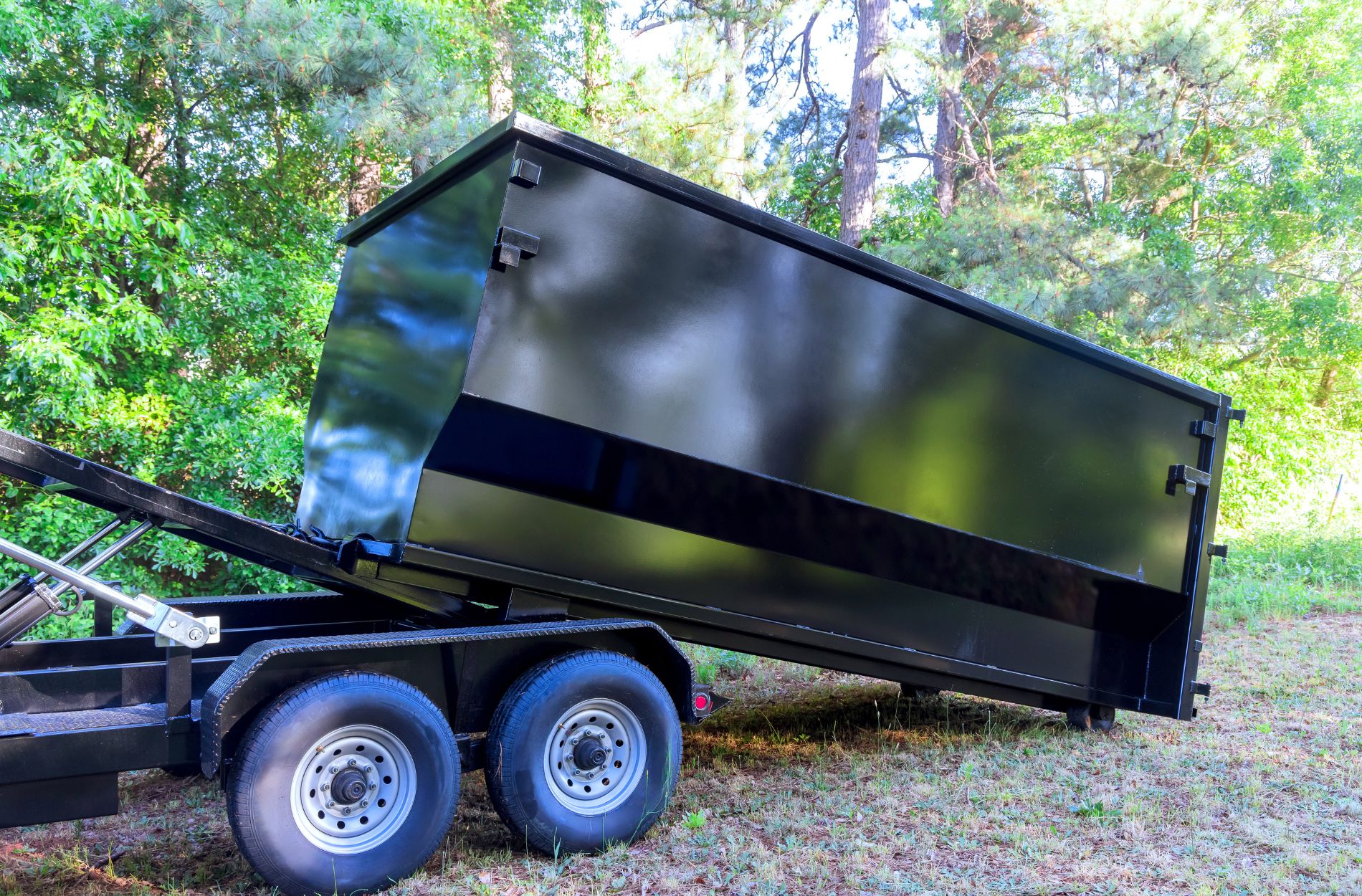
On delivery day, a truck arrives and backs into the spot you agreed on ahead of time. The driver tilts the bed and gently rolls the dumpster off onto the ground. Common placement spots include a driveway, a designated area on a job site, or a corner of a commercial lot with enough space for the truck to maneuver.Before delivery, you should:
Clear cars, trailers, or equipment from the drop-off area
Make sure low branches or wires will not block the truck
Decide which direction you want the door of the dumpster to face
After you are done loading, make sure the path to the container is open for pickup. The driver needs room to back up and load the dumpster back onto the truck. If you realize you will not finish in time, contact the company as early as possible to ask about extending your rental so you are not rushed on your project.
Choosing the Right Dumpster Size with Confidence
One of the most common questions is what size dumpster do I need? The answer depends on the type of project, how much clutter you have, and what kind of debris you are tossing.Here is a simple way to think about it:
Smaller dumpsters: Good for attic, closet, or garage cleanouts and small yard projects
Mid-size dumpsters: Better for kitchen or bathroom remodels and larger room cleanouts
Larger dumpsters: Best for full home cleanouts, office cleanups, or light demolition work
To estimate how much space you will need, think about:
How many rooms you are clearing and how packed they are
Whether you are tossing mainly bags and boxes or bulky items like sofas and mattresses
If your project includes construction materials such as drywall, wood, and flooring
Whether yard waste like branches, shrubs, or soil will be part of the load
Bulky items and construction debris take up space faster than you might expect. Many people prefer to go a size up so they do not run out of room near the end of their project. Local pros who work in the Hudson Valley every day, like our team at Mr Cheapee Inc, can listen to your plans and recommend a size that fits your project without paying for more than you really need.
What You Can and Cannot Put in a Dumpster
Another big question with roll-off dumpster rental is, what can I put in a dumpster? While exact rules depend on local disposal sites and regulations, many everyday items are typically allowed.You can usually place:
General household junk and clutter
Furniture such as chairs, tables, and couches
Non-hazardous construction debris like drywall, lumber, and flooring
Yard waste like branches, leaves, and small shrubs
Scrap from light demolition projects
Some items are restricted or need special handling. These often include:
Paints, solvents, and other chemicals
Propane tanks and fuel containers
Tires and large electronics
Appliances that contain refrigerants
Certain heavy materials, such as large amounts of concrete or dirt, depending on rules
Because disposal rules can change from town to town in the Hudson Valley area, it is always smart to ask before you toss anything you are unsure about. A quick check ahead of time helps you avoid problems at pickup and keeps your project safe and compliant with local guidelines.
Understanding Cost, Timing, and Same-Day Options
When people plan their first rental, they often ask, how much does dumpster rental cost, and how long can I keep a dumpster? Pricing is shaped by several factors, including:
Dumpster size
How long you keep the container
Type of debris you are loading
Approximate weight of the load
Your location and any extra services you may need
Rental periods vary, but you usually have the dumpster for several days at minimum. Planning your project timeline before delivery helps you load steadily and avoid needing extra time. If your project runs longer than expected, you can usually request an extension, which may adjust the final cost.As for timing, many people also want to know do you offer same-day delivery? In some cases, same-day service is possible, especially if you call early and trucks are available. Same-day delivery can be very helpful for:
Storm damage cleanups
Time-sensitive property cleanouts
Last-minute renovation or repair work
Situations where clutter must be cleared quickly
Because availability can change during busy seasons like spring and early summer, it is best to plan ahead when you can. That way, you can secure the delivery day that works best for your schedule.
Get Your Hudson Valley Project Rolling Today
A roll-off dumpster rental is one of the easiest ways to keep a project under control, from the first bag of trash to the last broken board. When you understand the basic steps, it feels less like a big unknown and more like a simple part of planning your work.By choosing the right size, knowing what can safely go in, and preparing for delivery and pickup, you can keep your driveway, home, or job site clear and safe while you work. Our team at Mr Cheapee Inc is here in the Hudson Valley region to help match your project to the right dumpster and timing so your cleanup goes smoothly from start to finish.
Get Started With Your Project Today
Tackle your cleanup or construction work efficiently by scheduling a reliable roll-off dumpster rental with Mr Cheapee Inc. We will help you choose the right size, set up a convenient delivery window, and make disposal straightforward from start to finish. If you have questions about pricing, availability, or what you can load, simply contact us and our team will walk you through your options.
TL;DR: Choose a dumpster size by matching project type to capacity. A 10 yard holds about 4 pickup truck loads and fits bathroom remodels or small cleanouts. A 15 yard suits single-room renovations and garage cleanouts. A 20 yard handles full kitchen remodels or basement gut jobs. A 30 yard is for whole-house cleanouts, new construction, and major demolitions. Below is the quick match-up plus what each size physically looks like on your driveway.
What Size Dumpster Do I Need for My Project?
Picking the right dumpster size saves you money two ways: you avoid overage fees for exceeding the included tonnage, and you avoid renting a second dumpster mid-project. This guide matches every common Westchester, Putnam, and Dutchess County project type to the right size, with the real-world dimensions and weight limits that matter.
The Quick Match-Up
Size
Holds
Best For
Footprint
10 Cubic Yard
~4 pickup loads, ~3 tons
Bathroom remodel, small cleanout, yard debris, 1 room renovation
12′ long x 8′ wide x 4′ tall
15 Cubic Yard
~6 pickup loads, ~4 tons
Single-room renovation, garage cleanout, small roofing job
Whole-house cleanout, new construction, major renovation, demo
22′ long x 8′ wide x 6′ tall
All sizes are open-top roll-off dumpsters. The footprints above include the steel frame; plan for an extra 2 to 3 feet on each side for the delivery truck to set and pick up.
Match Your Project to a Size
10 Cubic Yard
This is our most-rented size for smaller residential projects. It handles one room’s worth of debris cleanly. Common uses:
Bathroom remodel (tile, tub, vanity)
Small deck tear-off
Garage cleanup (not full gut)
Spring yard cleanup and landscaping debris
One-room carpet and flooring removal
Minor concrete jobs (small patio, walkway)
15 Cubic Yard
Middle-size option. Bigger than the 10 yard but still fits in a standard residential driveway. Common uses:
Single-room major renovation (kitchen with no cabinet removal, bathroom gut)
Complete garage cleanout
Small roofing tear-off (1 to 2 squares)
Yard clear and tree removal debris
Furniture and appliance cleanout for a move
20 Cubic Yard
The workhorse for bigger residential jobs and small commercial projects. Common uses:
Full kitchen remodel (cabinets, flooring, appliances)
Basement or attic gut job
Medium roofing tear-off (2 to 4 squares)
Pool deck demolition
Fire or water damage cleanup for 1 to 2 rooms
Small commercial tenant turnover
30 Cubic Yard
The biggest we deliver. Fits larger residential driveways and contractor job sites. Common uses:
Whole-house estate cleanout
New construction (residential or light commercial)
Multi-room renovation or whole-floor remodel
Full roof tear-off (residential)
Light demolition debris
Fire or flood damage whole-home cleanup
Watch the Weight Limit, Not Just the Volume
Every dumpster comes with an included tonnage. For example, a 20 yard usually includes 5 tons (10,000 lbs) of debris. Heavy materials (concrete, dirt, roofing, tile) reach that limit way before you fill the box visually. If you are doing a heavy-material job, size DOWN on volume and focus on weight:
Concrete removal (patio, driveway, foundation): 10 yard usually maxes out on weight before looking full
Roofing tear-off: go by square count (each square of asphalt is ~250 to 400 lbs)
Soil and dirt: heaviest per volume; a full 10 yard of dirt can hit 7 tons
Ask us about heavy-material rates before you rent. We often deliver smaller dumpsters for dense loads and do multiple pickups instead of one over-weight pickup.
Can My Driveway Actually Fit It?
Rough driveway requirements:
10 yard: 14′ long clear space + 3′ side clearance
15 yard: 16′ long + 3′ side
20 yard: 25′ long + 3′ side (truck swing space matters)
30 yard: 25′ long + 4′ side + at least 10′ overhead for the truck to lift
Tight driveways with low-hanging branches, overhead wires, or tight gates may force you to the next size down or to street placement (which needs a permit in most of our service area; see our FAQ for the permit breakdown).
Common Mistakes to Avoid
Ordering one size too small “to save money”: you will end up renting a second dumpster or paying overage fees. Both cost more than just going one size up.
Ignoring the weight limit on heavy jobs: overage charges on a weight-maxed dumpster can double your total bill. Concrete and roofing jobs especially.
Forgetting the driveway measurement: we have had to deliver street-side (with permit delays) because the customer’s gate was 6″ too narrow for our truck.
Not asking about prohibited items: no appliances with Freon, no tires, no liquid paint, no hazardous waste. See our FAQ for the full list.
Frequently Asked Questions
How long can I keep the dumpster?
Standard rental is 7 days. Extensions are available and typically run $15 to $30 per additional week depending on size.
What happens if I go over the weight limit?
Overage is charged by the ton at the tipping fee rate, usually $65 to $100 per ton over. We weigh dumpsters at our disposal facility, so you get a straightforward per-ton rate, not a flat penalty.
Can I mix yard waste and construction debris?
Yes for residential rentals. Mixed debris is our most common load type. The exceptions: concrete and clean dirt should be their own loads because disposal facilities rate them differently. Ask when booking.
Do you offer same-day delivery?
Usually yes if you book by noon. Saturday deliveries fill up first; call early if you need a weekend drop.
What sizes do contractors usually pick?
Our contractor customers mostly run 20 yards (single-house renovation) and 30 yards (new builds, major demo). 10 and 15 yards are more residential-customer favorites.
TL;DR: Most Westchester, Putnam, and Dutchess County towns require a permit for a dumpster placed on a public road or right-of-way, but not for dumpsters on your own driveway. Permit fees run $25 to $100 depending on the town, and most approvals take 2 to 5 business days. Below is the rule-of-thumb for each type of placement plus the specific requirements for the biggest towns in each county.
Do I Need a Permit for a Dumpster in Westchester, Putnam, or Dutchess County?
If you are renting a dumpster for a renovation, cleanout, or cleanup project, the permit question depends on exactly where the dumpster will sit. Every town handles this differently, and some big NYC-adjacent towns (Yonkers, Mount Vernon, White Plains) are strict. This guide walks through the two main scenarios and what the biggest towns across our three-county service area require.
Driveway Placement: Usually No Permit
If your dumpster fits entirely on your driveway or private property, you typically do not need a permit from the town. The main exceptions:
HOA-governed communities: planned developments often have their own architectural review rules for temporary containers. Check your HOA docs before ordering.
Historic districts: a few towns (Rhinebeck, parts of Yonkers, White Plains downtown) extend their aesthetic rules to private property inside a historic overlay. Call the town before you rent.
Condo complexes: your property manager usually needs to sign off on delivery to the common driveway.
Street / Right-of-Way Placement: Permit Almost Always Required
Putting the dumpster on a public street, a sidewalk, a parking lane, or any town right-of-way triggers a permit requirement in essentially every Westchester, Putnam, and Dutchess municipality. The permit typically requires:
Your contractor or hauler name (that is us) and proof of insurance
Start date, end date, and the specific street address
A fee, usually $25 to $100 depending on town
Reflective markers or cones around the dumpster at night (some towns)
A town inspection either before delivery or after placement (some towns)
Processing time is typically 2 to 5 business days. Some towns offer same-day approvals for a higher fee.
Westchester County Towns
Yonkers: Building Department issues street-placement permits. Enforcement is active on main streets; driveway placement on private property is unrestricted.
White Plains: Permit required through the Parking/Traffic Department for any street placement. Downtown business-district placement has additional restrictions during daytime.
New Rochelle: Department of Public Works handles street dumpster permits. Downtown and commercial district rules are stricter than residential.
Mount Vernon: Permit required for almost all placements because of dense residential and narrow streets. Driveway placement (where feasible) is the cheaper option.
Scarsdale, Rye, Bronxville, Eastchester: Residential towns, permit-required on public roads, driveway placement typical on private lots.
Yorktown Heights, Peekskill, Ossining: Northern Westchester, larger lots, driveway placement standard. Permits on public roads issued by town Building Department.
Putnam County Towns
Mahopac, Carmel, Brewster: Town of Carmel permit office. Driveway placement typical and permit-free on private property.
Cold Spring, Garrison: Historic Hudson River villages, strict on public-road placement, driveway preferred.
Patterson, Putnam Valley: Rural, larger lots, usually no permit needed for driveway work.
Dutchess County Towns
Poughkeepsie (city): City permit required for street placement. Downtown and waterfront areas have more scrutiny.
Fishkill, Wappingers Falls, Hopewell Junction: Southern Dutchess, town-level permits for street placement, driveway usually unrestricted.
Hyde Park, Rhinebeck, Red Hook: Historic Hudson Valley, permits required for public placement, strict review inside historic districts.
Beacon: City permit required for street placement. Historic district and riverfront have additional rules.
Pawling, Dover Plains, Millbrook: Rural, permits rare for driveway placement.
How Much Do Permit Fees Cost?
Rough 2026 ranges across our service area:
Residential towns: $25 to $50 for 7-day street placement
Cities (Yonkers, White Plains, Mount Vernon, Poughkeepsie): $50 to $100 for 7 days
Historic districts: add $25 to $50 for review
Extension fees: $15 to $30 per additional week in most towns
These are town fees and do not include our rental rate. The permit is a pass-through charge on your final invoice if we pull it for you.
Can Mr. Cheapee Pull the Permit for Me?
Yes, for most towns we can pull the street-placement permit on your behalf. You share the project address and timeline; we submit the paperwork, pay the fee (billed back to you at cost), and handle the town inspection if required. Ask when you book your dumpster.
Frequently Asked Questions
What happens if I skip the permit?
Most towns issue a warning first, but some (Yonkers, White Plains, Mount Vernon) go straight to a fine. Fines run $100 to $500 and the dumpster may be towed. The permit fee is always cheaper than the risk.
How long does the permit process take?
Most Westchester and Dutchess towns approve in 2 to 5 business days. Yonkers and Poughkeepsie can take 5 to 7 days when their queues back up. Smaller Putnam towns are often 1 to 2 business days.
Can I extend a permit if my project runs long?
Yes, most towns allow extensions. Extensions typically cost $15 to $30 per additional week and need to be requested before the current permit expires. We can handle the extension on your behalf.
What about co-op buildings or condos?
In addition to any town permit, you typically need building management approval. Managed properties often have their own delivery rules (loading dock only, specific hours, insurance certificates). Ask your management office for the specifics.
Do I need a permit for a small 10 yard dumpster?
Size does not change the permit requirement. What matters is where the dumpster sits. A 10 yard dumpster on your driveway is permit-free; a 10 yard on the street requires the same permit as a 30 yard.
A big home cleanout can feel like a lot. Closets are overflowing, the garage is packed, and the attic is stacked with boxes you have not opened in years. When you are clearing out that much stuff, the trash bags and curbside pickup just cannot keep up.Choosing the right dumpster size makes a huge difference. It keeps the project organized, helps you stay on schedule, and keeps you from paying for more capacity than you actually need. For many Hudson Valley homeowners, a container in the 20-yard range hits that sweet spot, especially for large cleanouts that still need something that fits a normal driveway.In this article, we will walk through what this size really holds, the clear signs your project calls for one, how to match size and budget, and simple planning tips so cleanout day goes smoothly from start to finish.
How Big Is a 20-Yard Dumpster Really?
A 20-yard dumpster is one of the most popular sizes for home projects. The “20-yard” part refers to volume, not length. In simple terms, it usually looks like this:
Length: about a midsize parked car
Height: about waist to chest high on an adult
Capacity: about 6 to 8 pickup truck loads of debris
That is a lot of junk in one container, without being so tall that it is hard to toss items over the side.Here is how it compares to other common sizes:
10-yard dumpster: Good for small cleanouts, like a single room or a light bathroom remodel. It fills up fast if you have furniture or bulky trash.
20-yard dumpster: Great for whole-house cleanouts in smaller homes, multi-room projects, or garage and attic clearouts.
30-yard dumpster: Better for very large cleanouts, big remodeling jobs, or when you know you are taking out a lot of construction debris.
Around the Hudson Valley, this mid-size option is often a strong fit for:
Whole-house cleanouts in small to mid-sized homes
Multi-room decluttering projects
Garage, attic, or basement cleanouts with years of stored items
Pre-move cleanouts when you do not want to bring old clutter to the new place
It gives you room to work without overwhelming your property or blocking the whole driveway.
Clear Signs Your Cleanout Needs a 20-Yard Dumpster
Sometimes it is obvious a small bin will not cut it, but it helps to know the signs before you start.One big sign is the number of spaces you are clearing. If you are tackling a basement, an attic, and one or two bedrooms or living areas all at once, you are likely past the point of bagged trash or a single pickup truck load. That kind of project usually creates more debris than people expect.Another sign is the kind of items you are getting rid of. A 20-yard container is usually a better choice if your junk pile includes:
Couches, chairs, and other bulky furniture
Mattresses and box springs
Broken appliances or old equipment
Carpeting, padding, and old flooring
Debris from light remodeling or repairs
These do not pack down well in bags, and they take up a lot of space in a truck bed. One container of this size makes it much easier to toss everything in one spot.A third sign is that you want a one-and-done solution. If you would rather not spend your weekend making back-and-forth trips to the dump, renting a dumpster lets you bring the trash to the driveway instead of the other way around. You save time, gas, and wear on your vehicle, and you are not stuck trying to squeeze one more chair into an already full pickup bed.
Matching Dumpster Size to Your Project and Budget
Many people start with a simple question: What size dumpster do I need? A few general rules can help:
Studio or one-bedroom cleanouts with no big furniture sometimes work with a 10-yard dumpster.
Multi-bedroom homes, or any project with several rooms, usually fit better with a 20-yard dumpster.
If you are cleaning out the entire house plus doing heavy demolition, you might need to talk through whether a larger size makes sense.
Since every home is different, it helps to describe what you are cleaning out and how much furniture, junk, or construction debris you expect. That way you can get a size recommendation that fits what you actually plan to toss.Another common question is how much dumpster rental costs. The price usually depends on:
Dumpster size
Type and weight of debris
How long you keep the container
Local disposal and dumping fees
Clear, upfront pricing helps you plan your project costs without surprises, and knowing the main factors lets you pick a size that makes sense for your budget and your clutter.Homeowners also ask what they can put in a dumpster. In most residential cleanouts, common allowed items include:
Household junk, toys, decor, and clothing
Furniture like sofas, tables, and dressers
Non-hazardous construction and remodeling debris
Items that often need special handling include chemicals, paints, oils, some electronics, and certain hazardous materials. When in doubt, it is always smart to ask before tossing.
Planning Your Rental so Cleanout Day Runs Smoothly
Good planning keeps your cleanout steady and low-stress. One of the first things to think about is how long you can keep a dumpster. Rental periods can vary, but many home cleanouts only need a few days if you plan ahead. To estimate your timeline, think about:
How many rooms you are clearing
Whether you are working alone or with help
If you will be sorting as you go or tossing quickly
It is often better to give yourself a little extra time rather than rushing at the last minute.Next, think about where the 20-yard dumpster will sit. You want a flat, stable area, usually the driveway, where the truck can safely back in and set the container down. Before delivery, it helps to:
Move vehicles out of the way
Trim any low branches that might block access
Consider placing plywood or boards on delicate surfaces for protection
Many homeowners also like to know if same-day delivery is available. During busy times like spring cleaning season, same-day or next-day service is often possible, but booking early is always a smart move. That way your dumpster is ready on the day you plan to start, and you can keep your cleanout on track.
When a 20-Yard Dumpster Beats Other Disposal Options
Sometimes people try to handle a big cleanout with DIY trips to the local transfer station. That can work for small loads, but once you are dealing with several rooms of junk, the costs add up quickly. Multiple trips mean more fuel, more wear on your vehicle, and more time spent driving instead of actually cleaning.A single roll-off container keeps everything in one place. You toss items as you go, keep walkways clear, and you are done when the unit is full and picked up. No guessing how many more trips you will need.There is also a difference between a dumpster rental and a one-time junk removal pickup. Junk removal can be helpful for quick, single-load cleanouts, but if your project will take several days or you need time to sort, having a container on-site gives you more freedom. You can work at your own pace, organize items, and still have a central spot for everything you are discarding.If your cleanout includes tearing out cabinets, ripping up flooring, pulling down part of a deck, or taking down a shed, pairing demolition work with a roll-off container can keep the whole job running smoothly. The same container that holds old furniture and boxes can also handle the non-hazardous debris from interior or exterior demolition, which keeps the project simple and contained.By watching for the signs that your home cleanout is bigger than just a few bags and a pickup truck, you can choose a 20-yard dumpster rental with confidence and make the most of your time, space, and effort.
Dumpster Rental FAQs
What Size Dumpster Do I Need?
For small cleanouts like a single room or light bathroom remodel, a 10-yard dumpster may be enough. Multi-room projects, garage or attic cleanouts, and whole-house cleanouts in small to mid-sized homes usually fit better with a 20-yard dumpster. Very large homes or projects that include heavy demolition may require a larger size.
How Much Does Dumpster Rental Cost?
Pricing depends on the size of the container, the type and weight of the debris, how long you keep it on-site, and local disposal fees. Sharing the details of your cleanout helps you get an accurate quote before you schedule delivery.
What Can I Put in a Dumpster?
Most residential rentals can accept everyday household clutter, furniture, and non-hazardous construction or remodeling debris. Items like chemicals, paints, oils, certain electronics, and other hazardous materials often need special handling and usually cannot go in the dumpster. Always confirm what is allowed before you load.
How Long Can I Keep a Dumpster?
Rental periods vary by provider, but many home cleanouts only need a few days to a week. You can often arrange extra time if you need it, as long as you discuss your schedule when you book the container.
Do You Offer Same-Day Delivery?
Availability of same-day or next-day service depends on demand in your area and the time of year. During busy seasons like spring cleanouts, scheduling early gives you the best chance of getting delivery on the day you prefer.
Get Started With Your Project Today
If you are ready to clear out clutter or prep for your next renovation, our 20-yard dumpster rental makes it simple to handle debris efficiently. At Mr Cheapee Inc, we help you choose the right delivery time, place the dumpster where it works best for you, and haul everything away when you are finished. Tell us about your project and we will set up a straightforward rental with transparent pricing. Have questions before you book? Just contact us and we will walk you through your options.
Choose the Right Dumpster for Spring and Summer Projects
Outdoor work often starts with a simple goal: clean up the yard, fix what winter broke, and get the property looking good again. Very quickly, that goal turns into piles of branches, broken boards, and bags of weeds. That is when dumpster sizing suddenly matters a lot.Pick a container that is too small and you may end up stopping work, waiting for a swap, or paying for a second rental. Go too big and you might be paying for empty space. The right size keeps your project moving, lets you focus on the work, and keeps stress low while you improve your space.Around Westchester and nearby New York counties, spring and summer are when many homeowners and contractors start outdoor cleanups, garden makeovers, and yard repairs. A local dumpster rental partner that understands these projects can help match the container to what is actually going in it, from a quick pruning job to a full property refresh.
How Dumpster Sizing Works for Landscaping Jobs
Dumpster sizes are usually described in cubic yards. That is a measure of volume, not how much yard space the container takes up. A 10-yard dumpster holds about 10 cubic yards of material, a 20-yard holds about 20, and so on.Here is a simple way to picture it:
10-yard dumpster, often similar to about 3 pickup truck loads
15-yard dumpster, often similar to about 4 to 5 pickup truck loads
20-yard dumpster, often similar to about 6 pickup truck loads
30-yard dumpster, often similar to about 9 pickup truck loads
For landscaping jobs, a lot of debris is bulky but not very heavy. Think:
Branches, tree trimmings, and shrubs
Old wood fencing and railings
Small sections of decking or outdoor furniture
Bags of leaves, weeds, and garden waste
These lighter materials fill space quickly, so you usually size for volume. Heavy materials are different. Soil, concrete, rocks, and pavers can hit the dumpster’s weight limit long before it looks full. That is where a rental company helps balance volume and weight so you stay within safe limits.
Matching Dumpster Size to Common Outdoor Projects
Picking a size is easier when you connect it to the kind of work you are doing, and the mix of materials you expect.For small cleanups and garden refreshes, a 10-yard dumpster often works well if you are:
Doing spring pruning and trimming a few small trees or shrubs
Cleaning up winter yard waste and bagged leaves
Pulling out a small garden bed and old plants
Doing light repairs on a short section of deck or fence
Medium landscaping and hardscaping projects usually fit better in a 15- to 20-yard dumpster. This range often works for:
Larger yard cleanups and multiple garden beds
Removing small patios or walkways made of pavers or brick
Tearing down a shed, swing set, or small playset
Replacing a longer run of fencing or a modest deck
Major yard makeovers and exterior demolition often call for a 20- to 30-yard dumpster. A larger container is worth it when you are:
Redesigning most of the yard at once
Removing an above-ground pool and the surrounding deck
Demolishing a big wooden deck or long fence line
Handling several outdoor projects at the same time
Planning size up front helps you avoid overfilling, extra rental fees, and the frustration of stopping work to order a second container halfway through the job.
Planning for Space, Access, and Local Rules
Before you choose a dumpster, it helps to think about where it will sit and how the truck will get to it. Roll-off containers are usually placed on a driveway or firm, level area that can handle the weight.Things to think about:
Driveway length and width so the container and truck fit
Overhead wires, low tree branches, and rooflines
Steep slopes or soft ground that might make placement unsafe
Narrow gates or tight turns on smaller properties
Weight limits matter too. Branches and brush are light, but if you start loading dirt, rocks, or broken concrete, that weight adds up fast. You might need a different size or a separate container for heavy materials so you do not hit the limit early.Local rules in Westchester and surrounding counties can affect where a dumpster can be placed and what can go inside. Street placement, certain kinds of debris, and longer rentals sometimes need permits or special handling. A local rental team that works in these areas every day can help you understand what applies to your project.
What You Can and Cannot Toss in a Landscaping Dumpster
Most outdoor cleanup projects involve a mix of yard waste and light construction debris. Many common items are usually acceptable, including:
Branches, shrubs, and small trees
Sod, grass clippings, and garden waste
Wood fencing, railings, and decking
Outdoor furniture that is not hazardous
Dirt, stone, and similar materials, sometimes with limits
Some items need special handling or are not allowed in standard roll-off containers. These often include:
Paint, stains, and solvents
Pesticides, herbicides, and fertilizers
Fuel, oils, and other flammable liquids
Treated railroad ties and some treated lumber
Large stumps or certain roofing materials
Because rules can change based on local disposal sites and regulations, it is always smart to go over your debris list with your rental company before delivery. That way, the type and size of dumpster match what you are really planning to throw away.
Rental Timing, Costs, and Common Dumpster Questions
Dumpster rentals for landscaping and outdoor projects often line up with weekend work or short bursts of activity. Many people keep a container for a set number of days, then add extra time if the job runs longer. Planning a little buffer into your rental window can take a lot of pressure off.Several things usually affect the cost of a dumpster rental for outdoor work:
Container size, a larger size generally costs more than a smaller one
Type of debris, lighter yard waste is different from heavy concrete or soil
Weight of the load, going over the limit can lead to extra charges
Rental length and how many days you keep the container
Delivery area within Westchester or nearby counties
Spring and early summer can be busy times for outdoor projects, which means dumpster demand is often higher too. Calling early improves your chances of getting same-day or next-day delivery and the exact size you want for your project.People often have the same questions when they first plan a rental.
What size dumpster do I need?
For light yard cleanup with mostly branches, clippings, and small debris, a smaller container is often enough. If you are handling mixed debris or more than one project at once, a medium or larger size is usually safer so you do not run out of space.
How much does dumpster rental cost?
Pricing usually depends on size, debris type, rental length, and delivery area. Most companies focus on clear, upfront pricing as long as you stay within the agreed weight limit and rental window.
What can I put in a dumpster?
Common outdoor materials like yard waste, wood, and non-hazardous debris are usually allowed. Hazardous or restricted items should always be discussed ahead of time so there are no problems at the landfill.
How long can I keep a dumpster?
Standard rental periods cover many outdoor projects, and extra days can often be arranged if your work takes longer. Scheduling pickup in advance helps avoid delays or extra time you do not really need.
Do you offer same-day delivery?
Same-day or next-day service is often possible within Westchester and nearby counties, especially when requests come in early in the day. Booking ahead during busy spring and summer weeks gives you a better shot at the ideal time and dumpster size.
Choose the Right Dumpster and Keep Your Project On Track
Finding the ideal container size is the key to avoiding extra hauls, surprise fees, and project delays. Use our dumpster sizing options to match the right roll-off to your cleanup, renovation, or construction job. At Mr Cheapee Inc, we walk you through the details so you only pay for what you truly need. If you have questions or want a quick recommendation, just contact us and we will help you schedule the best fit for your timeline.
A yard makeover feels great, until you look around and see piles of branches, broken planters, old patio chairs, and bags of weeds everywhere. The fun part is planning new plants, a smoother patio, or a fresh fence. The stressful part is dealing with all the junk and debris that comes out of the ground as you go.Having a roll-off dumpster on-site turns that mess into something you can handle. Instead of hopping in the car for dump runs or stacking bags along the driveway, everything goes straight into one place. That keeps your project moving, your space safer, and your stress level lower.In the Hudson Valley, many homeowners and small businesses are working with outdoor spaces that have seen a few seasons. A local dumpster rental lets you clear out the old materials at your own pace so you can focus on building the yard you actually want, not tripping over what you are trying to remove.
Why Yard Projects Run Smoother with Dumpster Rental
Spring and early summer are popular times to fix up outdoor spaces. Common projects usually include things like:
Fresh landscaping or garden beds
Deck repairs or full tear-outs
Fence replacement or removal
Shed cleanouts and small shed demolition
Sidewalk, paver, or small concrete removal
Every one of those projects creates debris. Old lumber, ripped-out fencing, weeds, soil, and broken concrete can spread across your yard fast. A dumpster rental keeps all of that in one container instead of all over your lawn or driveway.That simple change helps in a few big ways:
Fewer trips to the dump, which saves time and fuel
A safer work area, with fewer loose boards and nails on the ground
Less visual clutter, so you can actually see the progress you are making
Easier coordination with landscapers or contractors who need clear space to work
When pickup day comes, the container leaves and the mess goes with it. Cleanup is quick, and you are not left with random piles to haul away later.
Choosing the Right Dumpster Size for Your Yard Makeover
One common question is, what size dumpster do I need? The answer depends on how big your yard project is and what you are removing.For a small garden refresh or light cleanup, you might only be removing:
A few shrubs and small branches
Some old planters and outdoor decor
Light yard waste and a couple of chairs
A smaller dumpster often works for this type of project. It fits easily in most driveways and gives you plenty of room for typical yard clutter.For a medium-size makeover, like bigger landscape changes or partial deck work, you might have:
Larger shrubs and small trees
Sections of fencing or railing
More soil, sod, or mulch bags
Heavier wood from a small deck or porch
Here, a midsize container can give you the extra room for bulky items and heavier debris, without being too big for the space you have.If you plan a full yard overhaul with tree removal, a full deck demo, or concrete patio or sidewalk removal, a larger dumpster is often the safer choice. Heavy materials such as soil, rock, and concrete can hit weight limits faster than you expect, even if the container does not look full.To avoid over or underestimating, it helps to:
Think through each phase of your project before the dumpster arrives
Count in bulky items like shrubs, branches, and sections of fence or railing
Consider heavy materials and how quickly they add weight
If you are unsure, a quick phone conversation with a local dumpster provider can help you size your container based on your yard size and your punch list.
Budget-Smart Planning for Your Outdoor Cleanup
Another common question is, how much does dumpster rental cost? Pricing usually depends on several factors, such as:
Size of the container
How long you keep it
Type of debris, like yard waste, wood, or concrete
Total weight of your load
Local disposal rules and fees in the Hudson Valley
You can also save money by planning your projects around one rental window. For example, many people like to:
Clear out yard waste and clean the shed
Tear out that old fence or small deck
Remove broken outdoor furniture and garden structures
Doing all of that while the dumpster is on-site can be more cost-effective than spreading those tasks out over separate dump trips or multiple services.A few simple habits can help keep your project on budget:
Check what is allowed in the dumpster before you start loading
Avoid tossing in items that need special handling, which can trigger extra fees
Load heavy items first and break down large pieces when possible to save space
Good planning lets you get more done while the container is there, without surprise costs later.
What You Can Toss and What Should Stay Out
Most people also ask, what can I put in a dumpster? For yard makeovers, acceptable items often include:
Branches, shrubs, leaves, and general yard waste
Old lumber and wood from fences or small decks
Outdoor furniture that is broken or worn out
Reasonable amounts of soil, sod, or small rocks
Non-hazardous renovation debris from small outdoor projects
These items usually work fine for mixed residential or light commercial loads. They are common during spring cleanups, storm cleanup, or after tackling rotten lumber from older structures and damaged lawn gear.There are some materials that usually need special handling and should not go in a typical dumpster, like:
Paints and stains
Solvents and harsh chemicals
Tires and automotive fluids
Electronics and certain appliances
If you are unsure about a specific item, it is always smart to ask your dumpster provider before you start loading.
Timing Your Rental Around Weather and Schedules
Two more common questions are, how long can I keep a dumpster, and do you offer same-day delivery? For many outdoor projects, timing matters almost as much as size.Typical rental periods give you enough time to:
Clear out old clutter and yard waste
Trim trees and shrubs
Tear out unwanted structures or surfaces
Install new features and finish final cleanup
In the Hudson Valley, weather can change quickly, especially in spring. It often helps to plan your work in phases around your rental:
Day 1 to 2, clearing and bagging loose debris and small items.
Next, trimming and cutting down shrubs, small trees, or old plantings.
Then, heavier work like fence removal, deck tear-out, or small concrete removal.
Last, final cleanup of leftover branches, scrap wood, and random clutter.
Some providers offer same-day or next day delivery when their schedule allows. That flexibility is useful if a clear, dry weekend appears and you want to grab the chance to work outside. If your project grows, there is often an option to extend your rental or arrange an extra haul, so you do not have to rush through important steps.Planning the dumpster arrival and pickup around your project list helps you stay organized. Your yard shifts from cluttered to clean on a smooth timeline, and you can enjoy your refreshed outdoor space sooner.
Get Your Yard Makeover Rolling with Local Dumpster Help
A yard makeover does not have to mean a yard full of mess. With a simple dumpster rental and a bit of planning, you can keep debris under control, make better use of your time, and keep your project on schedule. At Mr Cheapee Inc., we provide roll-off dumpster rentals, rubbish removal, and demolition services for residential and commercial projects throughout the Hudson Valley. We are happy to talk through dumpster sizes, answer questions about what can go in the container, and help you plan timing that fits your outdoor project and your schedule.
Get Started With Your Project Today
If you are ready to clear out clutter or prep your job site, we are here to help you choose the right dumpster rental for your needs and budget. At Mr Cheapee Inc, we work with your schedule so you can focus on the project instead of the debris. Reach out to our team with your timeline and project details, and we will recommend the best size and pricing options. If you have questions or need a quote, simply contact us and we will respond promptly.
 Make Cleanup Easier with Your First Dumpster
 Take the Stress Out of Your Spring Home Cleanout
 Choose the Right Dumpster for Spring and Summer Projects