 Protect Your Driveway Before the Dumpster Arrives
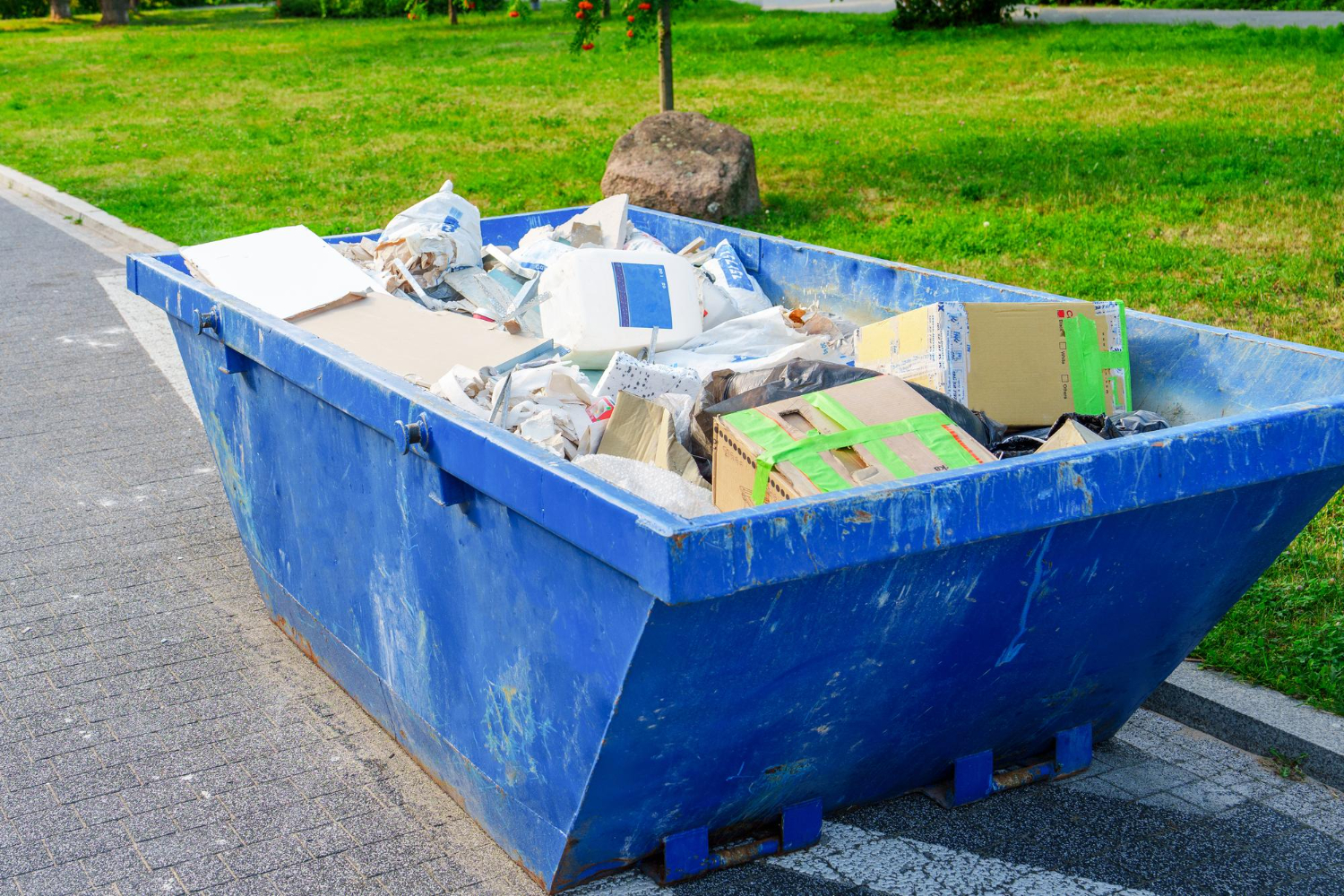
Using a roll-off dumpster is one of the easiest ways to handle a big cleanout, renovation, or roofing job. But if that dumpster sits right on your driveway without any protection, the weight and metal edges can leave behind cracks, dents, stains, or broken pavers that are expensive to fix.
Many homeowners and contractors in Westchester, Putnam, Dutchess, and nearby counties plan projects once the weather is warm and dry. That also means hot pavement, softer asphalt, and more heavy trucks coming and going. In busy project season, protecting your driveway is just as important as picking the right dumpster.
Our goal here is simple: show you practical steps to keep your driveway safe while still getting the full convenience of a roll-off dumpster, from the day it arrives to the day it leaves.
Know Your Driveway Surface and Its Limits
Not all driveways handle weight the same way. Before you order a dumpster, it helps to know what you are working with.
Here is how common driveway types react under a loaded roll-off dumpster:
- Asphalt: In hot weather, asphalt can soften. Heavy containers and truck tires can leave grooves, divots, or shiny tire marks. Older asphalt with cracks or patches is even more at risk.
- Concrete: Concrete is harder, but it can chip at the edges, spall at the surface, or crack where it is already weak or sunken.
- Pavers: Brick or stone pavers can shift, settle, or crack if too much weight presses on a small area. The sand or base underneath can also get rutted.
- Gravel: Gravel does not usually crack, but heavy weight can push deep ruts into the base. Trucks may dig into soft spots and push rocks into your lawn or garden.
Summer adds a few extra stress points. Heat can soften asphalt and expand older concrete. Repeated passes with a heavy truck on gravel or pavers can cause shifting, especially if the base is not firm.
Before you schedule a dumpster, do a quick driveway health check:
- How old is the driveway, and has it had any past repairs?
- Are there visible cracks, low spots, or crumbling areas?
- Are there tight corners or narrow sections where truck weight might be forced onto one edge?
If the surface already looks tired or uneven, that is a sign you will want extra protection and careful placement.
Smart Planning Before Your Dumpster Is Delivered
A little planning before delivery can save a lot of stress later. One big choice is dumpster size. Going too small may seem easier, but it often leads to overloading or needing a second container, which puts even more weight and traffic on your driveway. Picking a size that fits your project lets you load safely without packing everything into one tiny space.
Think about how you will use the driveway and where the truck can get in. Good placement tips include:
- Choose a flat, level area away from sharp corners and weak edges.
- Avoid blocking drains, sidewalks, or access to your garage or front door.
- Stay clear of septic lids or any underground features you know about.
On some properties, the safest spot is actually the street, if local rules allow it. That can take the weight off your driveway completely, though you may need permission from your town.
Good communication with your rental company helps a lot. When you book, describe your driveway surface and layout. It often helps to:
- Mention any trouble spots like cracks, steep slopes, or tight turns.
- Share if your driveway is asphalt, concrete, pavers, or gravel
- Ask for placement advice based on your specific property and project
Local drivers who work daily in Westchester, Putnam, and Dutchess counties know how to place containers in tricky spaces and can give you guidance before they even arrive.
Simple Ways to Shield Your Driveway From Damage
Once you know where the roll-off dumpster should go, the next step is to protect the surface. The easiest way to do that is by putting something between the dumpster and your driveway.
Common protective options include:
- Thick plywood sheets laid under the container rails
- Sturdy lumber runners that spread out the weight
- Purpose-made pads or blocks designed for heavy loads
These materials help spread the force across a larger area, which reduces dents, chips, and tire marks. They also keep the metal from scraping directly on your asphalt, concrete, or pavers during loading and pickup.
How you load the dumpster also matters. Try to:
- Spread heavy items like broken concrete, roofing shingles, soil, and tile evenly
- Avoid stacking the heaviest material at one end or just near the door
- Mix lighter debris with heavier items so weight is balanced
A balanced load keeps the container from pressing too hard on one edge or corner of the driveway.
When the dumpster is picked up, do a quick cleanup. Sweep or rinse the area where the container sat. This helps remove:
- Rust dust from the metal
- Small nails, screws, or sharp scraps
- Dirt or bits of debris that could stain or scratch the surface
A few minutes of housekeeping right after pickup keeps small marks from becoming permanent.
Manage Weight, Timing, and Access Like a Pro
Roll-off dumpsters are built for weight, but that weight still rests on your driveway. Staying within your weight limit is important for both safety and your surface.
During big cleanouts or demolition work, it is easy to keep tossing heavy debris in without thinking. Try to:
- Keep an eye on how much dense material you add
- Break large chunks of concrete or roofing into smaller pieces
- Talk with the rental company about what counts as “heavy” for your size container
Timing also plays a part in protecting your driveway. A very heavy container sitting in the same spot for a long stretch can slowly sink into soft asphalt or gravel, or put ongoing pressure on older concrete.
To reduce that risk:
- Plan your project so you start loading soon after delivery
- Avoid keeping a full dumpster sitting for extra days if you do not need to
- Schedule pickup shortly after the job is wrapped up
Truck access is another key detail. Safe, smooth access lowers the chance of scraping corners or chipping edges. Before delivery and pickup, try to:
- Move vehicles out of the way
- Trim or tie back low branches that could force the truck to swing wide
- Clear toys, tools, and yard items from the path
The easier it is for the driver to pull straight in and straight out, the gentler the truck can be on your driveway.
Dumpster Rental FAQs for a Smooth, Damage-Free Job
What size dumpster do I need?
The right size depends on what you are tossing and how big the project is. A small garage or attic cleanout with mostly light junk might only need a smaller container. A full renovation, roofing job, or demolition with heavy materials usually calls for a larger size. Local providers like Mr. Cheapee, Inc. can help match the container size to your job so you avoid both overloading and getting more capacity than you need.
How much does dumpster rental cost?
Pricing usually depends on several factors, including:
- Size of the dumpster
- Length of the rental period
- Type of debris you are loading
- Service location within Westchester, Putnam, Dutchess, and nearby counties
Getting a clear quote up front helps you plan for both the dumpster and simple driveway protection like plywood or pads.
What can I put in a dumpster?
Most roll-off dumpsters can take:
- General household junk and clutter
- Yard waste like branches and brush
- Construction and renovation debris
- Old furniture and non-hazardous building materials
- Roofing or siding that does not contain hazardous material
Items like paints, chemicals, certain electronics, and appliances with refrigerants often need special handling. Always check with the rental company before loading anything you are unsure about.
How long can I keep a dumpster?
Typical rental windows often cover several days, which is enough for most projects. Longer rentals can usually be arranged if you have a large job that will take more time. From a driveway care point of view, keeping the container for only as long as you truly need it can lower the chance of denting, rutting, or staining.
Do you offer same-day delivery?
In many cases, same-day or next-day service is possible, especially in busy cleanup seasons, but it depends on container availability and scheduling. Calling earlier in the day during peak times gives you a better chance of getting the size you want and leaves time to plan driveway protection before the truck arrives.
By taking these simple steps, you can enjoy the convenience of a roll-off dumpster and finish your project with a clean, undamaged driveway that is ready for whatever comes next.
Get Started With Your Project Today
If you are ready to clear out clutter or prep your job site, we can help you choose the right roll-off dumpster size and schedule. At Mr Cheapee Inc, our team will walk you through simple pricing and flexible rental timelines so your project keeps moving. Have questions or need a fast quote? Just contact us and we will get you set up quickly.
