Archive for March, 2026
Sunday, March 29th, 2026
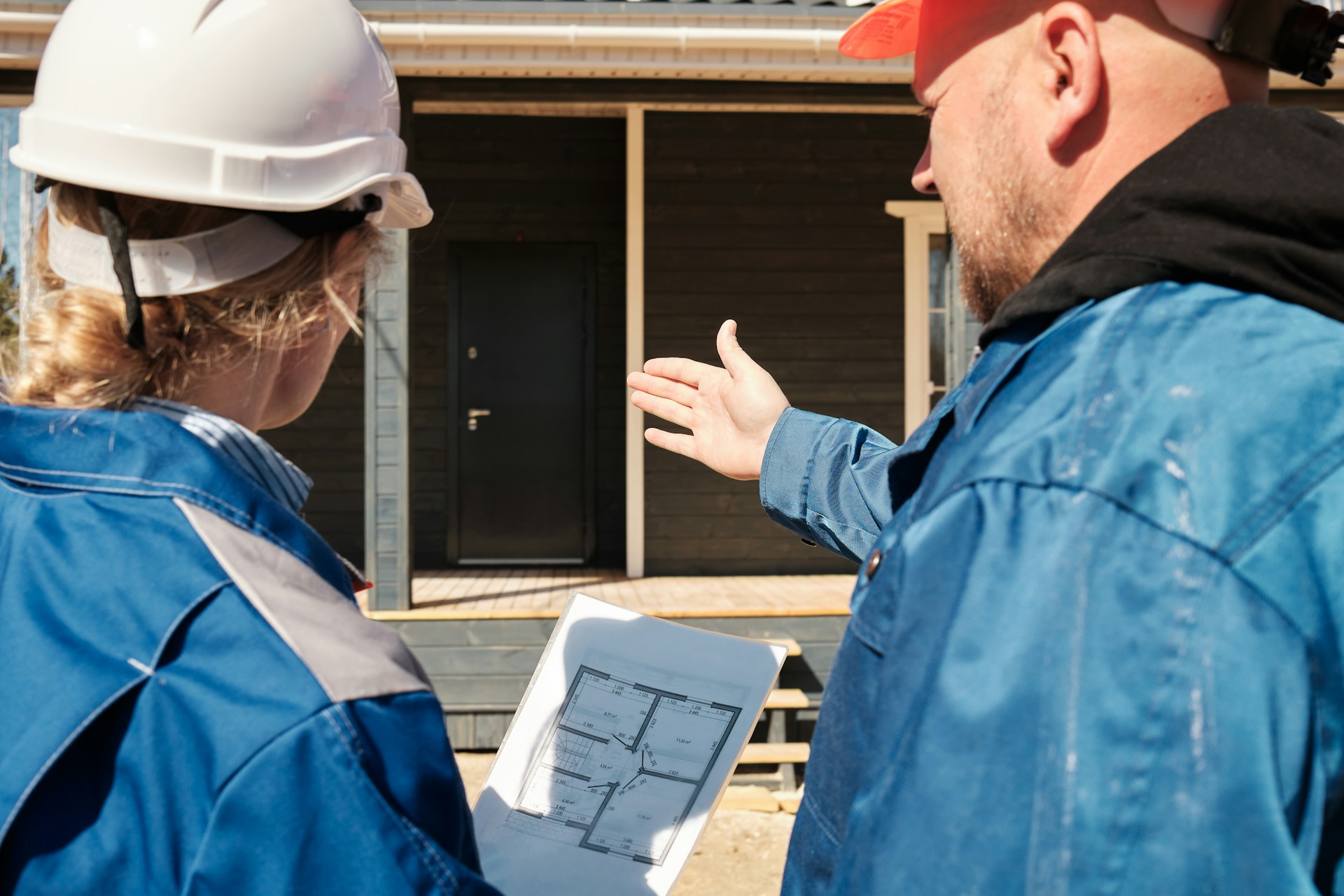 Smarter Waste Planning for Spring Renovation Season
Renovation work moves fast when debris removal is handled right. When it is not, piles of drywall, old cabinets, and broken tile can slow every trade on the job. Planning dumpster rental services early helps you keep crews moving, protect your schedule, and keep clients happy.
In the Hudson Valley, the stretch from March through June is busy for both residential and commercial projects. Weather is better, homeowners are ready for upgrades, and business spaces push to refresh before summer. If you wait until the last minute to think about dumpsters, you risk delays, tight delivery windows, and crowded sites.
A clean, well-planned waste area makes your jobs safer and more efficient. Labor is not wasted walking debris across the yard, trip hazards are under control, and inspections tend to go smoother. With smart dumpster planning, you set the tone for the entire project.
As a local hauler, we understand the types of renovation work common in this area and how fast debris can pile up. When you choose a dumpster partner that knows both residential and commercial needs, you can plan around realistic delivery times, swap schedules, and local conditions instead of guessing.
Matching Dumpster Sizes to Real Renovation Scopes
The right dumpster size depends on what you are doing, how big the space is, and how heavy the materials will be. For renovation contractors, it helps to match common project types with typical container sizes.
For smaller projects, such as a basic bathroom update or a modest kitchen refresh, a 10 yard dumpster is often enough. It can usually handle:
- Old cabinets and vanity pieces
- A standard tub or shower unit
- Tile, light flooring, and some drywall
- Trim, doors, and a few small fixtures
When you step up to a full kitchen gut, multiple rooms, or a partial home remodel, a 20 yard container becomes a better fit. This size is often used for:
- Larger quantities of drywall and framing lumber
- Multiple rooms of flooring and subfloor
- Several doors, windows, and built-ins
- Medium roofing jobs with shingles and sheathing
For large projects, such as whole home renovations, major office renovations, or light commercial build-outs, contractors often move into 30 yard or larger dumpsters. These can handle:
- Heavy volumes of mixed demolition debris
- Interior framing changes across several rooms or units
- Roofing on bigger buildings
- Larger fixtures, counters, and built-ins from commercial spaces
When you are bidding or scheduling, a simple decision framework can help:
- One room, light materials, no structural work: start around 10 yards
- Several rooms or a kitchen plus another space: plan on 20 yards
- Whole floor, whole home, or large commercial area: 30 yards or more
If you are between sizes, most contractors choose to size up. It is easier to work with a slightly larger container than to stop mid job for an unplanned swap.
Budgeting Dumpster Costs Into Every Bid
Waste handling should be built into your project plan from the start, not added later as an afterthought. When you include dumpster rental services in your bids, you protect both your schedule and your profit.
Several factors usually affect cost for renovation contractors:
- Dumpster size and how many containers you will need
- Length of time you plan to keep each container on site
- Type of debris and how heavy it is, such as roofing vs light demo
- Location of the job and how easy it is to access
- Any permits or placement rules required by the town or city
When you request pricing, ask for clear details about what is included. Good questions to cover include:
- What is the standard rental period before extra time is added?
- Is there a weight limit, and what happens if we go over it?
- What materials are allowed in this price, and what are restricted?
- Are swap-outs billed differently than the first delivery?
By adding realistic disposal costs into your proposal, you avoid surprise expenses later that can quietly eat into your margin. If you do repeat work in the Hudson Valley, working with the same hauler can also help you keep your numbers more consistent from job to job.
What Can Go in the Dumpster and What Cannot
Renovation debris comes in many forms, but not everything belongs in the same container. Knowing what can and cannot go in the dumpster keeps you in line with local rules and avoids extra fees.
Typical renovation waste that is often allowed includes:
- Drywall, plaster, and framing lumber
- Flooring, tile, and subflooring
- Roofing shingles and sheathing
- Cabinets, countertops, doors, and trim
- Non hazardous construction and demolition debris
Some materials usually require special handling or separate disposal. These often include:
- Paints, solvents, and certain chemicals
- Asbestos containing materials
- Appliances with refrigerant, such as fridges or some AC units
- Tires and certain automotive parts
- Some electronics and batteries
If restricted items end up in the load, it can lead to extra handling, delays at disposal sites, or added costs. Contractors can avoid this by setting simple site rules:
- Mark a clear area or bin for anything that might be restricted
- Tell subs and crew leaders what is allowed in the dumpster
- Keep an eye on the load before pickup, especially near the top
Clear rules keep the debris stream cleaner, which helps jobs move faster and keeps you in good standing with inspectors and property owners.
Timing, Turnaround, and Site Logistics That Keep Jobs Moving
Good timing with dumpsters is just as important as choosing the right size. If the container is late, full, or in the wrong spot, your whole schedule feels it.
Rental windows can vary, but many contractors plan around a set number of days with options to extend. For multi-phase projects, it often works best to schedule:
- One container for demo and early framing
- A second container for mid-project cleanup and rough work
- A final container for finish work, packaging, and punch list debris
Same-day or next-day delivery can be possible, but it is not something you want to rely on for every job, especially in the busy spring season. Placing your orders with some lead time helps your hauler line up trucks and drivers around your plan.
Placement also matters. When choosing a spot, think about:
- Distance from the work area so labor is not wasted
- Protecting driveways with boards if needed
- Clear access for the truck, including overhead wires or branches
- Room to open doors or ramps on the container if it has them
On narrow streets or tight urban lots, talk through the access with your hauler before delivery. Photos, notes on slopes, or details about shared driveways can prevent surprises on delivery day.
Partnering with a Reliable Local Hauler for Repeat Projects
Renovation contractors who work in the same area again and again gain a lot by having a steady waste partner. With a trusted local hauler, you get consistent service, faster answers, and less guessing on every new job.
You can also standardize your own planning. Many contractors find it helpful to create a simple waste plan template that covers:
- Default dumpster sizes for common project types
- Usual lead times for ordering delivery and swaps
- Standard placement preferences, such as driveway or side yard
- Contact details and steps for making changes when jobs shift
As a local provider in the Hudson Valley, Mr Cheapee Inc focuses on roll-off dumpsters, rubbish removal, and demolition for both residential and commercial projects. By understanding the types of work contractors handle here, we can help match containers to your scope, line up realistic timing, and keep debris from getting in the way of your schedule.
Dumpster Rental FAQs for Hudson Valley Renovation Projects
What Size Dumpster Do I Need?
The right size depends on your project scope and materials:
- Small projects (single bathroom, modest kitchen refresh, one light-duty room): a 10 yard dumpster is often sufficient.
- Medium projects (full kitchen gut, several rooms, partial home remodel, medium roofing jobs): a 20 yard dumpster is commonly used.
- Large projects (whole home renovations, major office renovations, light commercial build-outs, larger roofing jobs): a 30 yard or larger dumpster is usually the best fit.
If you are unsure or between sizes, most contractors prefer to size up to avoid unplanned mid‑project swaps.
How Much Does Dumpster Rental Cost?
Dumpster rental pricing typically depends on:
- Container size and the number of dumpsters needed
- How long you keep each dumpster on site
- Type and weight of debris (for example, roofing vs. light interior demo)
- Job location and site access conditions
- Any required permits or placement restrictions from the town or city
We provide clear pricing that outlines the standard rental period, included weight, allowable materials, and how swap‑outs or extra time are billed so you can budget accurately in your bids.
What Can I Put in a Dumpster?
For renovation work, most non‑hazardous construction and demolition debris is usually allowed, including:
- Drywall, plaster, and framing lumber
- Flooring, tile, and subflooring
- Roofing shingles and sheathing
- Cabinets, countertops, doors, and trim
Materials that often require special handling and generally cannot go in a standard dumpster include:
- Paints, solvents, and certain chemicals
- Asbestos‑containing materials
- Appliances with refrigerant (such as refrigerators or some AC units)
- Tires and some automotive parts
- Certain electronics and batteries
We can review your specific debris list in advance so you know exactly what can go into the container on each project.
How Long Can I Keep a Dumpster?
Rental periods vary by project, but most contractors plan around a defined rental window with the option to extend:
- Shorter projects may only need a single dumpster on site for part of the schedule.
- Multi‑phase jobs often plan separate dumpsters for demo, rough work, and finish work.
Our quotes specify the standard rental duration included in the base price, along with any daily or weekly charges if you need to keep the dumpster longer than planned.
Do You Offer Same-Day Delivery?
Same‑day or next‑day dumpster delivery can be possible, especially when requested early in the day and when scheduling allows. However, during the busy spring renovation season, availability can tighten.
To keep your projects on schedule, we recommend placing orders with lead time so we can reserve trucks, drivers, and containers around your demolition and construction phases. When you work with us regularly, we can often plan deliveries, swaps, and pickups in advance to align with your standard project timelines.
Get Started With Your Project Today
When you are ready to clean up your space, we are here to make the process straightforward and efficient. Explore our dumpster rental services to find the right size and schedule that fits your project. If you have questions or need help choosing the best option, contact us and our team at Mr Cheapee Inc will walk you through every step.
Posted in Blog | No Comments »
Sunday, March 22nd, 2026
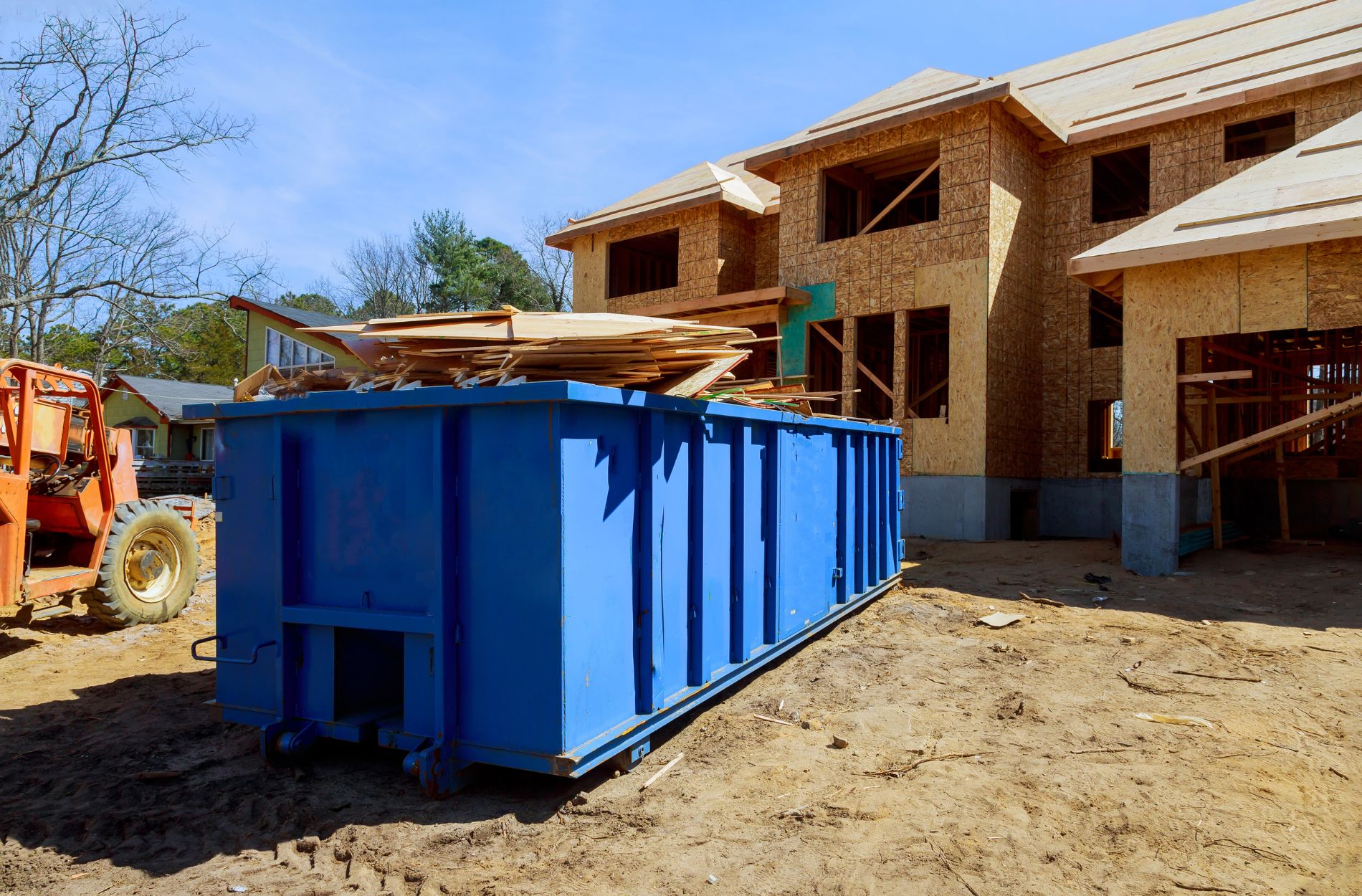 Save Time and Money by Skipping DIY Junk Trips
DIY junk hauling looks cheap on the surface. You borrow a truck, load it up, and make a few quick trips to the dump. But once you add in fuel, dump lines, strain on your body, and a weekend lost to driving back and forth, it stops feeling like a bargain.
Having a dumpster placed in your driveway or on your job site keeps things simple. For spring cleaning, pre-move cleanouts, or renovation work, you can toss debris straight into the container as you go. No stacking piles in the garage, no stuffing vehicles, and no racing to make disposal hours.
We see this all the time across the Hudson Valley. People start with good DIY intentions, then end up spending more time, money, and energy than they planned. Renting from a local dumpster rental service can be more cost-effective, safer, and a lot less stressful than trying to haul everything on your own.
The Real Costs of DIY Junk Hauling add up Fast
DIY hauling feels free because you are doing the labor yourself. But there are many costs hiding in the background.
Money costs that are easy to miss include things like:
- Renting or borrowing a truck or trailer
- Extra fuel for multiple heavy loads
- Disposal and tipping fees at different facilities
- Tolls and parking if you cross bridges or busy areas
Then there is your time. A simple project can turn into:
- Loading the same junk more than once
- Waiting in line at transfer stations
- Rearranging work or job schedules
- Giving up weekends you planned for family or rest
There are also risks. Heavy appliances, broken furniture, and construction debris are not friendly to small vehicles or to your back. When you handle it yourself, you take on:
- Possible injuries from lifting wrong or rushing
- Scratches, dents, or broken parts on your vehicle
- Fines if you bring items that are not allowed or sort them the wrong way
When you look at everything together, DIY junk trips can end up costing much more than they seemed at the start.
Why Dumpster Rental Services Often Cost Less Overall
A dumpster rental gives you one clear solution instead of a dozen small problems. With a flat-rate container, the big pieces are usually bundled together: the container itself, delivery, pickup, and standard disposal.
This kind of simple pricing helps with planning. You know what you are paying before you start loading. You are not guessing how many dump runs you will need or how many times you will fill the gas tank.
Think about a typical project:
- One home cleanout or remodel often fills a single container
- All debris goes in one place instead of dozens of truckloads
- You cut out repeat driving, waiting in lines, and refueling
Less driving, less lifting, and less wear and tear often means lower total cost, even if the up-front dumpster price seems higher than a single DIY trip. With a local company, you also get real guidance. You can talk through your project, get help choosing the right size, and understand weight limits and pricing before the container ever shows up. That way you are not surprised by overages or scrambling on the last day.
Safety, Stress, and Convenience You Cannot Put a Price on
Money matters, but so do your safety and sanity. When you have a dumpster on-site, your work area stays cleaner and safer. Sharp wood, broken tile, and bulky junk go straight into the container, not into a loose pile in the yard or driveway.
That helps reduce:
- Tripping hazards around your home or job site
- Loose nails and sharp edges sitting where kids or pets walk
- Heavy items being moved again and again
Convenience is a big deal too. With a dumpster, you can load as you work during the rental period. You are not forced into one huge, exhausting day of lifting and driving. You can sort rooms, clear spaces, and carry items out at a pace that fits your project.
Professional haulers also understand local rules. They know which materials can be mixed, which are restricted, and what needs special handling. That takes the guesswork and stress out of visiting different disposal sites and trying to figure it out on your own.
How to Choose the Right Dumpster for Your Project
Picking the right size does not have to be confusing. Around late March and into spring, many homeowners and contractors around the Hudson Valley are tackling:
- Whole-house decluttering and spring cleaning
- Bathroom or kitchen remodels
- Roof replacements and siding projects
- Garage, attic, and basement cleanouts
- Yard cleanups after winter storms
Different projects create different types and amounts of debris. Old furniture and household junk take up space but may be lighter. Construction debris like drywall, tile, and roofing is heavier and can fill a container fast.
A few simple tips when guessing size:
- Think in rooms: how many rooms of stuff are you clearing?
- Look at big items: couches, mattresses, dressers, and appliances add up
- Remember outside: yard waste, fencing, and old sheds all take space
- When in doubt, slightly larger is usually safer than too small
A container that is a bit bigger can help you avoid paying for a second rental or dealing with an overloaded dumpster that cannot be moved. A good local team can ask you a few questions about your project and steer you toward a size that makes sense, so you are not guessing in the dark.
FAQs: Planning Your Dumpster Rental the Smart Way
What size dumpster do I need?
The size depends on your project. A small room cleanout may need only a smaller container. A full home cleanout, large remodel, or roofing job usually calls for a bigger size. Because every job is different, the safest approach is to talk through what you are throwing away so someone can guide you to a size that fits your plans and limits repeat hauling.
How much does dumpster rental cost?
Pricing changes based on container size, type of debris, where you live, and how long you keep the dumpster. Most rentals use simple flat rates that cover delivery, pickup, and standard disposal up to a set weight. When you compare that to renting a truck, paying for fuel, covering dump fees, and losing time from work or other jobs, dumpster rental services are often the more economical choice.
What can I put in a dumpster?
Most everyday junk fits just fine, including:
- Household clutter and trash
- Furniture and mattresses
- Construction and demolition debris
- Many kinds of yard waste
Some items may be restricted, such as chemicals, certain electronics, tires, or hazardous materials. Before your rental starts, you can ask for a clear list of what is allowed and what is not, so there are no surprises at pickup.
How long can I keep a dumpster?
Standard rental periods are set to match common jobs. A week is often enough for a spring cleaning project or a small remodel. Larger projects may need a bit more time. If your work runs long, you can usually extend the rental for an extra fee. Planning realistic timing helps you avoid rushing, which can lead to overloading or unsafe stacking.
Do you offer same-day delivery?
Same-day or next-day service is often possible, depending on where you are and how busy the schedule is. This can be a big help for last-minute cleanouts, quick demolition jobs, or surprise moves. During busy seasons, it is smart to plan ahead so you can get the dates and container size that fit your project best.
Make Your Next Cleanout Easier, Safer, and More Affordable
DIY junk hauling often looks cheaper when you only count one truckload and one dump fee. Once you factor in fuel, time off work, stress, and risk, that picture changes. A single dumpster on-site keeps debris contained, protects your body and your vehicle, and turns a messy chore into a simple, steady task.
For anyone planning a move, downsizing, remodeling, or a big declutter, it pays to look at the full cost of DIY hauling versus a local dumpster rental. A company like Mr Cheapee Inc. can help you choose the right container, understand pricing, and schedule around your project so you can focus on the work that matters, not endless junk runs.
Get Started With Your Project Today
Whether you are tackling a home cleanout, renovation, or large construction job, we make it simple to get the right container delivered when you need it. Explore our flexible dumpster rental services and choose the size that fits your timeline and budget. If you are not sure what you need or have questions about permits, pricing, or placement, reach out and let the team at Mr Cheapee Inc walk you through the options. You can also contact us to schedule your dumpster and lock in your project dates.
Posted in Blog | No Comments »
Sunday, March 15th, 2026
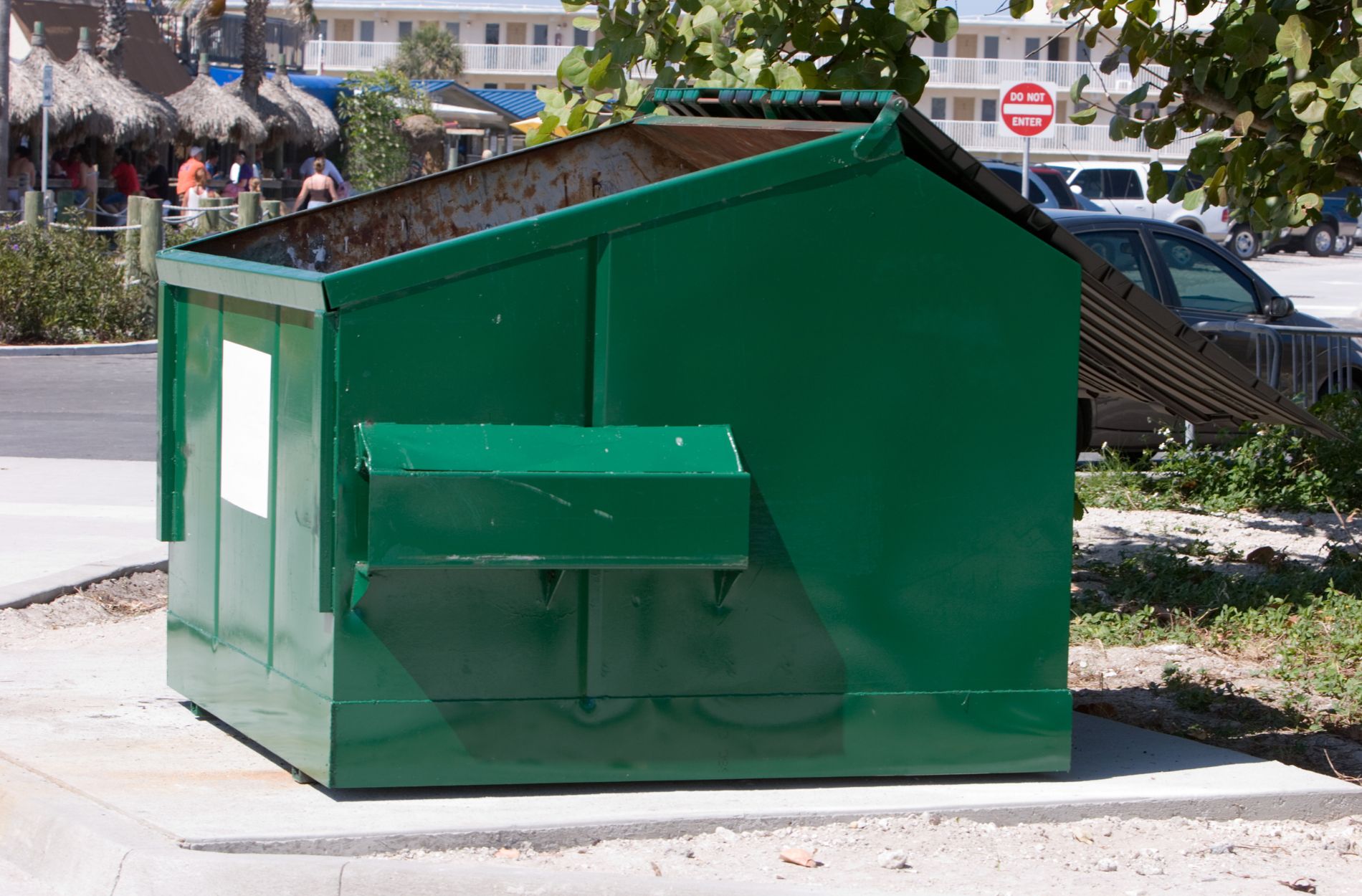 Stop Surprise Fees by Knowing Your Debris Weight
Dumpster overage fees sneak up on people all the time. You think you are set with one roll-off container, then the final bill shows extra charges because the debris weighed more than expected. That surprise can throw off a home project, a rental property cleanout, or a small commercial job fast.
Understanding how debris weight works helps you stay in control. When you can estimate weight before the container ever arrives, you are more likely to pick the right size, load it the right way, and stay within the allowed limit. That means fewer surprises, fewer headaches, and a smoother project from start to finish.
Most rentals come with a set weight limit. If the load weighs more than that when it hits the landfill scale, you pay extra, usually by the ton. Planning ahead is the best way to avoid that. A local team that knows Hudson Valley projects, and materials can talk through what you are tossing and help you get a realistic estimate before you start loading, especially during busy spring cleanups and renovation season.
How Dumpster Weight Limits Really Work
Dumpster size and debris weight are not the same thing. Size is measured in cubic yards. That tells you how much space you have. Weight is measured in tons. That tells you how heavy the load can be before overage fees kick in. A big container full of light junk might be fine, but a smaller container packed with concrete can max out on weight quickly.
Here is what affects the final weight:
- Landfill scales: The truck gets weighed when it enters and when it leaves. The difference is the debris weight.
- Truck capacity: Trucks and containers can only carry so much weight safely. Heavy materials reach that limit fast.
- Weather and moisture: Rain, snow, and wet mud add a lot of extra pounds inside a container.
Even small changes matter. A clean load of dry lumber is very different from a mix of lumber, drywall, and wet yard waste. Dirt, rock, and roofing all push the scale number up. For many residential and light commercial rentals, the standard weight allowance is usually set to cover typical home junk, light construction debris, or yard waste. Heavy jobs often need a different plan.
Estimating Debris Weight for Common Spring Projects
You do not need to be an engineer to get a decent debris weight estimate. You just need a few simple rules of thumb and a clear idea of what you are throwing out.
Here are some common spring project materials and how they tend to behave:
- Roofing shingles: Asphalt shingles are dense. Even a small roof can create a surprisingly heavy load. Many people end up needing a smaller container used only for shingles.
- Basement and attic cleanouts: Old furniture, boxes, clothes, toys, and light household items usually fill space before they hit the weight limit.
- Kitchen and bath demo: Cabinets, tile, countertops, and drywall add up. Tile and stone are heavier than they look.
- Yard debris: Branches and leaves are pretty light when dry, but wet soil, sod, and stumps are heavy.
- Decking and fencing: Long boards stack well but have some weight, especially older pressure-treated wood.
A few simple ways to think about weight:
- Shingles: Count the number of squares on the roof. Each square has some heft, so larger roofs almost always push the weight faster.
- Household junk: A packed room of mixed household items will usually be lighter than a room full of tile or brick, even if it takes up the same space.
- Decks: The more lumber and the thicker the boards, the heavier the total load.
Sometimes it is smarter to choose a larger container for bulky, light material and a smaller one for heavy debris. Mixing heavy and light material in one box can surprise you at the scale, even if it is only half full.
Choosing the Right Dumpster Size for Your Job
When people ask, “What size dumpster do I need?”, the answer depends mostly on the type of project and the weight of the debris, not just how much space it will take up.
Here is some general guidance:
- Single room remodel: A smaller size often works for one kitchen, bathroom, or bedroom, especially if it is mostly drywall, cabinets, and flooring.
- Full house cleanout: A larger container is usually better for furniture, boxes, and general clutter. These items take up space but are not as heavy.
- Small commercial renovation: Tile, drywall, trim, and fixtures can add up quickly, so sizing and weight estimates matter more.
For especially heavy materials, like concrete, brick, dirt, or roofing shingles, a smaller container with a lower height can be safer and more cost effective. These loads hit the weight limit long before they fill the container, so using a huge size does not always help.
People also ask how long they can keep a dumpster. Most rentals come with a standard time window that is long enough for typical projects. If you need more time, you can usually extend the rental period, as long as you plan ahead. Same-day or next-day delivery is often possible when schedules and demand allow, especially for local projects in the Hudson Valley.
What You Put in the Dumpster Changes the Weight
Not all debris weighs the same. What you toss changes how quickly you hit that weight limit.
Common material categories include:
- Household junk: Furniture, toys, clothing, small appliances, and decor are usually lighter.
- Construction debris: Drywall, lumber, flooring, cabinets, and trim sit in the middle range.
- Concrete and masonry: Concrete, brick, block, and stone are very heavy.
- Yard waste: Branches and brush are light, but soil, sod, and rocks are heavy.
- Roofing: Asphalt shingles and roofing felt pack serious weight into a small space.
People also want to know, “What can I put in a dumpster?” In most cases, general household junk, construction and demolition debris, and yard waste are allowed. Some items are restricted or require special handling, like appliances that still have refrigerant, tires, liquids, and any hazardous materials. When in doubt, it is always better to ask first.
To keep weight under control:
- Do not mix dirt, rock, or concrete with light debris.
- Cover the container with a tarp if rain is in the forecast.
- Do not fill above the top rail. Overfilled loads can lead to extra fees or may not be hauled for safety reasons.
Smart Tips to Avoid Overage Fees on Your Next Dumpster Rental
A little planning at the start can save a lot of stress at the end. Treat weight like part of your project plan, just like time and tools.
Use this simple checklist:
- Talk through your project details before you book so the container size and weight limit match your debris.
- Choose the size based on material type, not just how big the space looks.
- Keep very heavy materials separate when possible and consider a dedicated box for them.
- Load heavier items first, spread out across the bottom, then stack lighter junk on top.
People also ask, “How much does dumpster rental cost?” While pricing can vary, most rentals include delivery, pickup, a set rental period, and a specific weight allowance. Overage fees usually apply only when the final weight passes that included limit, and they are commonly figured per ton over the allowance. Understanding that up front makes it easier to compare options and stay on budget.
A local team that knows the area, the landfill rules, and common project types can help you review your plan, estimate debris weight, and pick a container that makes sense for what you are throwing away. That way your project moves forward smoothly, from the first swing of a hammer to the final haul.
Dumpster Rental FAQs
What Size Dumpster Do I Need?
The right size depends on your project and debris type. Smaller sizes usually work for single-room remodels or small cleanouts, while larger containers are better for whole-house cleanouts or bigger renovations. Heavier materials like concrete or shingles often require smaller, dedicated containers so you stay within weight limits.
How Much Does Dumpster Rental Cost?
Pricing varies by size, location, rental period, and included weight allowance. Most rentals bundle delivery, pickup, a standard rental window, and a set tonnage. Overage fees only apply if your debris weight goes over that included limit and are typically charged per extra ton.
What Can I Put in a Dumpster?
You can usually dispose of general household junk, most construction and demolition debris, and yard waste. Items that may be restricted or need special handling include liquids, hazardous waste, tires, and appliances with refrigerant. Always check local guidelines before loading.
How Long Can I Keep a Dumpster?
Most providers offer a standard rental period that covers typical home and light commercial projects. If you need more time, you can often extend your rental by arranging it in advance.
Do You Offer Same-Day Delivery?
Same-day delivery is often available depending on current schedules and container availability, especially for local Hudson Valley projects. Contact the local team early in the day to check current options.
Get Started With Your Project Today
Whether you are clearing out a home, managing a construction site, or handling a large cleanup, Mr Cheapee Inc is ready to make debris removal straightforward and efficient. Explore our dumpster rental options to find the right size and schedule for your project. If you are unsure what you need or have specific job details to discuss, simply contact us so we can help you plan the best solution.
Posted in Blog | No Comments »
Tuesday, March 10th, 2026
Spring Cleaning Without the Stress
Spring cleanouts feel good, but they can get messy fast. Once you start pulling things out of closets, basements, and garages, piles grow, bags rip, and you are stuck wondering what to do with all that junk. That is when planning ahead makes all the difference.
Having a dumpster rental on-site keeps your project simple and under control. Instead of loading your car over and over or waiting weeks for limited bulk pickup, you have one clear place to toss what you no longer need. You walk it out, drop it in, and move on. For Hudson Valley homeowners and renters, this can turn a stressful weekend into a simple, steady cleanup.
When you pair spring cleaning with the right dumpster rental, you do not just clear clutter; you also save time, energy, and a lot of frustration. With a local company that offers fast delivery, clear terms, and friendly guidance, your cleanout can feel organized from start to finish.
Why a Dumpster Rental Makes Spring Cleanouts Easier
A dumpster in your driveway or near your building acts like a central drop spot. Instead of spreading trash bags and broken furniture all over your yard, you just carry items straight to the container. Walkways and driveways stay clear so you are not tripping over old boxes or piles of junk.
Here is how a dumpster rental makes things easier during a spring cleanout:
- One main spot for all throwaways
- No random piles sitting in corners or on the curb
- Less bending and re-stacking trash bags
- Less mess blowing around your yard
You also save a lot of time. Without a dumpster, you might be:
- Loading your car or truck many times
- Driving to a transfer station or drop-off site
- Waiting for town pickup days and sorting by strict rules
With a dumpster rental, you can work at your own pace. You toss items as you go, without worrying about what the pickup schedule is or which site takes what. The rental sits there, ready when you are, so you can do a little each day or power through in one weekend.
This setup lowers stress for everyone in the home. There are fewer arguments about where to stack bags, fewer delays, and less second-guessing. Even kids or other family members can help when the system is simple: carry the junk out and drop it in the container.
Choosing the Right Size Dumpster for Your Project
Picking the right dumpster size is a common worry, especially if you have never rented one before. The good news is you do not need to guess perfectly. You just need a rough idea of what you plan to clear out.
Here are a few common spring projects and the kinds of containers people often use:
- Small garage or attic cleanout, light household junk: smaller container
- Whole-house decluttering with furniture and boxes: medium container
- Estate cleanups with lots of bulky items: larger container
- Small remodeling jobs like bathroom or kitchen updates: medium container
- Yard debris after winter storms, including branches and old fencing: size depends on volume
When you talk through your project with a dumpster rental team, they will ask simple questions, such as:
- How many rooms are you cleaning out?
- Do you have big items like couches, mattresses, or dressers?
- Are you doing donation runs first, or tossing most of it?
- Are you including any construction or remodeling debris?
A basic rule of thumb is this: if you think you are between sizes, it often makes sense to go a bit larger. That way you have room for last-minute items you forgot about in the shed, attic, or backyard. A short phone call with a local pro can fine-tune the choice so you feel confident before the container shows up.
What You Can Toss and What Should Stay Out
One of the biggest spring-cleaning questions is what can go into a dumpster and what has to be handled in a different way. Knowing this ahead of time keeps you from loading items that need to be removed later.
Most spring cleanout items are fine for a standard dumpster, such as:
- Old furniture like chairs, sofas, and tables
- General household junk and clutter
- Non-hazardous construction debris like wood and drywall
- Broken toys, rugs, and decor
- Bagged trash from closets and storage areas
Some items are usually restricted, including:
- Paints, oils, and other chemicals
- Tires
- Electronics, depending on local rules
- Appliances that contain refrigerants, like old fridges or freezers
- Some types of batteries
These items often need special recycling or drop-off locations because they can harm the environment if tossed with regular trash. Your dumpster rental provider can explain what is allowed in your area and suggest where to take items that are not.
To keep things simple as you clean, use a basic sorting system:
- Donate: usable clothes, furniture, and household items
- Recycle: cardboard, certain metals, and approved plastics
- Hazardous or special items: chemicals, paints, certain electronics
- Dumpster: everything else that is safe to toss
This way nothing ends up in the wrong place, and you keep your spring project moving without extra stress.
Timing, Pricing, and Same-Day Solutions
Timing matters when you are planning a big cleanout. You want your dumpster to arrive when you are ready to work, and you want enough time with it so you are not rushed at the end. Most dumpster rentals offer a set period, with the option to add more time if you need it.
Common timing questions include:
- How long can I keep a dumpster?
- Can I start on a Friday and finish over the weekend?
- What if the weather slows me down?
A local provider can walk you through standard rental periods and help you pick dates that fit your schedule, your family plans, and the local forecast.
Many people also want to know how pricing works for a dumpster rental. While exact numbers depend on your provider, the main pieces that shape your cost are usually:
- Dumpster size
- Included weight limit
- Rental length
- Type of debris going in the container
Clear, upfront quotes are helpful so there are no surprises later. You can share what you are tossing and how long you think you will need the container, and get a simple price structure in return.
Spring can be a busy time for cleanouts in the Hudson Valley, so same-day or next-day delivery may depend on how full the schedule is. If you can, plan a bit ahead. If plans change last minute, it never hurts to ask about same-day options so your project does not stall while clutter sits in your driveway or yard.
Plan Your Spring Cleanout Like a Pro
A little planning before the dumpster arrives can turn a big job into a smooth one. You do not need a complex system, just a short checklist.
Try this simple game plan:
- Pick your cleanout dates and set aside time
- Walk your home, garage, and yard to get a rough idea of volume
- Decide what will be donated or recycled before dumpster day
- Book a dumpster size that fits your project and timing
- Clear paths from each area to the drop spot for safe, easy carrying
In the Hudson Valley, early spring often brings milder days, which makes it a great time to empty sheds, open garage doors, and finally tackle that basement you closed up during cold weather. With better outdoor access, you can move freely between rooms, the yard, and the container without tracking in mud or snow.
Once your plan is set and your dumpster is booked, you can focus on the actual goal: creating a cleaner, more open home that feels lighter heading into the warmer months. With the right dumpster rental partner, spring cleanouts become less about hassle and more about finishing a project you can feel good about.
Dumpster Rental FAQs
What Size Dumpster Do I Need?
The right size depends on how much you are clearing out and the types of items you have. Small garage or attic cleanouts often work well with a smaller container, while whole-house decluttering or estate cleanups usually call for a medium or larger container. If you are between sizes, it often makes sense to choose the next size up so you have room for last-minute items.
How Much Does Dumpster Rental Cost?
Dumpster rental pricing typically depends on several factors: the size of the dumpster, the included weight limit, how long you keep the container, and the type of debris you are tossing. A local provider can give a clear, upfront quote once you describe your project and timeline.
What Can I Put in a Dumpster?
Most household junk from spring cleanouts can go into a standard dumpster, including old furniture, general clutter, non-hazardous construction debris like wood and drywall, broken toys, rugs, decor, and bagged trash. Items such as paints, oils, chemicals, tires, certain electronics, appliances with refrigerants, and some batteries are usually restricted and may need special handling or drop-off locations.
How Long Can I Keep a Dumpster?
Rental periods vary by provider, but most companies offer a set number of days with the option to extend if you need more time. You can often schedule the container to arrive before a weekend so you can start on a Friday and finish over the next few days. Your provider can explain standard rental lengths and help you choose dates that fit your schedule.
Do You Offer Same-Day Delivery?
Availability for same-day or next-day delivery depends on how busy the schedule is, especially during peak spring cleanout season in the Hudson Valley. Many providers can offer rapid delivery when their routes allow, so it is best to call ahead when possible. If plans change suddenly, it is still worth asking about same-day options to keep your project on track.
Get Started With Your Project Today
If you are ready to clear clutter or prep a job site, Mr Cheapee Inc is here to help you plan the right dumpster rental for your needs. We will walk you through sizing, scheduling, and placement so your cleanup stays on time and on budget. Have questions or need a quote fast? Just contact us and our team will get you set up quickly.
Posted in Blog | No Comments »
Tuesday, March 3rd, 2026
Clear Your Job Site Faster with the Right Concrete Dumpster
Concrete, brick, and other heavy debris can pile up fast. One project like a driveway tearout or patio replacement can leave you with a big, heavy mess that is not easy to move or toss in regular trash. That is where the right concrete dumpster makes a huge difference for both homeowners and contractors.
Spring is a common time for outdoor work in the Hudson Valley, but these projects happen year-round. Old sidewalks get removed, cracked patios are broken up, and small structures come down. All that material needs a safe place to go. Trying to load it into a small pickup or stack it in a corner of the yard is slow, tiring, and can be unsafe.
Heavy debris like concrete, asphalt, block, and stone is hard on vehicles and cannot go out with weekly trash. A specialized container for these materials lets you load everything in one spot, keep pathways clear, and keep the area safer for everyone on the job. With local, affordable services offering concrete debris bins near you, it is much easier to match the container to the project and get the job site cleaned up faster.
When You Need a Dedicated Concrete Dumpster
Not every project needs its own heavy debris container, but certain jobs are much easier when you have one on-site. Some common projects that benefit from a dedicated bin include:
- Driveway or sidewalk removal
- Patio or walkway replacement
- Retaining wall tear-outs
- Foundation or footing work
- Storm damage cleanups with broken masonry or concrete
Concrete, brick, and block need different handling than a typical junk load. Heavy debris can hit weight limits long before a dumpster looks full. Landfills and recycling centers also have rules about these materials, so tossing them into mixed trash can cause problems or extra sorting later. Smaller cans, trailers, and pickup trucks can be damaged by the weight, especially if they are not built for it.
Dedicated concrete dumpsters are designed for these loads. They are:
- Lower and easier to load with wheelbarrows and equipment
- Built to handle dense, heavy material
- Hauled by trucks set up for the extra weight
This setup is safer than stacking concrete in a pickup, strapping it down, and hoping you do not blow out a tire or crack a bed. Working with a local provider also keeps hauling distances shorter, which usually means smoother logistics and can help keep overall project costs more predictable when you search for options near you.
Choosing the Right Dumpster Size for Heavy Debris
With concrete and other masonry, bigger is not always better. Because the material is so dense, smaller, heavy-duty dumpster sizes are usually the smarter choice. A container can reach its safe weight limit even when it does not look full to the top.
Here is a simple way to match project type to size range in general terms:
- Small patio, short walkway, or a few fence posts: smaller heavy debris container
- Full driveway, long sidewalk, medium patio: medium-size bin, possibly more than one haul
- Multi-room renovation with slab work or several sections of concrete: multiple smaller or medium dumpsters planned in stages
Every project is different, and weight can be tough to guess just by looking. That is why it helps when a rental team is willing to:
- Review photos of the area
- Listen to what you are breaking up
- Ask about thickness of the slab or driveway
- Suggest a size and plan that fits your space and timeline
FAQ: What Size Dumpster Do I Need?
A simple framework for “What size dumpster do I need?” looks like this:
- Space available on-site: Measure the driveway or access area and think about turning room for a truck.
- Type of material: Pure concrete and block are heavier than mixed debris, which affects size choice.
- Project duration: Short, intense projects might need one size; longer projects sometimes work better with swap-outs.
Sharing these details with your rental company helps them recommend an appropriate size so you stay within weight limits and avoid extra trips.
Costs, Weight Limits, and Avoiding Surprise Fees
Concrete dumpster pricing is built around a few main points. While exact numbers vary, it helps to understand what usually goes into the cost:
- Dumpster size
- Type of material (clean concrete versus mixed heavy debris)
- Weight allowance included with the rental
- Rental period length
- Job location and access
Heavy materials are often billed differently than mixed household trash. Concrete, brick, and asphalt reach higher weights quickly, so weight limits are especially important. Staying within those limits is the key to avoiding extra charges. Keeping loads to approved materials and not overfilling above the top helps keep everything straightforward.
Many people think about hauling concrete themselves in a pickup or small trailer. When you compare that to a single, well-planned dumpster, it often means:
- Several trips back and forth to the dump
- Fuel and dump fees each time
- Extra wear and tear on your vehicle
- Lost time that could be spent on the actual project
FAQ: How Much Does Dumpster Rental Cost?
For the FAQ “How much does dumpster rental cost?”, the honest answer is that it depends on size, material, and location. A good rental company will explain:
- The base rate for the size you choose
- The included weight allowance
- What happens if the load is heavier than expected
- Any delivery, pickup, or extended rental fees
Clear pricing and plain, easy language help you understand the full cost before the container arrives.
What You Can and Cannot Put in a Concrete Dumpster
Concrete dumpsters are meant for specific, heavy materials. Acceptable items usually include:
- Clean concrete pieces and slabs
- Brick and block
- Paving stones and pavers
- Asphalt from driveways or small parking areas
- Certain masonry from walls or footings
“Clean” concrete means it is free of trash, wood, plastic, and large amounts of metal. A bit of rebar, may be fine, but loads packed with mixed junk or soil often count as a different type of disposal. Clean loads are more likely to be recycled, which can affect how they are handled and priced.
Items that should stay out of a concrete dumpster include:
- Dirt, mud, and yard waste
- Household garbage or food waste
- Paint, solvents, and chemicals
- Electronics and batteries
- Hazardous or medical waste
FAQ: What Can I Put in a Dumpster?
For the common FAQ, “What can I put in a dumpster?” think of your spring and summer projects. Old patio slabs, broken steps, tired walkways, and small concrete footings are usually fine when they are free of other junk. Most household trash, food waste, chemicals, and anything hazardous should stay out. For anything uncertain, it is always best to ask your rental provider before tossing it in
Rental Timelines, Delivery Options, and Job Site Logistics
A concrete dumpster rental follows a pretty simple timeline. First, you choose a size and give basic details about your job. Then you set a delivery day and time window. The dumpster is dropped where you want it, you fill it as you work, and when you are done, pickup is scheduled and the container is hauled away.
For concrete work, many customers keep a dumpster for several days to a week. That gives time to break up slabs, move pieces safely, and handle any weather delays. Flexible rental periods are helpful for weekend-only projects or jobs that depend on other trades finishing first.
Good placement is important, especially in parts of the Hudson Valley with narrow streets or shared driveways. When planning, think about:
- A flat, solid surface for the dumpster
- Protecting the driveway, often with boards under the wheels
- Clearance above for the truck to lift and set the container
- HOA or neighborhood rules about where a dumpster can sit
FAQ: How Long Can I Keep a Dumpster?
People often ask, “How long can I keep a dumpster?” Rental companies usually offer a standard period, often several days to a week, with options to extend if needed for an additional fee. Discuss your project schedule up front so you have enough time without paying for more days than you truly need.
FAQ: Do You Offer Same-Day Delivery?
Another common question is, “Do you offer same-day delivery?” The answer depends on location and availability, but many jobs can be serviced the same day or the next day, especially during busy seasons when schedules are active and routes are frequent. Calling early in the day and being flexible about placement can increase your chances of getting a container quickly.
Why Local Concrete Dumpster Rentals Work Best
Working with a local concrete dumpster provider often feels simpler than dealing with a far-off call center. A local team knows the roads, hills, and tighter driveways common across the Hudson Valley. That makes it easier to judge access, suggest the right spot for the container, and plan around local disposal rules.
Local knowledge also helps when it comes to:
- Recommending the right size for older, thicker slabs
- Planning safer routes for heavy trucks on smaller roads
- Understanding local weather patterns and how they affect soft ground
On top of dumpsters, many local companies also handle related services like rubbish removal and demolition. That means you can often pair concrete dumpster rentals with help tearing out a patio, clearing a small shed, or cleaning up leftover debris, which keeps the whole job moving without juggling multiple crews.
Having a real person who can answer questions about heavy debris rules, driveway protection, and weekend timing makes the whole process less stressful. When concrete, brick, and block start piling up, the right local partner keeps projects on track, job sites cleaner, and cleanup from becoming the hardest part of the work.
Get Started With Your Project Today
Whether you are handling a small patio demo or a large commercial tear-out, we have the right containers ready when you are. At Mr Cheapee Inc, you can quickly reserve the size you need by browsing our concrete dumpsters near me and scheduling delivery around your timeline. If you are not sure what size is best or have specific jobsite requirements, just contact us and we will walk you through the options so your project can move forward without delays.
Posted in Blog | No Comments »