Archive for July, 2026

Dumpster Rental Planning for HOA and Co‑Op Communities

Sunday, July 26th, 2026

Dumpster RentalKeep Your Community Clean During Summer Projects

Summer is when many people in HOAs and co‑ops plan renovations, move‑outs, and big cleanups. In places like Westchester, Putnam, and Dutchess counties, that can mean a lot of extra trash, old furniture, and construction debris in a short time. Without a plan, hallways, trash rooms, and parking lots start to feel crowded and messy very quickly.

Well-planned dumpster rental services help keep things under control. A properly sized container in a smart location keeps junk out of common areas, protects curb appeal, and helps your regular trash system keep up. When boards and property managers plan ahead, they can cut down on complaints, avoid fines, and keep everyone safer.

A clear process for dumpsters gives residents confidence too. People know where debris should go, which days to expect delivery, and how long the container will be on the property. As a local provider, we understand tight driveways, shared parking, and community rules, so we know how important it is to keep things neat and respectful.

Know Your HOA or Co‑Op Rules Before You Book

Before anyone orders a dumpster, it helps to start with the rules that already exist. Boards and residents should review the governing documents, house rules, and any local codes that apply to outdoor containers. Many communities already have guidelines, but they may not be collected in one place.

Common restrictions often include:

  • Where dumpsters can and cannot be placed  
  • Limits on weight or types of materials  
  • Delivery and pickup hours to avoid quiet times  
  • Noise rules for trucks and equipment  
  • Requirements for permits or boards under the dumpster

With so many moving parts, a simple checklist can be a big help. Boards can create a one-page approval form that covers size, placement, dates, and any special needs like protective plywood. This keeps everyone on the same page and gives residents a clear process to follow when they plan projects.

Communication is just as important as the rules themselves. It is smart to let residents know:  

  • What date and time the dumpster will arrive  
  • Exactly where it will be placed  
  • How long it will stay on site  

A quick notice helps prevent parking conflicts and last-minute complaints, and it gives people time to move cars or plan around short-term changes.

Choosing the Right Dumpster Size for Shared Properties

Shared communities often have less space than single homes. Townhome complexes, co‑op parking lots, and private roads can be tight, so size choice matters. The right container needs to hold the debris without blocking access, fire lanes, or driveways.

When planning summer projects, it helps to think about the type of work first:  

  • Single unit cleanouts or move‑outs  
  • Kitchen and bathroom renovations  
  • Roofing or siding work  
  • Common area upgrades or storage cleanouts  

Each type of project creates a different amount and type of debris. A single unit cleanout may need less room than a full kitchen remodel with cabinets, countertops, and flooring. Roofing projects can be heavy, so weight can matter just as much as volume.

There is usually a trade‑off to consider. A smaller dumpster may fit more easily near a building entrance or along a private road, but it can fill up faster and need extra hauls. A larger container might cut down on trips but may require more planning to place safely and keep walkways open. Local dumpster rental services that know the area can look at your project type and layout, then suggest a size that makes sense for your property.

Placement, Safety, and Protecting Community Property

Once size is set, placement becomes the next big decision. The best spot is level, stable, and easy for trucks to reach without tight turns. It should be close enough to the work area for safe loading, but not so close that it blocks entries or garages.

Smart placement often includes:

  • A level driveway, parking area, or service zone  
  • Enough clearance for delivery and pickup trucks  
  • Space for doors or lids to open safely  
  • A location that avoids blocking emergency access  

Boards and managers should also think about protecting pavement and common areas. Putting plywood under the dumpster can help shield asphalt or concrete. Cones or temporary signs can mark the area, warn drivers, and guide pedestrians around the container.

Safety is especially important in high-traffic communities and spots where kids play. Keeping children away from dumpsters, closing doors when not in use, and avoiding overflow all reduce risk. Many boards like to schedule pickups before weekends or holidays so visitor parking and shared spaces are clear when people are home.

Coordinating with a superintendent or property manager is key. They can help reserve loading zones, flag visitor spaces that can be used for a few days, and keep maintenance staff in the loop so everyone knows the plan.

Summer Timing, Costs, and Working with a Local Pro

Summer often brings more projects in one short stretch of time. The mix of warm weather, school breaks, and move‑out dates means many residents are cleaning out units or taking on upgrades. That also means dumpster rental services can book up quickly, so planning early helps lock in dates that work for your community.

When boards think about budget, it helps to understand the main factors that affect cost, such as:

  • Container size  
  • Type of debris going in  
  • Approximate weight of the load  
  • Length of the rental period  
  • Number of hauls needed  
  • Any required permits or special placement needs  

A local company that works often in Westchester, Putnam, and Dutchess counties will be more familiar with community rules and area layouts. That kind of experience can help with timing deliveries, planning pickups around trash days and events, and keeping billing simple for boards or management companies. Value is not just about the lowest price; it is about quick response, clear answers, and respect for community rules so projects run smoothly.

HOA and Co‑Op Dumpster Rental FAQs Answered

What size dumpster do I need?  

Size depends on the project. A single unit cleanout may only need a smaller container, while multiple units or common area work can require a larger one or repeat service. It is helpful for residents or managers to describe the work, the unit size, and where the dumpster might go so a local provider can suggest a size that fits both the debris and the property layout.

How much does dumpster rental cost?  

Pricing changes with size, type of material, estimated weight, and how long the container stays on site. Boards planning several projects, like multiple unit cleanouts in the same week, can sometimes plan service in a way that keeps overall costs more manageable. Clear, upfront quotes let you compare options and match the plan to your budget.

What can I put in a dumpster?  

Most regular junk and construction debris is fine, such as:

  • Household clutter and furniture  
  • Non-hazardous construction materials  
  • Wood, drywall, and most flooring  
  • Yard waste from small outdoor projects  

Older buildings sometimes have items that need special handling. Things like appliances with refrigerant, electronics, paint, chemicals, and certain very heavy materials may need separate disposal. It is best to ask before loading anything you are unsure about.

How long can I keep a dumpster?  

Typical rental periods cover a short project window, but they can often be adjusted for larger, phased work. For HOAs and co‑ops, matching the rental period to the project schedule is very important. Keeping a container longer than needed can take up valuable parking and may lead to complaints, so a clear start and end date keeps everyone happy.

Do you offer same‑day delivery?  

Same-day or next-day options are often possible, especially when ordered early in the day and outside the busiest weeks. During peak summer, boards and managers should book ahead when they can. That helps secure preferred dates and prevents delays for contractors and residents who are ready to work.

Create a Dumpster Plan Your Community Will Appreciate

A simple written process can take the stress out of dumpster rentals for HOAs and co‑ops. Boards can outline approval steps, preferred vendors, size and placement rules, and how far in advance a request should be made. Standard notices or email templates make it easy to keep residents informed every time a container arrives.

Partnering with a reliable local provider like Mr. Cheapee Inc makes it easier to repeat what works. Once you find the right sizes, best placement spots, and timing that fits your property, you can reuse the same plan for summer cleanouts, renovation cycles, and busy move‑out seasons. With a thoughtful approach, dumpsters become a smooth part of property management, not a source of headaches.

Get Started With Your Project Today

Whether you are clearing out a home, renovating a property, or managing a job site, Mr Cheapee Inc makes debris removal straightforward and efficient. Explore our flexible dumpster rental services to find the right size and schedule for your needs. If you are unsure what to choose or need a quote, simply contact us and we will help you plan the best setup for your project.
Is a 10 Yard Dumpster Enough for a Kitchen Remodel?

Sunday, July 19th, 2026

10 Yard DumpsterHow to Right-Size a Dumpster for Your Kitchen Remodel
Choosing the right dumpster size is one of the first real decisions you make for a kitchen remodel. Before cabinets come off the wall or flooring is pulled up, you need a place for all that debris to go. If the container is too small, you deal with extra trips and surprise fees. If it is too big, it can crowd your driveway and get in the way of workers and family cars.

Many homeowners are not sure if a 10-yard dumpster is enough for a kitchen remodel. This is a common question we hear from people planning projects in Westchester, Putnam, and Dutchess Counties. The honest answer is: it depends on your kitchen size and how deep the remodel goes. In this article, we will walk through what a 10-yard dumpster really holds, when it works well, when you should size up, and how to plan around busy remodel seasons so you can make a confident choice.

The amount of debris from a kitchen project can change a lot based on:

  • Square footage of the kitchen  
  • How many cabinets, countertops, and appliances are coming out  
  • Whether you are removing walls, soffits, or ceilings  
  • What kind of materials you are tossing, like tile, plaster, or multiple flooring layers  

Once you look at those details, it gets much easier to pick a dumpster size that fits your project, your driveway, and your timeline.

What a 10-Yard Dumpster Really Holds

A 10-yard dumpster is a popular starting point for kitchen remodels. In simple terms, it holds about the same as several pickup truck loads of debris. For most people, that is more helpful to picture than cubic yards alone.

Typical kitchen remodel debris that can fit in a 10-yard dumpster includes:

  • Old upper and lower cabinets  
  • Laminate or light stone countertops from a smaller kitchen  
  • Sections of flooring like vinyl, linoleum, or a single layer of tile  
  • Drywall from minor wall or soffit removal  
  • Small non-refrigerant appliances and packaging  

A 10-yard dumpster usually works well for:

  • Small to mid-size galley kitchens  
  • Condo or apartment kitchens with limited cabinet runs  
  • Cosmetic remodels where the layout stays the same  
  • Projects where you are swapping cabinets and countertops but not taking down walls  

One big benefit of a 10-yard dumpster is its footprint. It tends to fit better:

  • In short or narrow driveways often found in older Westchester neighborhoods  
  • On properties where cars still need to come and go every day  
  • Where you want to protect landscaping or keep room for kids to play in the yard  

Because the container is more compact, it usually feels less overwhelming parked in front of a home. For many smaller projects, that balance of capacity and size makes a 10-yard dumpster a smart choice.

When You Need More Than a 10-Yard Dumpster

There are many projects where a 10-yard dumpster is simply not enough. If your kitchen is large or you are taking the space down to the studs, debris can add up fast. The last thing you want is to stop demo halfway through because the container is full.

You will likely need more than a 10-yard dumpster if:

  • You have a large, open-concept kitchen that blends into a family or dining room  
  • You are doing a full gut job down to studs, including ceilings  
  • You are moving or removing walls to change the layout  
  • You are removing heavy materials like thick tile, plaster, or several flooring layers  

In those cases, stepping up to a 15- or 20-yard container can be a better plan. A slightly larger dumpster can:

  • Cut down on the number of hauls  
  • Help avoid project slowdowns while you wait for a swap-out  
  • Keep total costs lower than paying for multiple smaller containers  

A simple checklist to decide if you should size up:

  • Measure your kitchen square footage and note if it opens into another room  
  • Count how many cabinet sections are coming down  
  • Decide if countertops, appliances, and all flooring are being replaced  
  • Note if any nearby spaces, like a breakfast nook or dining area, are being demoed too  

If you check yes on most of those, a 10-yard dumpster may be too tight, and going larger can save you stress later.

Seasonal Planning Tips for Summer Kitchen Remodels

Late spring and summer are popular times to remodel kitchens in Dutchess, Westchester, and Putnam Counties. The weather is usually better for demolition, and many people like having projects wrapped up before school schedules get busy again. Higher demand can also mean dumpster schedules fill up quickly, especially for the most common sizes.

A few timing tips help keep your project on track:

  • Reserve your dumpster before demolition starts, not after  
  • Plan for the dumpster to stay on-site at least through the main demo phase  
  • Coordinate delivery and pick-up with your contractor so workers always have a clear spot to toss debris  

Many kitchen remodels work smoothly when the dumpster arrives the day before or the morning of the first demo day. That way, everything that comes out of the kitchen has a place to go immediately, and the home stays safer and tidier.

Warm weather also brings some extra things to think about:

  • Driveway access and parking, especially on narrow streets where neighbors also park outside  
  • Protecting asphalt or pavers under the dumpster with boards if your contractor suggests it  
  • Keeping dust and debris under control when windows and doors are open for airflow  

Planning ahead for where the dumpster will sit, how trucks will get in and out, and how to keep walkways clear makes the remodel less stressful for you and for anyone working on the project.

Dumpster Rental FAQs for Kitchen Remodels in NY

What size dumpster do I need?  

Match the size to your project scope. A 10-yard dumpster often works for smaller kitchens, galley layouts, and lighter cosmetic updates. If you have a large kitchen, are removing walls, or expect a lot of heavy materials, a larger size like a 15- or 20-yard container is usually a better fit. When in doubt, it helps to talk through your plan with a local dumpster provider for a quick size recommendation.

How much does dumpster rental cost?  

The final cost depends on several factors, such as:

  • Dumpster size  
  • Type and weight of your kitchen debris  
  • Your location within Westchester, Putnam, or Dutchess Counties  
  • How long you keep the container  

A 10-yard dumpster is typically one of the more budget-friendly choices, especially for smaller jobs. Clear, upfront pricing is normally based on size and included weight, so you know what to expect before delivery.

What can I put in a dumpster?  

For a kitchen remodel, you can usually toss:

  • Cabinets, shelves, and wood trim  
  • Countertops  
  • Flooring like vinyl, tile, or hardwood  
  • Drywall, plaster, and framing lumber  
  • Non-refrigerant appliances  

Some items are often restricted, such as refrigerators, paints, chemicals, and certain electronics. It is always best to confirm specific items with the rental company before loading them.

How long can I keep a dumpster?  

Standard rental periods tend to match the length of most kitchen remodels, especially the demolition and clean-up stages. If your project runs longer, extensions can often be arranged as needed. Keeping a dumpster on-site during active work helps control piles of debris, which reduces tripping hazards and keeps the space safer for everyone.

Do you offer same-day delivery?  

Same-day or next-day delivery is sometimes available and can be very helpful for fast-moving summer projects. Availability depends on current demand and your location, so it is smart to plan ahead when you can and request your preferred delivery window early in the day.

Get Expert Help Choosing the Right Dumpster Size

Before you lock in a 10-yard dumpster, it pays to take an honest look at your kitchen remodel. If you are working in a small condo kitchen or just doing light updates, a 10-yard dumpster may fit perfectly. If you are planning a full gut or have a large suburban kitchen, going bigger from the start often makes the whole job smoother and cleaner.

Homeowners, contractors, and business owners in Westchester, Putnam, and Dutchess Counties can benefit from working with a local team that understands the mix of home styles and driveway setups in this area. A company like Mr. Cheapee, Inc. that focuses on roll-off dumpster rentals and demolition can help you match the dumpster size to your scope of work, keep debris moving off-site, and support a safer, more organized job from the first swing of the hammer to the last bit of clean-up.

Get Started With Your Project Today

If you are ready to clear out clutter or prep your site for renovation, reserve a 10-yard dumpster with Mr Cheapee Inc and keep your project on schedule. We make delivery and pickup simple so you can focus on the work, not the waste. Have questions about sizing, pricing, or availability in your area? Just contact us and we will help you choose the right solution.

Avoid Driveway Damage When Using a Roll Off Dumpster

Sunday, July 12th, 2026

DumpsterProtect Your Driveway Before the Dumpster Arrives
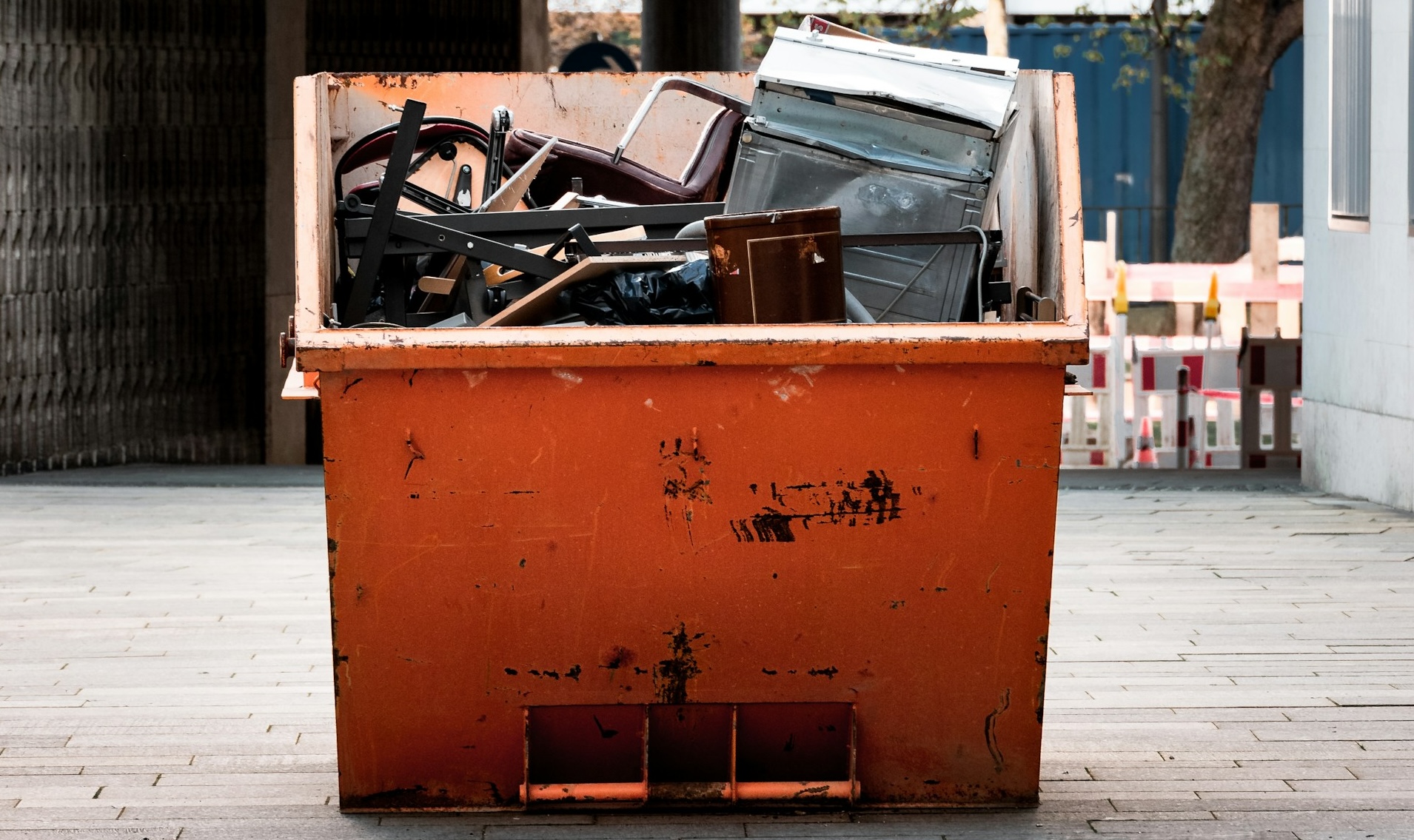
Using a roll-off dumpster is one of the easiest ways to handle a big cleanout, renovation, or roofing job. But if that dumpster sits right on your driveway without any protection, the weight and metal edges can leave behind cracks, dents, stains, or broken pavers that are expensive to fix.

Many homeowners and contractors in Westchester, Putnam, Dutchess, and nearby counties plan projects once the weather is warm and dry. That also means hot pavement, softer asphalt, and more heavy trucks coming and going. In busy project season, protecting your driveway is just as important as picking the right dumpster.  

Our goal here is simple: show you practical steps to keep your driveway safe while still getting the full convenience of a roll-off dumpster, from the day it arrives to the day it leaves.

Know Your Driveway Surface and Its Limits

Not all driveways handle weight the same way. Before you order a dumpster, it helps to know what you are working with.

Here is how common driveway types react under a loaded roll-off dumpster:

  • Asphalt: In hot weather, asphalt can soften. Heavy containers and truck tires can leave grooves, divots, or shiny tire marks. Older asphalt with cracks or patches is even more at risk.  
  • Concrete: Concrete is harder, but it can chip at the edges, spall at the surface, or crack where it is already weak or sunken.  
  • Pavers: Brick or stone pavers can shift, settle, or crack if too much weight presses on a small area. The sand or base underneath can also get rutted.  
  • Gravel: Gravel does not usually crack, but heavy weight can push deep ruts into the base. Trucks may dig into soft spots and push rocks into your lawn or garden.

Summer adds a few extra stress points. Heat can soften asphalt and expand older concrete. Repeated passes with a heavy truck on gravel or pavers can cause shifting, especially if the base is not firm.

Before you schedule a dumpster, do a quick driveway health check:

  • How old is the driveway, and has it had any past repairs?  
  • Are there visible cracks, low spots, or crumbling areas?  
  • Are there tight corners or narrow sections where truck weight might be forced onto one edge?  

If the surface already looks tired or uneven, that is a sign you will want extra protection and careful placement.

Smart Planning Before Your Dumpster Is Delivered

A little planning before delivery can save a lot of stress later. One big choice is dumpster size. Going too small may seem easier, but it often leads to overloading or needing a second container, which puts even more weight and traffic on your driveway. Picking a size that fits your project lets you load safely without packing everything into one tiny space.

Think about how you will use the driveway and where the truck can get in. Good placement tips include:

  • Choose a flat, level area away from sharp corners and weak edges.  
  • Avoid blocking drains, sidewalks, or access to your garage or front door.  
  • Stay clear of septic lids or any underground features you know about.  

On some properties, the safest spot is actually the street, if local rules allow it. That can take the weight off your driveway completely, though you may need permission from your town.

Good communication with your rental company helps a lot. When you book, describe your driveway surface and layout. It often helps to:

  • Mention any trouble spots like cracks, steep slopes, or tight turns.  
  • Share if your driveway is asphalt, concrete, pavers, or gravel  
  • Ask for placement advice based on your specific property and project  

Local drivers who work daily in Westchester, Putnam, and Dutchess counties know how to place containers in tricky spaces and can give you guidance before they even arrive.

Simple Ways to Shield Your Driveway From Damage

Once you know where the roll-off dumpster should go, the next step is to protect the surface. The easiest way to do that is by putting something between the dumpster and your driveway.

Common protective options include:

  • Thick plywood sheets laid under the container rails  
  • Sturdy lumber runners that spread out the weight  
  • Purpose-made pads or blocks designed for heavy loads  

These materials help spread the force across a larger area, which reduces dents, chips, and tire marks. They also keep the metal from scraping directly on your asphalt, concrete, or pavers during loading and pickup.

How you load the dumpster also matters. Try to:

  • Spread heavy items like broken concrete, roofing shingles, soil, and tile evenly  
  • Avoid stacking the heaviest material at one end or just near the door  
  • Mix lighter debris with heavier items so weight is balanced  

A balanced load keeps the container from pressing too hard on one edge or corner of the driveway.

When the dumpster is picked up, do a quick cleanup. Sweep or rinse the area where the container sat. This helps remove:

  • Rust dust from the metal  
  • Small nails, screws, or sharp scraps  
  • Dirt or bits of debris that could stain or scratch the surface  

A few minutes of housekeeping right after pickup keeps small marks from becoming permanent.

Manage Weight, Timing, and Access Like a Pro

Roll-off dumpsters are built for weight, but that weight still rests on your driveway. Staying within your weight limit is important for both safety and your surface.

During big cleanouts or demolition work, it is easy to keep tossing heavy debris in without thinking. Try to:

  • Keep an eye on how much dense material you add  
  • Break large chunks of concrete or roofing into smaller pieces  
  • Talk with the rental company about what counts as “heavy” for your size container  

Timing also plays a part in protecting your driveway. A very heavy container sitting in the same spot for a long stretch can slowly sink into soft asphalt or gravel, or put ongoing pressure on older concrete.

To reduce that risk:

  • Plan your project so you start loading soon after delivery  
  • Avoid keeping a full dumpster sitting for extra days if you do not need to  
  • Schedule pickup shortly after the job is wrapped up  

Truck access is another key detail. Safe, smooth access lowers the chance of scraping corners or chipping edges. Before delivery and pickup, try to:

  • Move vehicles out of the way  
  • Trim or tie back low branches that could force the truck to swing wide  
  • Clear toys, tools, and yard items from the path  

The easier it is for the driver to pull straight in and straight out, the gentler the truck can be on your driveway.

Dumpster Rental FAQs for a Smooth, Damage-Free Job

What size dumpster do I need?  

The right size depends on what you are tossing and how big the project is. A small garage or attic cleanout with mostly light junk might only need a smaller container. A full renovation, roofing job, or demolition with heavy materials usually calls for a larger size. Local providers like Mr. Cheapee, Inc. can help match the container size to your job so you avoid both overloading and getting more capacity than you need.

How much does dumpster rental cost?  

Pricing usually depends on several factors, including:

  • Size of the dumpster  
  • Length of the rental period  
  • Type of debris you are loading  
  • Service location within Westchester, Putnam, Dutchess, and nearby counties  

Getting a clear quote up front helps you plan for both the dumpster and simple driveway protection like plywood or pads.

What can I put in a dumpster?  

Most roll-off dumpsters can take:

  • General household junk and clutter  
  • Yard waste like branches and brush  
  • Construction and renovation debris  
  • Old furniture and non-hazardous building materials  
  • Roofing or siding that does not contain hazardous material  

Items like paints, chemicals, certain electronics, and appliances with refrigerants often need special handling. Always check with the rental company before loading anything you are unsure about.

How long can I keep a dumpster?  

Typical rental windows often cover several days, which is enough for most projects. Longer rentals can usually be arranged if you have a large job that will take more time. From a driveway care point of view, keeping the container for only as long as you truly need it can lower the chance of denting, rutting, or staining.

Do you offer same-day delivery?  

In many cases, same-day or next-day service is possible, especially in busy cleanup seasons, but it depends on container availability and scheduling. Calling earlier in the day during peak times gives you a better chance of getting the size you want and leaves time to plan driveway protection before the truck arrives.

By taking these simple steps, you can enjoy the convenience of a roll-off dumpster and finish your project with a clean, undamaged driveway that is ready for whatever comes next.

Get Started With Your Project Today

If you are ready to clear out clutter or prep your job site, we can help you choose the right roll-off dumpster size and schedule. At Mr Cheapee Inc, our team will walk you through simple pricing and flexible rental timelines so your project keeps moving. Have questions or need a fast quote? Just contact us and we will get you set up quickly.

Off-Hours Cleanup: Using Small Dumpster Rentals for Night and Weekend Projects

Sunday, July 5th, 2026

dumpsterOff-Hours Cleanup Made Simple

Night and weekend projects can be hard enough without a huge mess waiting for you on Monday morning. When you are squeezing in a renovation, cleanout, or small demo after work hours, you need a cleanup plan that fits your schedule and keeps the job moving.

A small dumpster rental can make that happen. It keeps debris in one place, cuts down on trips, and helps you finish faster. In this article, we will walk through why off-hours work needs special planning, how to choose the right dumpster, what you can toss, and how to keep things safe and neighbor-friendly during night and weekend projects.

Why Off-Hours Projects Need a Smarter Cleanup Plan

Many homeowners and contractors work nights and weekends to stay on track. Maybe weekday work hours are packed. Maybe you are trying to keep noise down while a business is open. In multi-family buildings, you might be trying to avoid tearing up common areas when tenants are moving around.

Off-hours projects come with their own set of headaches. Common challenges include:

  • Less daylight to see what you are doing  
  • Tighter noise rules and quiet hours  
  • Neighbors who are home and paying attention  
  • Limited chances to run to the landfill or transfer station  

Trying to handle all your debris with trash bags and car trips in those conditions is hard. Bags rip, small piles turn into big piles, and it is easy to lose steam when you are already tired from the day. When you plan disposal first, you protect your time and your energy. A small dumpster rental gives you a clear place for everything so your job stays on schedule and your space stays calmer, even if you can only work in short bursts during nights and weekends.

Choosing the Right Small Dumpster for Your Project

Not every project needs a huge container in the driveway. Many off-hours jobs match perfectly with a small dumpster rental, especially when space is tight. Common projects that work well with smaller sizes include:

  • Bathroom or partial kitchen remodels  
  • Attic, basement, and garage cleanouts  
  • Yard waste and light storm debris  
  • Small commercial fit-outs or office refreshes  

So what size dumpster do you need? A few questions help narrow it down:

  • How many rooms are you working on? One small room cleanout usually needs a smaller size than a full floor of a house.  
  • What type of materials will you toss? Heavy materials like tile, plaster, or roofing add weight quickly.  
  • How long will the project last? A quick weekend cleanout might need less capacity than a slow, multi-week remodel.  

For tight driveways or small job sites, a compact dumpster is often best. It is easier to place, easier to load, and less likely to bother neighbors or block parking. When we help someone pick a size, we like to hear a simple rundown: what you are doing, what you expect to toss, and how many days you plan to work. That is usually enough to suggest a size that will handle the debris without taking over your property.

Placement matters too. For night and weekend use, try to:

  • Place the dumpster close to the main work entrance to cut down on walking in the dark  
  • Avoid blocking sidewalks, shared driveways, or building entrances  
  • Check for any local or HOA rules about where a container can sit  

Good placement keeps loading easy and helps the project feel less disruptive, even during odd hours.

Cost, Timing, and What You Can Toss

When people plan off-hours work, a few questions come up again and again. Cost, timing, and what can go in the dumpster are usually at the top of the list.

How much does dumpster rental cost? Pricing depends on several things, including:

  • Dumpster size  
  • Type of debris  
  • Rental length  
  • Distance from our base in the Westchester, Putnam, and Dutchess area  

A small dumpster rental is often the most budget-friendly option because you are not paying for more space than you need. Since we focus on affordable service, we work to match the container to your project so you are not overpaying for unused capacity.

What can I put in a dumpster? For most household and light construction projects, you can usually toss:

  • General household junk and clutter  
  • Old furniture and non-refrigerated appliances  
  • Construction and demo debris like wood, drywall, tile, and flooring  
  • Yard waste like branches, brush, and leaves  

Items that are often restricted include paint, chemicals, oils, electronics, and appliances with refrigerant. If you are not sure about an item, it is always better to ask before it goes in.

How long can I keep a dumpster? Standard rentals are designed to give you enough time to handle a project without feeling rushed. For night and weekend work, many people like:

  • A Friday drop-off with a Monday pickup to maximize weekend time  
  • A longer rental that covers multiple evenings and one or two weekends  
  • The option to add extra days if the job runs a little long  

Planning your rental dates around your busiest work times means your dumpster is there when you actually use it, not sitting idle.

Same-Day and Weekend Delivery and Safety Tips

Off-hours projects often pop up fast. A leak turns into a bathroom tear-out, or a sudden free weekend becomes the perfect time to finally clear the garage. That is when the question comes up: do you offer same-day delivery?

When our schedule allows it, we can respond quickly to urgent requests, especially in our local service area. Availability is always better when you give a little notice, but we understand that projects do not always follow a neat timeline. To make scheduling smoother, it helps to have this information ready when you call:

  • Your address and where you hope to place the dumpster  
  • The type of project you are doing  
  • The kind of debris you expect and roughly how much  
  • When you plan to start and how many days you will be working  

With off-hours work, timing the drop-off and pickup is key. Many people prefer early morning or late afternoon deliveries, before or after normal work hours, so they can be on-site. For rentals at businesses or multi-family properties, we can plan around tenant schedules or business hours so the container is present when needed and out of the way when it should be.

Safety and courtesy matter even more at night. To keep everyone safe and comfortable:

  • Use good lighting around the dumpster and walkways  
  • Wear sturdy shoes and lift carefully to avoid strains  
  • Keep the area around the container clear to prevent trips and falls  
  • Load gently at night to avoid loud banging and clanging  
  • Never overfill the dumpster or block drivers’ views  

For simple security, close gates if you have them, avoid leaving valuable metal or tools visible, and pay attention to what goes in the dumpster so no one sneaks in restricted items overnight.

Start Your Next Off-Hours Project Clean and Under Control

When you plan disposal at the same time you plan your off-hours work, everything gets easier. You spend more time actually working and less time dragging bags around or driving back and forth to dump runs. A small dumpster rental keeps debris contained, makes your space safer, and helps you wrap up before the new week starts.

For homeowners and contractors across Westchester, Putnam, Dutchess, and nearby New York counties, Mr. Cheapee Inc. offers affordable, flexible dumpster options that fit busy lives and tight schedules. We can help you choose the right size, understand what can go in, and set up delivery and pickup around your nights and weekends so your next project stays organized from the first swing of the hammer to the final sweep.

Get Started With Your Project Today

Make debris removal the easiest part of your job with our reliable small dumpster rental service tailored to your schedule and space. At Mr Cheapee Inc, we help you choose the right size, deliver on time, and haul everything away so you can stay focused on the work that matters. If you have questions or need a custom recommendation, just contact us and we will walk you through the next steps.