Archive for June, 2026

Westchester Dumpster Trailer Rentals: Permits, Street Placement, and HOA Rules

Sunday, June 28th, 2026

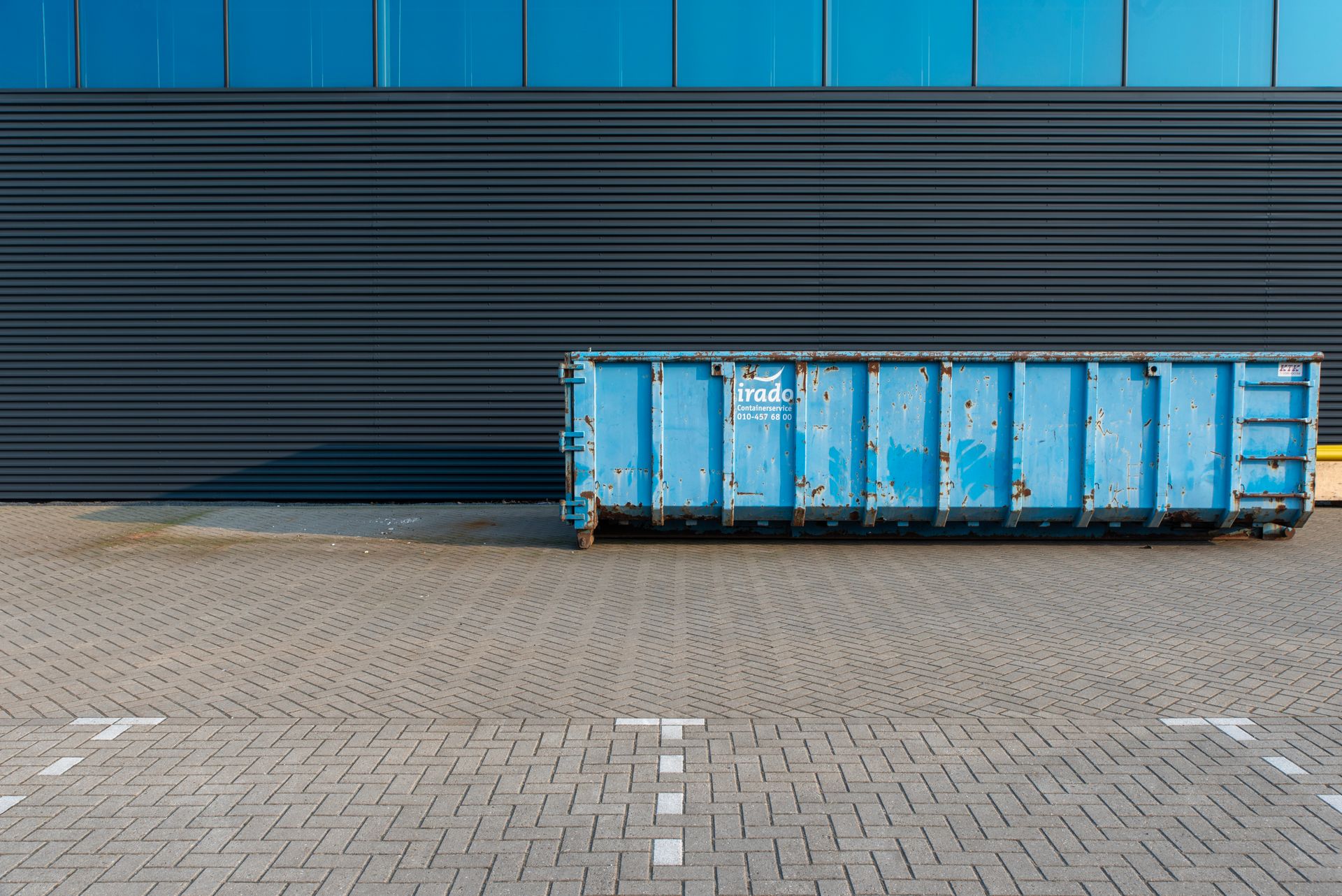
Blue metal dumpster with rust spots in front of a dark blue wall on a brick-paved lot.Westchester Driveways Are Tight, Your Dumpster Does Not Have to Be

Dumpster trailer rental is one of the easiest ways to keep a home project on track when space is tight. Around Westchester, Putnam, Dutchess, and Rockland Counties, many homes sit on narrow lots with short, shared, or steep driveways. That can make a standard roll-off container hard to place, even when the project is small and simple.

Trailer-style dumpsters give you more flexibility. They can fit into tighter corners, move when needed, and often work better when you cannot place anything directly on your private pavement. The tricky part is not the dumpster itself, it is the rules. Town permits, street placement limits, and HOA guidelines can all affect where your trailer can go and how long it can stay.

We want to help you plan around these rules before your project starts. We will walk through street versus driveway options, common permit steps in Westchester and nearby towns, and simple ways to keep both your HOA and your neighbors comfortable with your dumpster trailer rental choice.

Street Placement Basics for Dumpster Trailer Rentals

Many homeowners choose to keep a dumpster trailer on the street instead of the driveway. Common reasons include:

  • Driveway is too narrow, short, or shared  
  • The slope is too steep for safe loading  
  • Garage access needs to stay open  
  • Contractors need the driveway for materials or tools  

Most towns around Westchester and the nearby counties follow similar safety rules when a container sits on a public street. A dumpster trailer usually cannot:

  • Block fire hydrants or mailboxes  
  • Cover driveways, crosswalks, or bus stops  
  • Narrow the road so cars or emergency vehicles cannot pass  
  • Sit too close to corners where it blocks sight lines  

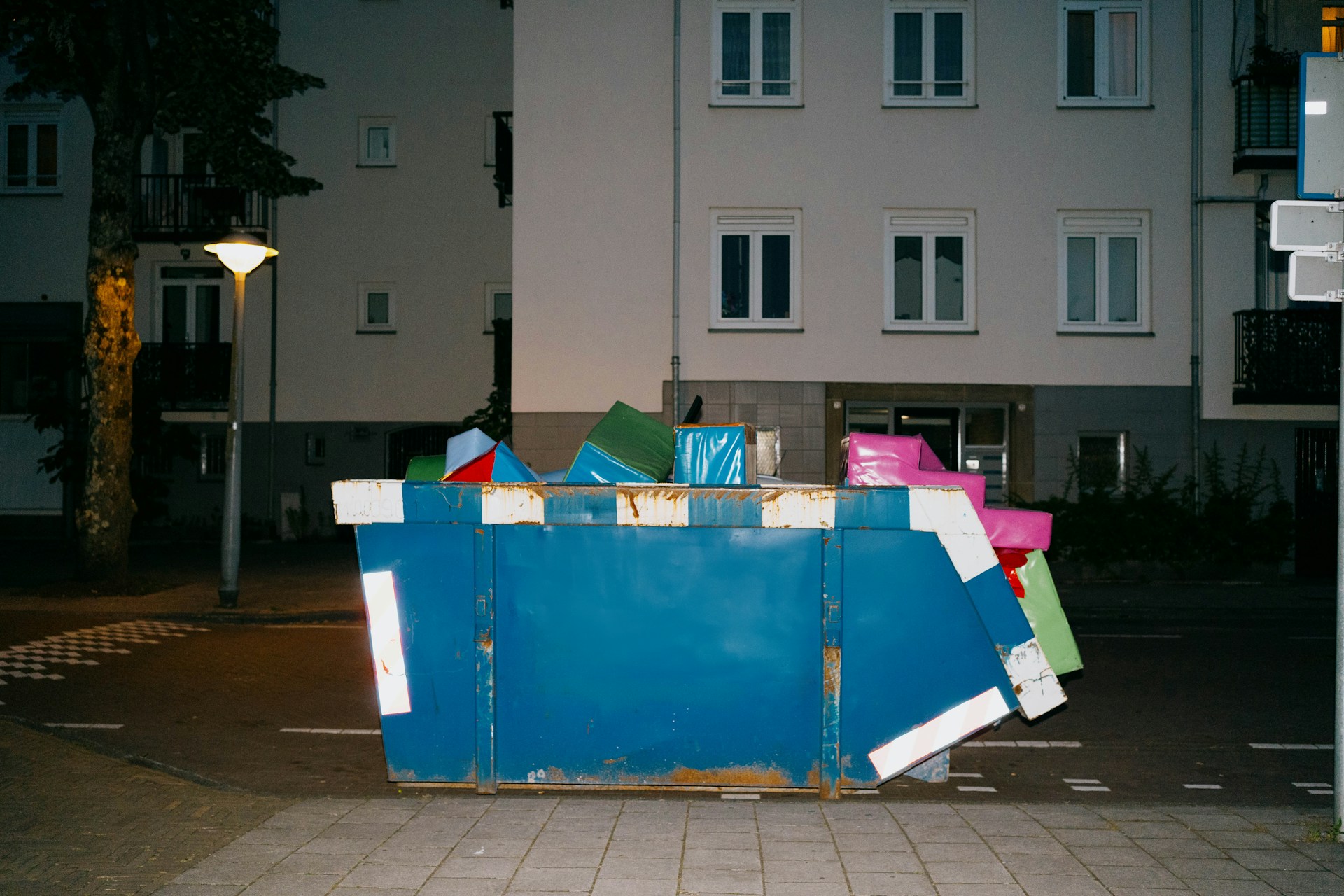
Some towns may ask for reflective tape, cones, or a small barricade at night. This helps drivers see the trailer, especially on tighter neighborhood streets. Trailer-style dumpsters are often easier to position correctly, since they can be pulled in and out more like a regular vehicle.

There are usually limits on how long the trailer can stay on the street. Many towns only allow a container to sit in the right-of-way for a short window, such as during an active project or within a set number of days. Seasonal parking rules can also matter. In some areas, there are:

  • Alternate-side parking schedules  
  • Street cleaning days  
  • Special event parking limits  

Talking with the town and, in some areas, the local police or parking authority before you book helps you avoid tickets, tows, or last-minute moves.

How Dumpster Permits Work in Westchester and Nearby Towns

A permit, in this context, is simple. It is written permission from the village, town, or city that lets you put a dumpster or trailer on public property for a short time. Most places do not ask for a permit if your dumpster trailer stays fully on private property. The rules usually change when:

  • The trailer sits on a public road or shoulder  
  • You are in a metered parking area  
  • The trailer is in a permit-only parking zone  
  • Part of the trailer crosses into the sidewalk or right-of-way  

When you apply, the town often wants to know:

  • Exact address and where the trailer will sit  
  • Size of the dumpster trailer  
  • Type of project, such as cleanout, roofing, or renovation  
  • Your expected delivery and pickup dates  

Every municipality is different. Some have simple forms and quick turnarounds, others ask for more detail or need more time. Across Westchester, Putnam, Dutchess, and Rockland, the request may go through the building department, highway department, or public works office.

As a local dumpster rental and junk removal company, we deal with area rules on a regular basis. We can share general expectations for many towns, what size trailers usually work, and when it makes sense to start permit paperwork before a busy season project.

Working Around HOA Rules and Shared Driveways

HOAs and condo boards often care less about the dumpster itself and more about how it affects the community. Their main concerns tend to be:

  • How the trailer looks from the street  
  • Noise from loading and hauling  
  • Blocked shared driveways or walkways  
  • Possible marks or damage on pavement  
  • How long the trailer will sit in view  

Common HOA requirements can include:

  • Written notice and approval before delivery  
  • Approved placement spots, such as near a unit or in a side lot  
  • Limited delivery, pickup, and loading hours  
  • A firm start and end date for your rental  

You can make approval much smoother by sharing a simple plan. It helps to:

  • Explain your project in a short note or email  
  • Choose a trailer size that fits the assigned space  
  • Use wood boards under wheels if your HOA is worried about marks  
  • Keep the area around the trailer tidy and free of loose junk  

In townhouses and homes with shared driveways, you may need to coordinate with neighbors. That could mean:

  • Leaving a clear path so cars can still enter and exit  
  • Placing the trailer to one side instead of in the center  
  • Picking a shorter rental period to reduce impact  

When everyone knows the dates and the dumpster is neat and well placed, it is much easier to keep good relationships with both neighbors and the HOA board.

Choosing the Right Dumpster Trailer for Tight Spaces

Trailer-style dumpsters work especially well in tight or awkward spots. They can often fit where a standard roll-off simply cannot, such as:

  • Short suburban driveways  
  • Narrow side alleys  
  • Small parking pads or guest spots  

When picking a size, think about both what you are tossing and where the trailer can sit. Helpful questions include:

  • Type of project, for example garage cleanout, attic purge, deck removal, or a small renovation  
  • Type of debris, like mixed household junk, construction debris, or yard waste  
  • Any HOA or town rules about maximum length or height  

As a general guide:

  • Small trailers can handle simple cleanouts, like a shed, closet, or single room  
  • Medium trailers work for basement or attic cleanouts, small kitchen or bath jobs, or light demolition  
  • Larger trailers are better for multiple-room projects, old decks, or bigger yard makeovers  

Pavement protection also matters, especially on nicer driveways or shared parking areas. To help protect the surface, you can:

  • Place wood planks under the trailer wheels  
  • Avoid tight turns across curbs and walkways  
  • Keep lids or tarps closed so light debris does not blow around  

Our team at Mr Cheapee, Inc. can help match the right trailer size and style to both your project and your space, so the container does its job without taking over your property.

Smart Planning Tips and Dumpster Rental FAQs

Planning ahead makes dumpster trailer rental much easier, especially during busy warm weather months when many people are doing cleanouts and renovations. A few simple steps can save stress:

  • Confirm HOA and town rules before you reserve a trailer  
  • Pick a clear start date so you are ready to load as soon as it arrives  
  • Stage items in the garage, yard, or a staging area for quick loading  
  • Try to avoid weekends when street parking is already tight  

Common questions we hear include:

What size dumpster do I need?  

Size depends on how much you are throwing out and what it is. A small project, like a closet or small room cleanout, may only need a smaller trailer. Medium home projects, like a basement, attic, or one-room renovation, often fit well in a mid-sized trailer. Larger multi-room updates or big outdoor tear-outs usually need more space.

How much does dumpster rental cost?  

Cost is based on several factors, including trailer size, how long you keep it, the type and weight of the material, and your location within Westchester, Putnam, Dutchess, or Rockland Counties. Talking through your project in detail helps us suggest an option that fits what you actually need.

What can I put in a dumpster?  

Most household junk, furniture, construction debris, and yard waste can go into a dumpster trailer. There are limits for certain items, such as chemicals, paints, electronics, appliances with refrigerant, and tires. It is always best to ask in advance about any item you are not sure about.

How long can I keep a dumpster?  

Standard rental periods are set so you have enough time to finish your project without dragging it out too long. If you need more time, extensions are usually possible if scheduled ahead. In HOA communities or in towns with strict street permits, a shorter rental can sometimes be smarter.

Do you offer same-day delivery?  

Same-day or next day delivery is often possible when the schedule and any needed permits line up. This can be especially helpful for last-minute cleanouts or contractor jobs that need quick debris removal so work can keep moving.

Make Your Cleanup Faster and Easier Today

Tackle your next project smoothly with Mr Cheapee Inc by reserving the right-sized dumpster trailer rental before you start. We help you choose the best option for your timeline, budget, and type of debris so you can stay on schedule. If you have questions or need a custom recommendation, just contact us and we will walk you through your options.

Choosing the Right Waste Container Rental for Summer Projects

Sunday, June 21st, 2026

waste container rentalClear Out Clutter and Kickstart Your Summer Projects
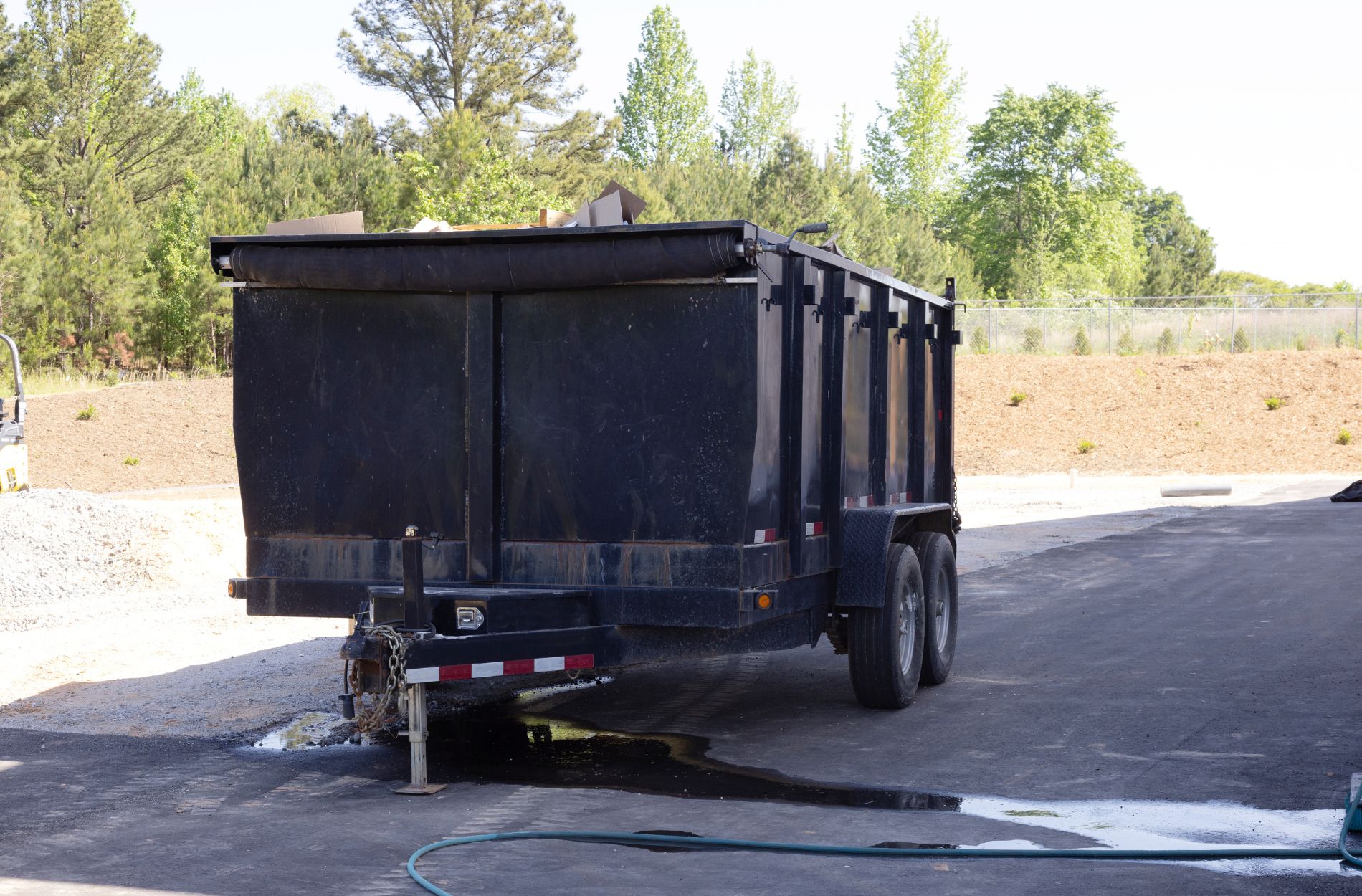
Summer is when a lot of big projects finally happen. Garages get cleared, decks come down, and old sheds or playsets get hauled away. All that work creates one big question: where does the mess go? Having the right dumpster on site keeps the job moving and your property safer and cleaner.

Planning your dumpster early is just as important as planning your materials and tools. When the container is in the driveway on day one, you are not piling junk in corners, waiting for pickups, or stopping to haul loads to the local transfer station. From deck tear-outs to basement cleanups across Westchester, Putnam, Dutchess, and Rockland counties, the right size and type of container helps you avoid delays, surprise costs, and extra trips.

Match Your Summer Project to the Right Dumpster Size

Different projects create different kinds of debris. A small cleanout might only fill a compact container, while a roof tear-off or full remodel can fill a much larger one. It helps to think about dumpster sizes in pickup truck loads so you can picture the space.

In simple terms, many rentals fall into three groups:  

  • Small dumpsters hold roughly 3 to 4 pickup loads and fit in tight driveways  
  • Medium dumpsters handle around 5 to 7 pickup loads and are good for most remodels  
  • Large dumpsters hold about 8 to 12 pickup loads and work well for big cleanouts or construction jobs  

Here’s how that lines up with common summer projects:

  • Garage or attic cleanouts: often a small or medium dumpster  
  • Bathroom or small kitchen remodel: usually a medium dumpster  
  • Roof replacement: often a medium or large dumpster, depending on square footage  
  • Whole-home cleanout: usually a large dumpster  
  • Landscaping and yard debris: small to medium, depending on trees, soil, and brush  

To estimate volume, think about how fast bulky items eat up space:

  • Couches, recliners, and mattresses fill floor space quickly  
  • Old appliances like fridges or washers are large but stackable with care  
  • Roofing shingles are dense and heavy, so weight matters more than volume  
  • Fencing, decking, and framing lumber can lay flat but stack into tall piles  
  • Pavers, bricks, and concrete pieces add a lot of weight in a small footprint  

If you are asking, “What size dumpster do I need?”, a quick rule of thumb is this: if you are cleaning one small space like a shed or half a garage, a small size often works. If you are doing a single room remodel or a full garage, think medium. If you are clearing most of a house or doing a major renovation, plan on large. When in doubt, it usually pays to choose one size bigger and talk through your project with a local dumpster rental team for a clear recommendation.

Budgeting Smartly for Your Dumpster Rental

Dumpster pricing depends on a few simple factors. The size of the container, the kind of debris you are tossing, how long you keep it, and where you are located in the service area all play a part. Some projects create light but bulky waste, while others create compact but heavy loads.

Many rental plans follow one of these basic structures:  

  • Flat-rate pricing with a set rental period and clear limits  
  • Pricing that includes a certain weight, with extra weight billed if you go over  
  • Different pricing tiers based on debris type, such as clean construction debris versus mixed junk  

Overfilling can lead to extra charges or a delay if the driver cannot safely haul the load. Putting in items that are not allowed can also add fees, since they need special handling. Keeping everything below the top edge of the container and following the item rules helps you avoid surprises.

If you are wondering, “How much does dumpster rental cost?”, the honest answer is that it depends on your exact project. A single-room remodel usually needs a smaller container and less time than a full house cleanout with years of stored items. Planning your project scope, choosing a size that fits with a little room to spare, and getting a clear quote before delivery are the best ways to keep your budget on track.

What You Can and Cannot Toss in a Summer Project Dumpster

Most summer projects produce a mix of household junk and construction debris. A rented container is designed to handle a wide range of items, but there are some clear limits for safety and environmental rules.

Common acceptable items usually include:  

  • General household junk and clutter  
  • Furniture like chairs, tables, and sofas  
  • Construction debris such as wood, drywall, tile, and flooring  
  • Non-contaminated yard waste like branches, leaves, and small shrubs  
  • Roofing shingles and simple renovation materials  

Items that usually cannot go in a dumpster include:  

  • Certain electronics that need special recycling  
  • Paints, solvents, and chemicals  
  • Propane tanks and fuel containers  
  • Hazardous materials and anything labeled as such  
  • Some types of batteries and fluorescent bulbs  

Summer often brings special items to dispose of. Old grills may be allowed if propane tanks are removed and handled separately. Worn-out pool liners, broken pool toys, and some pool equipment can often go in the container, while chemicals like chlorine must be handled in other ways. Outdoor furniture, storm-damaged lumber, and broken fencing are typically fine, as long as there are no hazardous coatings or liquids attached.

If you are unsure and asking, “What can I put in a dumpster?”, it is always best to check specific items with your rental company before loading them. A quick question at the start can prevent delays at pickup and keep everything compliant with local rules.

Rental Timing, Placement, and Same-Day Summer Service

Good timing makes a big difference in how smoothly your project runs. Most customers keep a dumpster for several days or longer, depending on the plan they choose and how much work they have lined up. If the project runs longer than expected, extensions are often possible as long as you arrange them in advance.

Placement also matters for safety and convenience. When you plan the drop-off spot, think about:

  • Choosing a flat, solid surface like a driveway  
  • Keeping the spot clear of low branches and overhead wires  
  • Making sure there is enough space for the truck to back in and set the container down  
  • Checking if your town or city needs a permit for street placement  

Summer is a busy time for cleanouts and construction, so scheduling early helps you get the size and day you want. At the same time, things come up fast, like sudden storm damage or a last-minute move. Many local providers offer fast or even same-day delivery options when schedules allow, especially across nearby counties.

If you wonder, “How long can I keep a dumpster?”, the answer usually depends on your plan, but there is often a standard rental period with the choice to extend. And if you are asking, “Do you offer same-day delivery?”, the best step is to check with the company as early in the day as possible so they can work with their route.

Make Your Summer Project Easier With Local Pros on Your Side

The right dumpster keeps your project site cleaner, safer, and more organized. Instead of stacking debris in piles or making repeated trips to drop-off centers, you can keep working and toss everything in one place. Whether you are a DIY homeowner clearing out years of clutter or a contractor trying to stay on a tight schedule, that convenience adds up.

Working with a local team that knows Westchester, Putnam, Dutchess, and Rockland counties means you get people who understand local rules, neighborhood layouts, and what kinds of projects are common in the area. At Mr. Cheapee Inc., we focus on fast, affordable dumpster rentals, junk removal, and demolition services that fit real jobs our neighbors are doing every day, from small home cleanups to larger construction work.

Dumpster Rental FAQs

What Size Dumpster Do I Need?

For a small space like a shed or half a garage, a small dumpster usually works. A single room remodel or full garage cleanout often needs a medium size. Major renovations or whole-house cleanouts typically require a large container. When in doubt, choosing one size larger and discussing your project with the rental team helps ensure you have enough capacity.

How Much Does Dumpster Rental Cost?

Pricing depends on dumpster size, the type of debris, how long you keep it, and your location. Some plans are flat-rate with a set rental period, while others include a weight allowance with fees if you go over. The best way to understand cost is to define your project, choose an appropriate size, and request a clear quote before delivery.

What Can I Put in a Dumpster?

Most household junk, furniture, construction debris, non-contaminated yard waste, and roofing shingles are usually allowed. Items such as electronics, paints, chemicals, propane tanks, fuels, hazardous materials, certain batteries, and fluorescent bulbs are typically restricted. Always confirm specific items with your provider before loading.

How Long Can I Keep a Dumpster?

Most rentals include a standard period of several days or more, depending on the plan. If your project takes longer than expected, you can often extend the rental by arranging extra time with the company in advance.

Do You Offer Same-Day Delivery?

Many local providers can offer fast or even same-day delivery when their schedule allows, especially during busy summer months. Contact the company as early in the day as possible to check availability for same-day service.

Make Your Cleanup Easier With Fast, Reliable Service

Take the stress out of your project by choosing our convenient waste container rental options sized for homes, businesses, and job sites. At Mr Cheapee Inc, we deliver on time, place the container where you need it, and haul everything away when you are done. Tell us about your timeline and volume, and we will recommend the most cost-effective solution. If you have questions or need a custom quote, just contact us and we will help you get started right away.

Small Roll-Offs for Apartments: Permits, Placement, and HOA Rules

Sunday, June 14th, 2026

small trash dumpster rental

Smooth Apartment Cleanouts Without the Headaches

Getting a small dumpster for an apartment cleanout sounds simple, until you hit the rules, tight parking, and questions about where it can even go. When you are moving out, dealing with student lease turnovers, or clearing years of stuff before a fresh start, bags at the curb or overflowing building trash rooms usually are not enough.

Many residents and property managers in Westchester, Putnam, Dutchess, and nearby counties turn to a small trash dumpster rental for things like:

  • Summer move-outs and new leases
  • Spring or early summer decluttering
  • Small kitchen or bathroom updates
  • Furniture and bulk junk that will not fit in regular cans

A small roll-off lets you get everything out in one shot, instead of piling items in hallways or waiting on limited bulk pickup days. The tradeoff is that apartments come with extra rules. You may need approvals, you have limited space for placement, and local towns can require permits, especially if you are using the street. In this guide, we walk through clear steps so your apartment dumpster rental goes smoothly, from permits to placement and HOA or landlord rules.

Choosing the Right Small Roll-Off Size for Apartments

Before anything else, you want the right size. Too small, and you are stuck with overflow. Too big, and it might not fit in your lot or be allowed by your building. Here is a simple way to think about common small roll-off sizes:

  • 10-yard dumpster: About 3 pickup truck loads, good for a typical 1-bedroom cleanout, small furniture, boxes, and light decluttering.
  • 12-yard dumpster: About 4 pickup truck loads, helpful for a 1 to 2-bedroom apartment, light remodeling debris, or a mix of furniture and junk.
  • 15-yard dumpster: About 5 pickup truck loads, often used for larger 2-bedroom units, heavier cleanouts, or a small kitchen or bathroom renovation.

For apartments and condos, the FAQ “What size dumpster do I need?” comes up a lot. It helps to think through your day-to-day logistics and what you are actually tossing. How far you will carry items matters, long hallways, elevators, or stairs can slow you down and may affect how quickly you can load the container. It also makes a difference whether you are mostly tossing bagged trash and small items versus loading lots of bulky furniture. Finally, consider whether you have help carrying heavier pieces or whether you plan to break things down first, since that can change how much space you really need.

A small trash dumpster rental is usually the safest choice for tight driveways, shared parking lots, and urban-style complexes. Smaller containers are easier to fit near an entrance without blocking cars or walkways, and they are more likely to meet building rules about appearance and space.

Permits, Parking, and Placement in Tight Spaces

Permits can feel confusing, but the basic idea is simple. Towns and cities usually care most about anything that sits on public property. In many New York communities, you may need a permit if the dumpster is:

  • On the street
  • In public parking spaces
  • On a public sidewalk

If the container sits fully on private property, like an apartment complex lot, private driveway, or a clearly marked private parking area, a town permit is often not required. Rules can change from one town to the next across Westchester, Putnam, and Dutchess counties, so it is smart to confirm with your local town hall or building office before you book.

For safe, compliant placement at an apartment, keep a few ground rules in mind:

  • Choose a flat, paved spot if possible, not soft grass or uneven ground.
  • Keep access clear for emergency vehicles and residents at all times.
  • Do not block fire hydrants, ramps, loading docks, or building entrances.
  • Leave enough room in front of the spot so the truck can drop off and pick up.

Good communication with your dumpster provider helps a lot. Sharing photos or a quick sketch of the lot ahead of time can prevent delivery-day surprises, and confirming delivery and pickup windows helps you avoid peak traffic times. It is also worth talking through weight limits and what you plan to throw away so there are no surprise fees or last-minute moves.

Navigating HOA Rules and Landlord Approvals

Most multifamily buildings have rules about dumpsters, even temporary ones. HOA boards and landlords often worry about:

  • Curb appeal and how the property looks from the street
  • Noise during delivery, pickup, and loading
  • Possible damage to pavement or pavers
  • Lost parking spots or blocked sidewalks

Because of this, many communities require advance approval before any roll-off container comes on-site. A simple checklist can save you headaches:

  • Review your lease or HOA handbook for any rules about dumpsters or bulk trash.
  • Ask where dumpsters are allowed and if there are “no-go” areas.
  • Check if the property requires wooden boards or other protection under the wheels.
  • Confirm quiet hours or time-of-day rules for delivery, pickup, and loading.

When you talk with your HOA or landlord, it helps to share specific details:

  • Dumpster size you plan to rent
  • Exact dates for drop-off and pickup
  • Provider name
  • What types of materials you will load

This lets the property team plan ahead, adjust parking, notify neighbors if needed, or reserve a loading area so everything runs smoothly.

Costs, Timeframes, and What You Can Throw Away

People in apartments often ask, “How much does dumpster rental cost?” The price for a small apartment-friendly container usually depends on:

  • Dumpster size
  • How long you keep it
  • Included tonnage or weight allowance
  • Type of debris, like household junk compared to renovation debris
  • Local disposal fees in your New York area

For “What can I put in a dumpster?” the rules are a mix of general disposal laws and property rules. In many cases, these items are allowed:

  • Furniture, mattresses when allowed locally, and rugs
  • Boxes, clothing, toys, and general household junk
  • Small appliances without chemicals, like microwaves or toasters
  • Renovation debris like cabinets, tiles, and drywall

Items that are often restricted or not allowed include:

  • Electronics, TVs, and computer equipment
  • Tires and car parts
  • Paints, chemicals, and liquids
  • Certain construction materials or heavy debris, depending on local rules

It is always smart to ask your provider for a clear “do not load” list before you start tossing items, especially if your building has its own restrictions.

Another common FAQ is “How long can I keep a dumpster?” For apartment projects, typical rental windows are often around 5 to 7 days, which works well for move-outs or short remodels. If you are doing a bigger renovation, extended rentals can usually be arranged when you book.

“Do you offer same-day delivery?” is also common, especially around busy move-out periods. Same-day or next-day service is sometimes possible, depending on the season and schedule, but it is easier to get the date and time you want if you plan ahead, especially in high-demand apartment areas.

Plan Your Next Small Dumpster Rental with Confidence

Success with a small roll-off at an apartment comes down to a short list of smart steps. Choose a size that fits your space and project, check with your town if you need a permit for any street placement, and get clear approval from your HOA or landlord before you book. Take a quick walk around your building and map out the safest spot, keeping fire lanes, walkways, and entrances open.

If you know your building has tight parking or lots of move-outs at the same time, try to schedule your small trash dumpster rental early so you can lock in a delivery window that fits the property rules and your own schedule. For apartment residents, landlords, and property managers across Westchester, Putnam, Dutchess, and nearby counties, a little planning up front makes cleanouts, decluttering, and small projects much easier to handle.

Get Started With Your Project Today

Make cleanup the easiest part of your job by choosing our reliable small trash dumpster rental options sized to fit your space and budget. At Mr Cheapee Inc, we help you pick the right container, schedule convenient delivery and pickup, and keep your project site organized from start to finish. If you are ready to move forward or have questions about which size is best, just contact us and we will walk you through the next steps.

Smart Waste Container Rental Planning for Multi-Day Events

Sunday, June 7th, 2026

Dumpster RentalsSmart Event Planning Starts with Clean Grounds

Clean grounds keep guests happy, vendors calm, and neighbors on your side. For multi-day events, trash can pile up fast. One long weekend of food, drinks, and crowds can turn a pretty field or parking lot into a messy headache if there is no plan for waste container rental.

Multi-day events have different trash needs than a single afternoon party. Fairs, concerts, tournaments, graduation weekends, and community festivals build up waste day after day. Trash does not reset overnight. If you do not plan for that buildup, containers overflow, odors get worse, and you may run into issues with local rules.

Smart waste container rental is a big part of keeping your venue clean, safe, and comfortable. The right plan helps you stay ahead of the mess, keep walkways clear, and meet local requirements. As a local dumpster rental and rubbish removal team in the Hudson Valley, we know how area venues work, how seasons affect volume, and how local regulations come into play.

Estimating Event Waste Before You Book Containers

Before you book any dumpsters, you need a rough idea of how much trash your event will create. A few key points drive waste volume:

  • Expected attendance per day  
  • Type of event, like a food-heavy fair or light snack gathering  
  • Alcohol service, which adds bottles, cans, and cups  
  • Number of vendors and food trucks  
  • Whether people stay on-site overnight

A music festival with food courts and alcohol will create far more trash than a daytime craft fair with simple snacks. A sports tournament may create steady waste from team tents, drinks, and packaging all weekend. On-site lodging brings bathroom trash, packaging, and late-night snacks that add to the pile.

Duration matters too. A three-hour evening event might only need a small container. A three-day event with long hours likely needs multiple containers and at least one pickup in between. When you plan, think about:

  • Total number of days and hours per day  
  • Peak times, like evenings or headliner shows  
  • Setup and teardown days that also produce waste

Simple planning tools help a lot. You can use:

  • Ticket sales or RSVP counts to guess daily attendance  
  • Vendor contracts to estimate how many food and retail booths you will have  
  • A 10 to 20 percent buffer in your plan in case crowds are larger than expected  
  • Separate plans for trash, recycling, and organics when your venue allows it

Choosing the Right Dumpster Sizes for Multi-Day Events

Dumpster sizing does not have to be tricky. Think less about the exact yard size and more about how your event works. Many organizers find a mix of small, medium, and large containers fits best.

Here is a simple way to think about it:

  • Smaller containers work well for neighborhood block parties or a small school event  
  • Medium containers fit school tournaments, church events, or mid-sized company outings  
  • Larger containers suit multi-stage music festivals, fairgrounds, or big graduation weekends

For a wedding weekend or corporate retreat, you may want one main container for general trash and a second container for cardboard and packaging from catering and decor. For a festival, a smart waste container rental layout can include:

  • Containers for food waste and general trash near food courts  
  • Separate containers for cardboard behind vendor rows  
  • One larger container in a staff-only area for bulky items, broken tents, and damaged displays

Placement is just as important as size. You want containers:

  • Close enough that staff will actually use them  
  • Out of guest sightlines when possible, like behind stages or tents  
  • On level ground where trucks can safely pick them up  
  • Away from tight corners that make access hard

When containers are easy for haulers to reach, pickups go faster and your schedule stays on track.

Scheduling Deliveries and Pickups for Multi-Day Events

Timing can make or break your waste plan, especially in warm weather when odor and pests show up faster. For multi-day events, think through deliveries and pickups as carefully as you plan parking or security.

Common timing options include:

  • Day-before delivery so your team can set up and vendors can unpack  
  • Overnight swaps between event days so fresh containers are ready for the morning  
  • End-of-event haul away after guests leave, but before teardown crews finish

Staggered waste container rental pickups help you avoid overflow and late-night stress. Instead of one giant pickup at the end, schedule:

  • One pickup mid-event if you expect high volume  
  • A second pickup right after the last day  
  • Extra backup times if the event might run late or add a day

This kind of schedule helps reduce safety hazards like blocked exits, slippery trash, and full bags stacked where people walk. It also helps you avoid last-minute issues if a health or fire inspector visits.

What You Can and Cannot Toss in Event Dumpsters

Not everything can go in an event dumpster, and it is much easier to set rules early than fix problems later. In most cases, acceptable items include:

  • Food waste from guests and vendors  
  • Disposable plates, cups, napkins, and utensils  
  • Simple decorations like paper banners and balloons  
  • Cardboard, packaging, and shrink wrap  
  • General guest trash from seating areas and restrooms

Some items may be restricted or need special handling, especially at larger events. Common examples include:

  • Propane tanks and fuel canisters from grills or heaters  
  • Paint, stains, and certain stage materials  
  • Electronics and appliances from temporary setups  
  • Certain construction debris from stages, booths, and sets  
  • Large metal pieces or heavy equipment parts

To keep things simple, event organizers can:

  • Brief vendors and staff on what is allowed and what is not  
  • Post clear signs at each container  
  • Create a quick “do and do not” list and share it with all teams before setup

Your rental provider can help you with clear rules based on local regulations and the type of event you are planning.

Budgeting for Waste Containers Without Surprises

No one likes surprise charges after a big event. While we will not talk specific prices, it helps to know what usually affects your cost. Common cost factors include:

  • Size of each container  
  • Number of containers on-site  
  • Rental duration for multi-day events  
  • Weight of the trash when it is hauled  
  • Distance from the venue to the disposal site  
  • Any extra haul-away trips or last-minute swaps

A few budgeting tips for multi-day events:

  • Reserve containers early, especially for busy summer weekends  
  • Compare one larger container with two or three smaller ones based on your layout  
  • Plan for a possible extra day if rain, heat, or schedule changes extend the event  
  • Leave a little room in your budget for an extra pickup if the crowd is bigger than expected

Clear communication with your local hauler goes a long way. When both sides understand the event schedule, waste types, and layout, it is much easier to avoid unexpected fees and keep your budget steady.

FAQs Event Planners Ask About Dumpster Rentals

What size dumpster do I need?  

Size depends on event type, guest count, and how many days you will run. A small school event may only need one smaller container, while a multi-day festival usually needs several larger containers and scheduled pickups. The best move is to walk through your plans with a local provider that knows common Hudson Valley events and can match sizes to your needs.

How much does dumpster rental cost?  

Pricing depends on container size, how long you keep it, what you throw away, and how often we haul it. Multi-day events often need more than one pickup, which can change the total. It helps to create a separate line in your event budget for waste container rental, instead of folding it into a general “supplies” category.

What can I put in a dumpster?  

Most general event trash is fine, including food waste, cups, plates, napkins, decorations, cardboard, and packaging. Items like propane tanks, paint, some construction debris, electronics, and large metal pieces may need special handling. Always confirm any unusual waste ahead of time.

How long can I keep a dumpster?  

For multi-day events, containers can often stay for the full run of the event, including setup and teardown days. Many planners choose mid-event swaps if they expect high volume. When you book, include your full time frame so the schedule can be built around it.

Do you offer same-day delivery?  

Same-day or rapid delivery may be possible, especially for last-minute needs or changes due to weather. But busy weekends fill up, so booking ahead is almost always better. A little early planning keeps your event cleaner and your stress level lower.

Make Cleanup the Easiest Part of Your Event

Waste planning should sit right beside power, parking, and security on your event checklist. When you treat waste container rental as a core part of your logistics, your staff and volunteers can focus on guests, not overflowing trash cans.

Many planners like to create a simple site map that marks container locations, delivery and pickup routes, and planned swap times. When everyone knows the plan before day one, cleanup feels less like a scramble and more like just another smooth part of your event. For Hudson Valley organizers, working with a local team like Mr Cheapee Inc means you get guidance that fits real venues, real crowds, and real budgets, so your multi-day event can end with clean grounds and a clear head.

Streamline Your Cleanup With Reliable Waste Container Rental

Whether you are tackling a home cleanout, renovation, or ongoing commercial work, we make it easy to keep your project site organized and on schedule. Explore our waste container rental options to find the right size and timeline for your needs with Mr Cheapee Inc. If you have questions or need help choosing, simply contact us and we will walk you through the best options for your project.