Author Archive

Maximizing Driveway Space with the Right Roll Off Dumpster

Sunday, May 17th, 2026

roll-off dumpster

Maximizing Driveway Space with the Right Roll Off Dumpster

A roll-off dumpster can make a big home project much easier, but it also takes up a lot of room. When it lands right in the middle of your driveway, regular life still has to go on. People still need to park, kids still need a safe path inside, and contractors need space to work.

We want to help you plan so your dumpster works for you, not against you. With the right size, smart placement, and a little prep, your driveway can handle big debris without turning into a big headache.

Make Room to Work: Smart Driveway Planning for Spring Projects

Late spring in New York is a busy time for cleanouts, light remodeling, and yard projects. Many homeowners in Westchester, Putnam, Dutchess, and Rockland counties use the driveway as the main work zone. It is where materials get dropped off, trash gets loaded, and everyone comes and goes.

Driveway space matters because a roll-off dumpster has to share that space with things like:

  • Family cars and visitor parking
  • Access to the garage or side door
  • Room for contractors and deliveries

When you plan ahead, you avoid blocking doors, squeezing cars, or forcing people to walk around piles of debris. The main idea is simple: pick the right size container and the right spot so you can toss out a lot, keep people safe, and still move around like normal.

Choosing the Right Roll Off Dumpster Size for Your Driveway

Before you pick a dumpster size, look closely at your driveway. Length, width, and slope all play a big role. A longer, wider, flatter driveway can fit a larger roll-off dumpster while still leaving parking space. A shorter or steeper driveway usually calls for a smaller container and more careful placement.

Here are simple size ideas many homeowners find helpful:

  • 10-yard or 12-yard: Good for spring garage cleanouts, attic junk, small shed tear-downs, or a few rooms of general clutter.
  • 20-yard: Works better for kitchen or bathroom remodels, flooring jobs, or bigger cleanouts with bulky items.
  • Larger options: Can still fit some driveways if the truck has good access and the container can sit closer to the street end.

When people ask, “What size dumpster do I need?” we think about the type of home and project. For example, many homes in this area have driveways that can fit a 20-yard container and still leave room for one car at the top or in the garage. Smaller suburban driveways may be better suited to a 10-yard or 12-yard unit, especially if the garage needs to stay clear.

If you are torn between two sizes, it often helps to think about bulky items like furniture, cabinets, and old decking. Those pieces fill space quickly. Talking through your project details with a local dumpster provider can keep you from ending up too small or wasting driveway space on something far too big.

Safe, Space-Saving Placement That Protects Your Property

A good driver can make a big difference in how much driveway space you have left. Professional roll-off drivers learn how to back into tight areas and angle the container to leave room for cars and walkways.

Smart placement usually aims to:

  • Keep a clear path to main doors and steps
  • Avoid blocking garage doors you still want to use
  • Stay away from sidewalks, neighbors’ driveways, and low wires

Protecting your driveway is just as important as saving space. Containers are heavy, especially when loaded. Common protection steps include:

  • Laying boards or plywood under the wheels or rails
  • Avoiding delicate pavers or soft edges near grass
  • Using the flattest part of the driveway to reduce shifting

In many New York neighborhoods, there are extra things to check. Some HOAs have rules about where a roll-off dumpster can sit or how long it can stay visible. If the container must sit partly or fully on the street, a permit might be needed from the local town or village, or the local town or village. Narrow suburban driveways may also require special planning so the truck can safely get in and out without clipping trees, fences, or parked cars.

What You Can Load, How Long You Keep It, and What It Costs

People often ask, “What can I put in a dumpster?” For most spring projects, the allowed items are pretty simple. Typical things that go in a roll-off dumpster include:

  • Household junk like boxes, broken furniture, and old toys
  • Renovation debris like drywall, wood, cabinets, and flooring
  • Yard waste like branches, leaves, and small shrubs, if allowed by the provider

Items that usually need to stay out include chemicals, paint, propane tanks, some electronics, and anything that is flammable or hazardous. If you are not sure about a certain item, it is always best to ask before you toss it in.

“How long can I keep a dumpster?” depends on the rental terms you choose. Many projects only need a few days, while others may need longer. It helps to think about:

  • When work will start and when the mess will be at its worst
  • How long you can spare part of your driveway space
  • Whether you want pickup right after the project wraps up

The question “How much does dumpster rental cost?” comes up a lot too. While we will not talk about exact pricing here, the main factors tend to be:

  • Dumpster size
  • Type of material you are loading
  • Weight limits and any extra weight
  • Your location and how many days you keep the container

Filling the container evenly, not over the top, can help avoid extra fees. Planning your driveway so you can load straight into the dumpster, instead of making side piles, saves time and keeps things safer.

Making Same-Day Delivery Work for Busy Spring Schedules

Many people want to know, “Do you offer same-day delivery?” Fast delivery can be very helpful when the weather clears up or when you decide to tackle a big cleanup on short notice before guests arrive.

To make same-day drop-offs go smoothly, it helps to get the driveway ready:

  • Move vehicles out of the way and plan where they will park later
  • Pick up kids’ toys, bikes, and loose items that could be in the truck’s path
  • Trim low branches if they hang over the driveway entrance
  • Decide on the exact spot and talk it through with the driver when they arrive

Good timing keeps stress low. Many homeowners choose delivery and pickup windows that avoid school runs, work commutes, and busy contractor hours. That way, the roll-off truck can get in and out quickly, and you can stay focused on the project instead of playing traffic cop.

Turn Your Driveway Into the Perfect Project Staging Area

With a little planning, your driveway can do double duty as a safe work zone and a convenient parking area. The right roll-off dumpster size, placed in the right spot, lets you toss out junk, renovation debris, and yard waste without blocking your whole life in the process.

Before you order, it helps to take a few simple steps: measure your driveway, think about what kinds of debris you will have, and map out where people and vehicles need to move. When you share those details with a local provider like Mr. Cheapee Inc, we can talk through your driveway layout and project goals and help match you with a container and setup that fit your New York property and your day-to-day routine.

Get Started With Your Project Today

Whether you are planning a cleanout, renovation, or construction job, Mr Cheapee Inc can help you keep everything on schedule and on budget. Reserve the right size roll-off dumpster so your debris is handled quickly and responsibly. If you have questions about sizing, pricing, or scheduling, simply contact us and we will walk you through the options that fit your project best.
Planning a Yard Makeover? Use a Dumpster Rental to Stay Organized

Sunday, April 5th, 2026
dumpster

Clear the Clutter, Enjoy the Yard You Envision

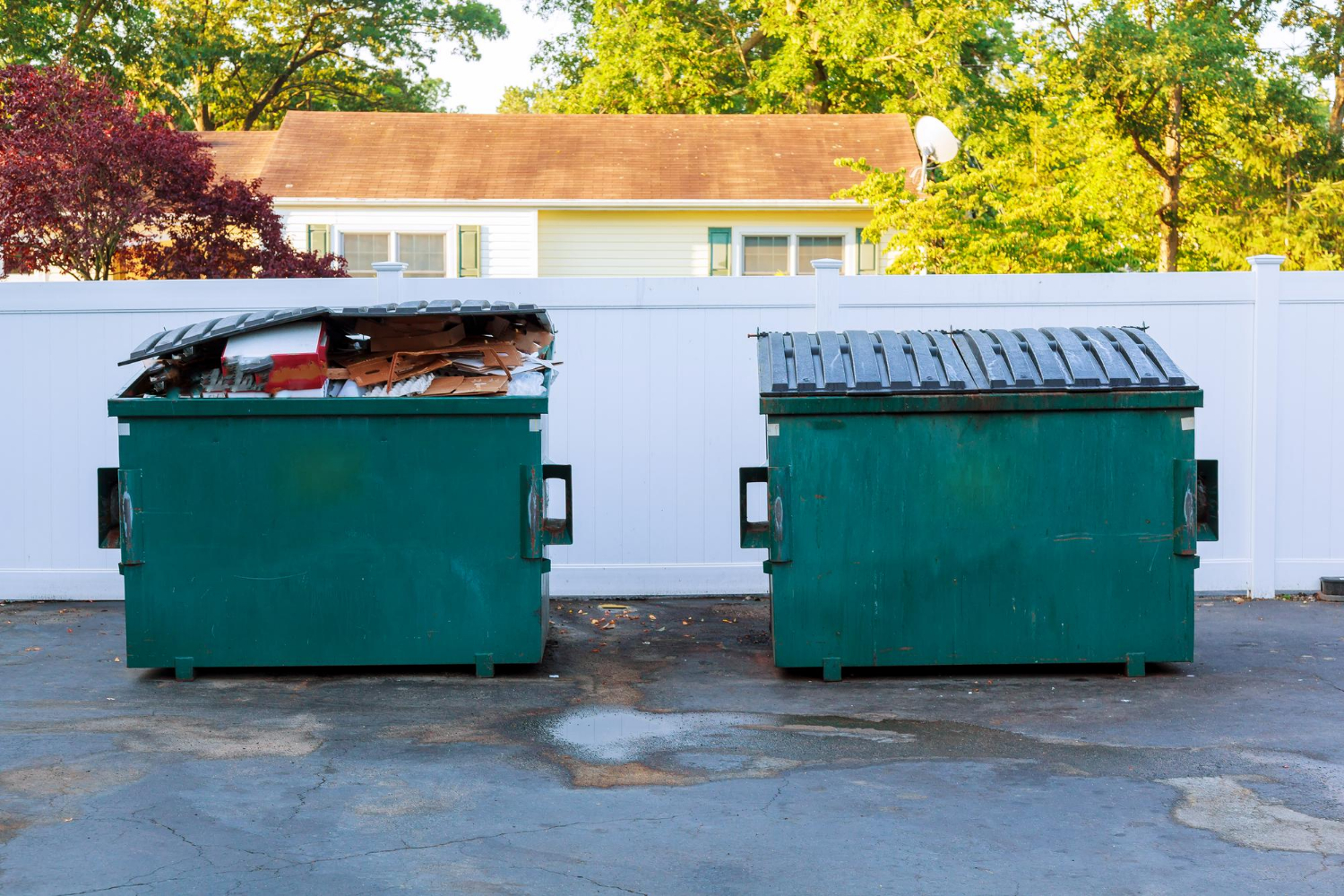
A yard makeover feels great, until you look around and see piles of branches, broken planters, old patio chairs, and bags of weeds everywhere. The fun part is planning new plants, a smoother patio, or a fresh fence. The stressful part is dealing with all the junk and debris that comes out of the ground as you go. Having a roll-off dumpster on-site turns that mess into something you can handle. Instead of hopping in the car for dump runs or stacking bags along the driveway, everything goes straight into one place. That keeps your project moving, your space safer, and your stress level lower. In the Hudson Valley, many homeowners and small businesses are working with outdoor spaces that have seen a few seasons. A local dumpster rental lets you clear out the old materials at your own pace so you can focus on building the yard you actually want, not tripping over what you are trying to remove.

Why Yard Projects Run Smoother with Dumpster Rental

Spring and early summer are popular times to fix up outdoor spaces. Common projects usually include things like:
  • Fresh landscaping or garden beds  
  • Deck repairs or full tear-outs  
  • Fence replacement or removal  
  • Shed cleanouts and small shed demolition  
  • Sidewalk, paver, or small concrete removal  
Every one of those projects creates debris. Old lumber, ripped-out fencing, weeds, soil, and broken concrete can spread across your yard fast. A dumpster rental keeps all of that in one container instead of all over your lawn or driveway. That simple change helps in a few big ways:
  • Fewer trips to the dump, which saves time and fuel  
  • A safer work area, with fewer loose boards and nails on the ground  
  • Less visual clutter, so you can actually see the progress you are making  
  • Easier coordination with landscapers or contractors who need clear space to work  
When pickup day comes, the container leaves and the mess goes with it. Cleanup is quick, and you are not left with random piles to haul away later.

Choosing the Right Dumpster Size for Your Yard Makeover

One common question is, what size dumpster do I need? The answer depends on how big your yard project is and what you are removing. For a small garden refresh or light cleanup, you might only be removing:
  • A few shrubs and small branches  
  • Some old planters and outdoor decor  
  • Light yard waste and a couple of chairs  
A smaller dumpster often works for this type of project. It fits easily in most driveways and gives you plenty of room for typical yard clutter. For a medium-size makeover, like bigger landscape changes or partial deck work, you might have:
  • Larger shrubs and small trees  
  • Sections of fencing or railing  
  • More soil, sod, or mulch bags  
  • Heavier wood from a small deck or porch  
Here, a midsize container can give you the extra room for bulky items and heavier debris, without being too big for the space you have. If you plan a full yard overhaul with tree removal, a full deck demo, or concrete patio or sidewalk removal, a larger dumpster is often the safer choice. Heavy materials such as soil, rock, and concrete can hit weight limits faster than you expect, even if the container does not look full. To avoid over or underestimating, it helps to:
  • Think through each phase of your project before the dumpster arrives  
  • Count in bulky items like shrubs, branches, and sections of fence or railing  
  • Consider heavy materials and how quickly they add weight  
If you are unsure, a quick phone conversation with a local dumpster provider can help you size your container based on your yard size and your punch list.

Budget-Smart Planning for Your Outdoor Cleanup

Another common question is, how much does dumpster rental cost? Pricing usually depends on several factors, such as:
  • Size of the container  
  • How long you keep it  
  • Type of debris, like yard waste, wood, or concrete  
  • Total weight of your load  
  • Local disposal rules and fees in the Hudson Valley  
You can also save money by planning your projects around one rental window. For example, many people like to:
  • Clear out yard waste and clean the shed  
  • Tear out that old fence or small deck  
  • Remove broken outdoor furniture and garden structures  
Doing all of that while the dumpster is on-site can be more cost-effective than spreading those tasks out over separate dump trips or multiple services. A few simple habits can help keep your project on budget:
  • Check what is allowed in the dumpster before you start loading  
  • Avoid tossing in items that need special handling, which can trigger extra fees  
  • Load heavy items first and break down large pieces when possible to save space  
Good planning lets you get more done while the container is there, without surprise costs later.

What You Can Toss and What Should Stay Out

Most people also ask, what can I put in a dumpster? For yard makeovers, acceptable items often include:
  • Branches, shrubs, leaves, and general yard waste  
  • Old lumber and wood from fences or small decks  
  • Outdoor furniture that is broken or worn out  
  • Reasonable amounts of soil, sod, or small rocks  
  • Non-hazardous renovation debris from small outdoor projects  
These items usually work fine for mixed residential or light commercial loads. They are common during spring cleanups, storm cleanup, or after tackling rotten lumber from older structures and damaged lawn gear. There are some materials that usually need special handling and should not go in a typical dumpster, like:
  • Paints and stains  
  • Solvents and harsh chemicals  
  • Tires and automotive fluids  
  • Electronics and certain appliances  
If you are unsure about a specific item, it is always smart to ask your dumpster provider before you start loading.

Timing Your Rental Around Weather and Schedules

Two more common questions are, how long can I keep a dumpster, and do you offer same-day delivery? For many outdoor projects, timing matters almost as much as size. Typical rental periods give you enough time to:
  • Clear out old clutter and yard waste  
  • Trim trees and shrubs  
  • Tear out unwanted structures or surfaces  
  • Install new features and finish final cleanup  
In the Hudson Valley, weather can change quickly, especially in spring. It often helps to plan your work in phases around your rental:
  • Day 1 to 2, clearing and bagging loose debris and small items.  
  • Next, trimming and cutting down shrubs, small trees, or old plantings.  
  • Then, heavier work like fence removal, deck tear-out, or small concrete removal.  
  • Last, final cleanup of leftover branches, scrap wood, and random clutter.  
Some providers offer same-day or next day delivery when their schedule allows. That flexibility is useful if a clear, dry weekend appears and you want to grab the chance to work outside. If your project grows, there is often an option to extend your rental or arrange an extra haul, so you do not have to rush through important steps. Planning the dumpster arrival and pickup around your project list helps you stay organized. Your yard shifts from cluttered to clean on a smooth timeline, and you can enjoy your refreshed outdoor space sooner.

Get Your Yard Makeover Rolling with Local Dumpster Help

A yard makeover does not have to mean a yard full of mess. With a simple dumpster rental and a bit of planning, you can keep debris under control, make better use of your time, and keep your project on schedule.   At Mr Cheapee Inc., we provide roll-off dumpster rentals, rubbish removal, and demolition services for residential and commercial projects throughout the Hudson Valley. We are happy to talk through dumpster sizes, answer questions about what can go in the container, and help you plan timing that fits your outdoor project and your schedule.

Get Started With Your Project Today

If you are ready to clear out clutter or prep your job site, we are here to help you choose the right dumpster rental for your needs and budget. At Mr Cheapee Inc, we work with your schedule so you can focus on the project instead of the debris. Reach out to our team with your timeline and project details, and we will recommend the best size and pricing options. If you have questions or need a quote, simply contact us and we will respond promptly.

Spring Cleanouts Made Easy with the Right Dumpster Rental

Tuesday, March 10th, 2026

Spring Cleaning Without the Stress

Spring cleanouts feel good, but they can get messy fast. Once you start pulling things out of closets, basements, and garages, piles grow, bags rip, and you are stuck wondering what to do with all that junk. That is when planning ahead makes all the difference. Having a dumpster rental on-site keeps your project simple and under control. Instead of loading your car over and over or waiting weeks for limited bulk pickup, you have one clear place to toss what you no longer need. You walk it out, drop it in, and move on. For Hudson Valley homeowners and renters, this can turn a stressful weekend into a simple, steady cleanup. When you pair spring cleaning with the right dumpster rental, you do not just clear clutter; you also save time, energy, and a lot of frustration. With a local company that offers fast delivery, clear terms, and friendly guidance, your cleanout can feel organized from start to finish.

Why a Dumpster Rental Makes Spring Cleanouts Easier

A dumpster in your driveway or near your building acts like a central drop spot. Instead of spreading trash bags and broken furniture all over your yard, you just carry items straight to the container. Walkways and driveways stay clear so you are not tripping over old boxes or piles of junk. Here is how a dumpster rental makes things easier during a spring cleanout:
  • One main spot for all throwaways  
  • No random piles sitting in corners or on the curb  
  • Less bending and re-stacking trash bags  
  • Less mess blowing around your yard
You also save a lot of time. Without a dumpster, you might be:
  • Loading your car or truck many times  
  • Driving to a transfer station or drop-off site  
  • Waiting for town pickup days and sorting by strict rules
With a dumpster rental, you can work at your own pace. You toss items as you go, without worrying about what the pickup schedule is or which site takes what. The rental sits there, ready when you are, so you can do a little each day or power through in one weekend. This setup lowers stress for everyone in the home. There are fewer arguments about where to stack bags, fewer delays, and less second-guessing. Even kids or other family members can help when the system is simple: carry the junk out and drop it in the container.

Choosing the Right Size Dumpster for Your Project

Picking the right dumpster size is a common worry, especially if you have never rented one before. The good news is you do not need to guess perfectly. You just need a rough idea of what you plan to clear out. Here are a few common spring projects and the kinds of containers people often use:
  • Small garage or attic cleanout, light household junk: smaller container  
  • Whole-house decluttering with furniture and boxes: medium container  
  • Estate cleanups with lots of bulky items: larger container  
  • Small remodeling jobs like bathroom or kitchen updates: medium container  
  • Yard debris after winter storms, including branches and old fencing: size depends on volume
When you talk through your project with a dumpster rental team, they will ask simple questions, such as:
  • How many rooms are you cleaning out?  
  • Do you have big items like couches, mattresses, or dressers?  
  • Are you doing donation runs first, or tossing most of it?  
  • Are you including any construction or remodeling debris?
A basic rule of thumb is this: if you think you are between sizes, it often makes sense to go a bit larger. That way you have room for last-minute items you forgot about in the shed, attic, or backyard. A short phone call with a local pro can fine-tune the choice so you feel confident before the container shows up.

What You Can Toss and What Should Stay Out

One of the biggest spring-cleaning questions is what can go into a dumpster and what has to be handled in a different way. Knowing this ahead of time keeps you from loading items that need to be removed later. Most spring cleanout items are fine for a standard dumpster, such as:
  • Old furniture like chairs, sofas, and tables  
  • General household junk and clutter  
  • Non-hazardous construction debris like wood and drywall  
  • Broken toys, rugs, and decor  
  • Bagged trash from closets and storage areas
Some items are usually restricted, including:
  • Paints, oils, and other chemicals  
  • Tires  
  • Electronics, depending on local rules  
  • Appliances that contain refrigerants, like old fridges or freezers  
  • Some types of batteries
These items often need special recycling or drop-off locations because they can harm the environment if tossed with regular trash. Your dumpster rental provider can explain what is allowed in your area and suggest where to take items that are not. To keep things simple as you clean, use a basic sorting system:
  • Donate: usable clothes, furniture, and household items  
  • Recycle: cardboard, certain metals, and approved plastics  
  • Hazardous or special items: chemicals, paints, certain electronics  
  • Dumpster: everything else that is safe to toss
This way nothing ends up in the wrong place, and you keep your spring project moving without extra stress.

Timing, Pricing, and Same-Day Solutions

Timing matters when you are planning a big cleanout. You want your dumpster to arrive when you are ready to work, and you want enough time with it so you are not rushed at the end. Most dumpster rentals offer a set period, with the option to add more time if you need it. Common timing questions include:
  • How long can I keep a dumpster?  
  • Can I start on a Friday and finish over the weekend?  
  • What if the weather slows me down?
A local provider can walk you through standard rental periods and help you pick dates that fit your schedule, your family plans, and the local forecast. Many people also want to know how pricing works for a dumpster rental. While exact numbers depend on your provider, the main pieces that shape your cost are usually:
  • Dumpster size  
  • Included weight limit  
  • Rental length  
  • Type of debris going in the container
Clear, upfront quotes are helpful so there are no surprises later. You can share what you are tossing and how long you think you will need the container, and get a simple price structure in return. Spring can be a busy time for cleanouts in the Hudson Valley, so same-day or next-day delivery may depend on how full the schedule is. If you can, plan a bit ahead. If plans change last minute, it never hurts to ask about same-day options so your project does not stall while clutter sits in your driveway or yard.

Plan Your Spring Cleanout Like a Pro

A little planning before the dumpster arrives can turn a big job into a smooth one. You do not need a complex system, just a short checklist. Try this simple game plan:
  • Pick your cleanout dates and set aside time  
  • Walk your home, garage, and yard to get a rough idea of volume  
  • Decide what will be donated or recycled before dumpster day  
  • Book a dumpster size that fits your project and timing  
  • Clear paths from each area to the drop spot for safe, easy carrying
In the Hudson Valley, early spring often brings milder days, which makes it a great time to empty sheds, open garage doors, and finally tackle that basement you closed up during cold weather. With better outdoor access, you can move freely between rooms, the yard, and the container without tracking in mud or snow. Once your plan is set and your dumpster is booked, you can focus on the actual goal: creating a cleaner, more open home that feels lighter heading into the warmer months. With the right dumpster rental partner, spring cleanouts become less about hassle and more about finishing a project you can feel good about.

Dumpster Rental FAQs

What Size Dumpster Do I Need?

The right size depends on how much you are clearing out and the types of items you have. Small garage or attic cleanouts often work well with a smaller container, while whole-house decluttering or estate cleanups usually call for a medium or larger container. If you are between sizes, it often makes sense to choose the next size up so you have room for last-minute items.

How Much Does Dumpster Rental Cost?

Dumpster rental pricing typically depends on several factors: the size of the dumpster, the included weight limit, how long you keep the container, and the type of debris you are tossing. A local provider can give a clear, upfront quote once you describe your project and timeline.

What Can I Put in a Dumpster?

Most household junk from spring cleanouts can go into a standard dumpster, including old furniture, general clutter, non-hazardous construction debris like wood and drywall, broken toys, rugs, decor, and bagged trash. Items such as paints, oils, chemicals, tires, certain electronics, appliances with refrigerants, and some batteries are usually restricted and may need special handling or drop-off locations.

How Long Can I Keep a Dumpster?

Rental periods vary by provider, but most companies offer a set number of days with the option to extend if you need more time. You can often schedule the container to arrive before a weekend so you can start on a Friday and finish over the next few days. Your provider can explain standard rental lengths and help you choose dates that fit your schedule.

Do You Offer Same-Day Delivery?

Availability for same-day or next-day delivery depends on how busy the schedule is, especially during peak spring cleanout season in the Hudson Valley. Many providers can offer rapid delivery when their routes allow, so it is best to call ahead when possible. If plans change suddenly, it is still worth asking about same-day options to keep your project on track.

Get Started With Your Project Today

If you are ready to clear clutter or prep a job site, Mr Cheapee Inc is here to help you plan the right dumpster rental for your needs. We will walk you through sizing, scheduling, and placement so your cleanup stays on time and on budget. Have questions or need a quote fast? Just contact us and our team will get you set up quickly.

Renting a Dumpster for Concrete and Heavy Debris Disposal

Tuesday, March 3rd, 2026

Clear Your Job Site Faster with the Right Concrete Dumpster

Concrete, brick, and other heavy debris can pile up fast. One project like a driveway tearout or patio replacement can leave you with a big, heavy mess that is not easy to move or toss in regular trash. That is where the right concrete dumpster makes a huge difference for both homeowners and contractors. Spring is a common time for outdoor work in the Hudson Valley, but these projects happen year-round. Old sidewalks get removed, cracked patios are broken up, and small structures come down. All that material needs a safe place to go. Trying to load it into a small pickup or stack it in a corner of the yard is slow, tiring, and can be unsafe. Heavy debris like concrete, asphalt, block, and stone is hard on vehicles and cannot go out with weekly trash. A specialized container for these materials lets you load everything in one spot, keep pathways clear, and keep the area safer for everyone on the job. With local, affordable services offering concrete debris bins near you, it is much easier to match the container to the project and get the job site cleaned up faster.

When You Need a Dedicated Concrete Dumpster

Not every project needs its own heavy debris container, but certain jobs are much easier when you have one on-site. Some common projects that benefit from a dedicated bin include:
  • Driveway or sidewalk removal  
  • Patio or walkway replacement  
  • Retaining wall tear-outs  
  • Foundation or footing work  
  • Storm damage cleanups with broken masonry or concrete
Concrete, brick, and block need different handling than a typical junk load. Heavy debris can hit weight limits long before a dumpster looks full. Landfills and recycling centers also have rules about these materials, so tossing them into mixed trash can cause problems or extra sorting later. Smaller cans, trailers, and pickup trucks can be damaged by the weight, especially if they are not built for it. Dedicated concrete dumpsters are designed for these loads. They are:
  • Lower and easier to load with wheelbarrows and equipment  
  • Built to handle dense, heavy material  
  • Hauled by trucks set up for the extra weight  
This setup is safer than stacking concrete in a pickup, strapping it down, and hoping you do not blow out a tire or crack a bed. Working with a local provider also keeps hauling distances shorter, which usually means smoother logistics and can help keep overall project costs more predictable when you search for options near you.

Choosing the Right Dumpster Size for Heavy Debris

With concrete and other masonry, bigger is not always better. Because the material is so dense, smaller, heavy-duty dumpster sizes are usually the smarter choice. A container can reach its safe weight limit even when it does not look full to the top. Here is a simple way to match project type to size range in general terms:
  • Small patio, short walkway, or a few fence posts: smaller heavy debris container  
  • Full driveway, long sidewalk, medium patio: medium-size bin, possibly more than one haul  
  • Multi-room renovation with slab work or several sections of concrete: multiple smaller or medium dumpsters planned in stages  
Every project is different, and weight can be tough to guess just by looking. That is why it helps when a rental team is willing to:
  • Review photos of the area  
  • Listen to what you are breaking up  
  • Ask about thickness of the slab or driveway  
  • Suggest a size and plan that fits your space and timeline  

FAQ: What Size Dumpster Do I Need?

A simple framework for “What size dumpster do I need?” looks like this:
  1. Space available on-site: Measure the driveway or access area and think about turning room for a truck.  
  2. Type of material: Pure concrete and block are heavier than mixed debris, which affects size choice.  
  3. Project duration: Short, intense projects might need one size; longer projects sometimes work better with swap-outs.  
Sharing these details with your rental company helps them recommend an appropriate size so you stay within weight limits and avoid extra trips.

Costs, Weight Limits, and Avoiding Surprise Fees

Concrete dumpster pricing is built around a few main points. While exact numbers vary, it helps to understand what usually goes into the cost:
  • Dumpster size  
  • Type of material (clean concrete versus mixed heavy debris)  
  • Weight allowance included with the rental  
  • Rental period length  
  • Job location and access  
Heavy materials are often billed differently than mixed household trash. Concrete, brick, and asphalt reach higher weights quickly, so weight limits are especially important. Staying within those limits is the key to avoiding extra charges. Keeping loads to approved materials and not overfilling above the top helps keep everything straightforward. Many people think about hauling concrete themselves in a pickup or small trailer. When you compare that to a single, well-planned dumpster, it often means:
  • Several trips back and forth to the dump  
  • Fuel and dump fees each time  
  • Extra wear and tear on your vehicle  
  • Lost time that could be spent on the actual project  

FAQ: How Much Does Dumpster Rental Cost?

For the FAQ “How much does dumpster rental cost?”, the honest answer is that it depends on size, material, and location. A good rental company will explain:
  • The base rate for the size you choose  
  • The included weight allowance  
  • What happens if the load is heavier than expected  
  • Any delivery, pickup, or extended rental fees  
Clear pricing and plain, easy language help you understand the full cost before the container arrives.

What You Can and Cannot Put in a Concrete Dumpster

Concrete dumpsters are meant for specific, heavy materials. Acceptable items usually include:
  • Clean concrete pieces and slabs  
  • Brick and block  
  • Paving stones and pavers  
  • Asphalt from driveways or small parking areas  
  • Certain masonry from walls or footings  
“Clean” concrete means it is free of trash, wood, plastic, and large amounts of metal. A bit of rebar, may be fine, but loads packed with mixed junk or soil often count as a different type of disposal. Clean loads are more likely to be recycled, which can affect how they are handled and priced. Items that should stay out of a concrete dumpster include:
  • Dirt, mud, and yard waste  
  • Household garbage or food waste  
  • Paint, solvents, and chemicals  
  • Electronics and batteries  
  • Hazardous or medical waste  

FAQ: What Can I Put in a Dumpster?

For the common FAQ, “What can I put in a dumpster?” think of your spring and summer projects. Old patio slabs, broken steps, tired walkways, and small concrete footings are usually fine when they are free of other junk. Most household trash, food waste, chemicals, and anything hazardous should stay out. For anything uncertain, it is always best to ask your rental provider before tossing it in

Rental Timelines, Delivery Options, and Job Site Logistics

A concrete dumpster rental follows a pretty simple timeline. First, you choose a size and give basic details about your job. Then you set a delivery day and time window. The dumpster is dropped where you want it, you fill it as you work, and when you are done, pickup is scheduled and the container is hauled away. For concrete work, many customers keep a dumpster for several days to a week. That gives time to break up slabs, move pieces safely, and handle any weather delays. Flexible rental periods are helpful for weekend-only projects or jobs that depend on other trades finishing first. Good placement is important, especially in parts of the Hudson Valley with narrow streets or shared driveways. When planning, think about:
  • A flat, solid surface for the dumpster  
  • Protecting the driveway, often with boards under the wheels  
  • Clearance above for the truck to lift and set the container  
  • HOA or neighborhood rules about where a dumpster can sit  

FAQ: How Long Can I Keep a Dumpster?

People often ask, “How long can I keep a dumpster?” Rental companies usually offer a standard period, often several days to a week, with options to extend if needed for an additional fee. Discuss your project schedule up front so you have enough time without paying for more days than you truly need.

FAQ: Do You Offer Same-Day Delivery?

Another common question is, “Do you offer same-day delivery?” The answer depends on location and availability, but many jobs can be serviced the same day or the next day, especially during busy seasons when schedules are active and routes are frequent. Calling early in the day and being flexible about placement can increase your chances of getting a container quickly.

Why Local Concrete Dumpster Rentals Work Best

Working with a local concrete dumpster provider often feels simpler than dealing with a far-off call center. A local team knows the roads, hills, and tighter driveways common across the Hudson Valley. That makes it easier to judge access, suggest the right spot for the container, and plan around local disposal rules. Local knowledge also helps when it comes to:
  • Recommending the right size for older, thicker slabs  
  • Planning safer routes for heavy trucks on smaller roads  
  • Understanding local weather patterns and how they affect soft ground  
On top of dumpsters, many local companies also handle related services like rubbish removal and demolition. That means you can often pair concrete dumpster rentals with help tearing out a patio, clearing a small shed, or cleaning up leftover debris, which keeps the whole job moving without juggling multiple crews. Having a real person who can answer questions about heavy debris rules, driveway protection, and weekend timing makes the whole process less stressful. When concrete, brick, and block start piling up, the right local partner keeps projects on track, job sites cleaner, and cleanup from becoming the hardest part of the work.

Get Started With Your Project Today

Whether you are handling a small patio demo or a large commercial tear-out, we have the right containers ready when you are. At Mr Cheapee Inc, you can quickly reserve the size you need by browsing our concrete dumpsters near me and scheduling delivery around your timeline. If you are not sure what size is best or have specific jobsite requirements, just contact us and we will walk you through the options so your project can move forward without delays.

Planning a Remodel? How Dumpster Rental Simplifies the Cleanup

Tuesday, February 24th, 2026

Clear the Clutter So Your Remodel Stays on Track

A remodel should feel exciting, not stressful. But when debris piles up, walkways get blocked, and trash bags stack at the curb, the project can slow down fast. Workers spend more time stepping over junk than getting real work done, and you spend more time worrying about the mess than enjoying the progress. Having a dumpster on-site changes that. With a central place for debris, the job area stays cleaner, safer, and easier to move around. Contractors can work faster, you can see what has actually been done each day, and the whole project feels more under control. In this post, we will walk through how dumpster rental services make remodel cleanup easier, especially for Hudson Valley homeowners planning late-winter and early-spring projects.

Why Cleanup Can Make or Break Your Remodel

Cleanup often feels like a side job, but it can quietly control how your remodel goes. When old drywall, broken tiles, and torn-out cabinets pile up, workers have to slow down and step around everything. That means:
  • More tripping hazards and safety worries  
  • Less room for tools, ladders, and supplies  
  • Constant “where do I put this?” questions  
Common remodel waste stacks up quickly, including:
  • Old cabinets and countertops  
  • Drywall, plaster, and insulation  
  • Flooring like tile, laminate, and carpet  
  • Doors, trim, and framing lumber  
  • Appliances and fixtures from kitchens and baths  
  • Yard debris from siding, decks, and exterior work  
Most regular garbage pickup is not designed for this type of debris. Items are bulky, heavy, and often too large for standard cans. You can try to line the curb with bags and broken parts, but that often leads to extra work, extra trips, or missed pickups. In the Hudson Valley, late winter adds its own twist. There are fewer daylight hours, and the weather can swing from dry and sunny to wet, icy, or slushy in a single week. When you only have so many good hours in a day to work outside, fast and simple debris removal lets everyone keep moving instead of wasting precious time hauling loads back and forth.

How Dumpster Rental Services Streamline Remodeling Waste

A roll-off dumpster on your property works like a cleanup command center. Instead of piles in every room or bags at every door, everything goes straight into one container. That keeps dust, nails, and broken pieces out of walkways and out of your living spaces. With a local Hudson Valley provider, the process is usually simple:
  • You choose a dumpster size based on the project  
  • The dumpster is delivered and set in a safe, convenient spot  
  • As demolition and construction move along, debris goes straight into the container  
  • When the dumpster is full or the phase of work is done, it is picked up and hauled away  
This setup works well for both homeowners and small businesses. It fits all kinds of projects, such as:
  • Kitchen or bathroom remodels  
  • Basement or attic cleanouts that tie in with a renovation  
  • Office upgrades or small retail refreshes  
  • Partial or full interior demos before a new layout  
Instead of stopping work to load a vehicle, drive to a transfer station, unload, and drive back, everyone stays on-site and focused. That means fewer interruptions and a smoother schedule.

Choosing the Right Dumpster Size and Rental Timeframe

Picking the right size does not have to be hard. Think about the rooms you are working on and how much you plan to remove. As a simple guide:
  • Small bathroom or single-room refresh: a smaller dumpster is often enough  
  • Kitchen remodel or multiple-room demo: a mid-sized container gives more breathing room  
  • Whole-home remodel, roof replacement, or larger commercial work: a bigger dumpster makes more sense  
Rental time also depends on the job. Some do-it-yourself projects only need a weekend or a few days. A contractor handling a more involved remodel might want the dumpster on-site for several weeks, especially if work is being done in stages. In late winter or early spring in the Hudson Valley, it also helps to think about:
  • Snow piles and plow routes in your driveway  
  • Mud and soft ground that might affect where a dumpster can sit  
  • Days when work may slow down because of weather  
Costs are based on a few key factors, like:
  • Dumpster size  
  • How long you keep it  
  • The type and weight of debris  
  • Your project location  
Good providers focus on clear, upfront pricing so you can plan your remodel budget without surprises.

What You Can and Cannot Toss in a Remodel Dumpster

Most general construction and household junk from a remodel can go straight into a dumpster. This usually includes:
  • Wood, framing, and trim  
  • Drywall and plaster  
  • Tile, flooring, and carpeting  
  • Countertops and cabinets  
  • Non-hazardous construction debris  
  • Some furniture and general household clutter tied to the project  
There are also items that usually cannot go in a dumpster. These often include:
  • Paints, stains, and solvents  
  • Chemicals and cleaning liquids  
  • Asbestos and certain insulation materials  
  • Certain electronics and devices  
  • Car batteries and other hazardous items  
Local and state rules matter, especially in New York, so it is always smart to talk through your debris list before your dumpster is delivered. That way you can plan separate disposal for restricted items and avoid delays or extra fees.

Making Room for Contractors, Deliveries, and Winter Weather

A well-placed dumpster can keep your job moving when space and weather are working against you. The right spot helps keep:
  • Driveways clear for contractor vehicles  
  • Paths open for material deliveries  
  • Room available for snow removal if a storm hits  
By having one central container, you cut down on trips to local transfer stations. That is a big help when roads are wet, icy, or muddy, which is common during late winter in the Hudson Valley. Less driving around means more time on the actual remodel. A few simple coordination tips:
  • Talk with your contractor about the best place for the dumpster before delivery  
  • Check with your town about permits if the container will sit near the street  
  • Time the delivery so it arrives right before demolition starts, not days after  
This kind of planning makes the whole job feel more controlled and less chaotic, from the first swing of the hammer to the final clean sweep.

Quick Answers to Your Most Common Dumpster Questions

What size dumpster do I need?  

Size depends on your project scope. A small room cleanout or minor bathroom update can often use a smaller size. A full kitchen remodel, several rooms at once, or a major cleanout usually calls for a medium or larger container. Talking through your plans with a local expert helps you avoid overfilling or paying for more space than you need.

How much does dumpster rental cost?  

Pricing is based on the size you choose, how long you keep it, the type of debris, and your location. A clear, upfront quote lets you fit the dumpster into your overall remodel budget without guessing.

What can I put in a dumpster?  

Most construction debris like wood, drywall, tile, cabinets, and non-hazardous junk is usually fine. Items like chemicals, paints, certain electronics, and other hazardous materials need special handling under New York rules, so it is smart to ask ahead.

How long can I keep a dumpster?  

Rental windows range from short-term for quick DIY jobs to longer periods for contractor projects. If late winter storms or delays stretch your timeline, many providers can extend your rental as needed, as long as you plan ahead.

Do you offer same-day delivery?  

Many local dumpster rental services can offer same-day or next-day delivery when schedules allow, especially during the busy pre-spring remodel season. Booking early for February and March projects gives you the best chance of getting the size and timing that work for you.

Start Your Remodel Cleanup Plan Before the First Swing

A smoother remodel starts with a cleanup plan. When you have a dumpster in place before demolition begins, every piece of debris has a home from day one. That keeps your home safer, your contractors happier, and your project timeline tighter. Before work starts, it helps to define your remodel scope, make a rough guess at how much waste you will have, choose a dumpster size, confirm what can go in it, and line up delivery and pickup around your contractor’s schedule. For homeowners and businesses across the Hudson Valley, planning for a dumpster as part of the remodel is one simple step that makes the whole project feel cleaner, calmer, and more under control.

Get Started With Your Project Today

Whether you are tackling a home cleanout, renovation, or a job site cleanup, we make it simple to keep debris under control with our reliable dumpster rental services. At Mr Cheapee Inc, we help you choose the right container size, schedule convenient delivery, and arrange hassle-free pickup when you are done. If you have questions or need a custom solution, just contact us and we will walk you through every step.

Common Dumpster Sizing Mistakes That Waste Time and Money

Tuesday, February 17th, 2026

Stop Guessing Dumpster Sizes and Start Saving

Dumpster sizing sounds simple, but getting it wrong can throw off a whole project. Many homeowners and contractors order a dumpster that is too small, fill it faster than expected, and then have to stop work while they wait for another container. That means extra trips, more fees, and a lot of wasted time. Sizing matters whether you are cleaning out a single room or tearing out the interior of a commercial space. In the Hudson Valley, where driveways can be narrow and streets can be steep or tight, the wrong dumpster size can also mean job-site clutter and delays. A container that is too small or too big can affect your budget, your schedule, and your stress level. In this article, we share the most common dumpster sizing mistakes and how to avoid them. We will walk through how project type, weight, space, and timing all play into the right choice. As many people start planning pre-spring cleanouts or remodeling before the busy season, a little planning now can prevent big headaches later.

Mistake 1: Underestimating How Much Junk You Really Have

One of the biggest problems we see is people guessing how much debris they will have. It is easy to look at a kitchen or a basement and think it will not be that much. But once cabinets, drywall, flooring, old furniture, and random junk start coming out, even a small space can fill a dumpster faster than expected. This happens a lot with:
  • Kitchen and bathroom remodels
  • Basement or attic cleanouts
  • Roof tear-offs
  • Estate and whole-home cleanouts
Another issue is mixing up volume and weight. A smaller dumpster might have enough room in terms of space, but heavy materials can push you over the weight limit long before the container looks full. Things like plaster, tile, roofing shingles, and old flooring are much heavier than most people think. When you underestimate:
  • You may need multiple hauls
  • You risk overage fees for extra weight
  • Your driveway or job site can get clogged with piles waiting for the next container
Often, choosing the next size up at the start would have cost less overall and kept the project moving.

What size dumpster do I need?

The best way to answer that is to describe your project. When you share details like:
  • Type of project (kitchen remodel, cleanout, demolition
  • Number of rooms or floors involved
  • Rough square footage
  • Main materials coming out
A local company like Mr. Cheapee Inc can use that information to recommend a size based on real-world experience with similar jobs.

Mistake 2: Choosing a Dumpster by Price Alone

Another common mistake is grabbing the smallest or cheapest dumpster and hoping it will work. At first, that low base price looks attractive. But if the container fills up halfway through the job, or goes over the weight limit, the total cost quickly grows. There is more to cost than the first number you hear. Typical dumpster rental pricing often includes:
  • Base price for the container size
  • A weight allowance up to a certain limit
  • A set rental period
  • Possible extra fees for additional days or tons
If you choose by price alone, you might:
  • Pay for extra pickups
  • Get billed for overweight loads at the landfill
  • Have to pause work while waiting for another container
Smart dumpster sizing means balancing size, weight allowance, and the real scope of your project.

How much does dumpster rental cost?

The answer depends on several factors:
  • Dumpster size
  • Type of material, such as household junk vs heavy debris
  • Your location in the Hudson Valley area
At Mr. Cheapee Inc, we look at these details so the price we quote matches the job you are actually doing, not just a random number on a list.

Mistake 3: Ignoring Material Type and Weight Limits

Not all debris is the same. Two dumpsters that look equally full can weigh very different amounts. If you ignore material type, you can easily overload a container. Heavy debris includes:
  • Concrete, brick, and block
  • Dirt and soil
  • Roofing shingles
  • Plaster and tile
Light but bulky debris includes:
  • Furniture and mattresses
  • Cardboard and packaging
  • Siding and trim
  • Regular household junk
Heavy materials reach weight limits much faster. A smaller dumpster filled with concrete can hit the weight cap quickly, while a larger dumpster full of furniture might be under the limit even when it looks packed. If you go over the allowed weight, landfills charge extra, and that cost is passed on. It is also important to know what you can and cannot throw away. Common restricted items often include:
  • Hazardous waste and chemicals
  • Certain electronics
  • Tires
  • Some appliances

What can I put in a dumpster?

As a general rule, most people can toss:
  • Household junk from cleanouts
  • Construction and demolition debris
  • Yard waste like branches and brush
Since rules can vary, Mr. Cheapee Inc can review your material list before delivery so you know what is allowed and what needs special handling.

Mistake 4: Forgetting About Space, Access, and Timing

Even the perfect dumpster size will not help if there is no safe place to put it. The Hudson Valley has many narrow driveways, tight streets, and hilly or uneven properties. All of these affect where a container can sit and how large it can be. Before you choose a size, think about:
  • Driveway length and width
  • Overhead wires and tree branches
  • Tight corners or narrow streets
  • Steep or uneven areas where a truck must back in
Season and timing matter too. In late winter, snow piles can block usual drop spots, and frozen or muddy ground can make placement tricky. It helps to plan where the dumpster will go and how the truck will get in and out. Many people also misjudge how long they will need the dumpster. Projects almost always take longer than expected. Keeping a container for extra days can raise your final bill, so matching the rental period to the real schedule is important.

How long can I keep a dumpster?

Typical rentals include a set number of days, with options to extend if needed. It is better to be honest about how long your project might take so the plan fits reality.

Do you offer same-day delivery?

Mr. Cheapee Inc can often provide fast delivery, especially for contractors, but it always depends on season, inventory, and scheduling. Planning ahead gives you the best shot at the timing you want.

How to Choose the Right Dumpster Size Every Time

You do not need to guess. A simple framework can make dumpster sizing much easier. For small projects, think about:
  • Single-room cleanouts
  • Small bathroom remodels
  • Small loads of household junk
For medium projects, think about:
  • Multi-room cleanouts
  • Kitchen remodels
  • Deck removals or similar light demolition
For large projects, think about:
  • Whole-home cleanouts
  • Major renovations
  • Interior or exterior demolition work
Before you call, gather a few basic details:
  • Project type and main goal
  • Rough square footage or number of rooms
  • Main materials that will go in the dumpster
  • Any space limits at the property
At Mr. Cheapee Inc, we use this information to match you with a container that fits both volume and weight for your project. This helps avoid multiple hauls, surprise fees, and mid-project slowdowns. If you are planning both demolition and dumpster rental together, we can also line up the right container to arrive when demolition starts, so debris goes straight into the dumpster instead of piling up.

Make Your Next Cleanup Easier with Smart Dumpster Sizing

Dumpster sizing does not have to be a guessing game. The most common problems come from underestimating how much junk there is, chasing the lowest price without looking at weight and timing, ignoring material type and limits, and forgetting about space and access. When you watch out for these traps, your project runs smoother from start to finish. Getting the size right means fewer trips, lower total costs, cleaner and safer job sites, and a much less stressful cleanup or demolition. As homeowners and contractors in the Hudson Valley start tackling late-winter and early-spring cleanouts, remodels, and demolition work, a short planning conversation up front can make a big difference. With a bit of project information, Mr. Cheapee Inc can help you choose a dumpster size that actually fits your plans, so you can focus on the work instead of the waste.

Get Started With Your Project Today

Choosing the right container size can save you time, money, and hassle, and our team at Mr Cheapee Inc is ready to guide you through smart dumpster sizing decisions. We will help you match your project scope to the ideal dumpster so you are not overpaying or running out of space on the job. Have questions or need a quick quote before you book? Just contact us and we will walk you through your options.

When a Small Dumpster Rental Is the Smartest Choice

Tuesday, February 10th, 2026

small dumpster

Make Cleanup Easier with the Right-Sized Dumpster

Choosing a dumpster does not have to be tricky. For many home and small business projects, a small dumpster rental is actually the smartest move. It keeps the mess in one place, saves space in your driveway, and can make cleanup go much faster. Late winter and early spring are big times for projects. People start clearing out basements, planning bathroom makeovers, trimming trees, or getting a property ready to list before the busy season. For these kinds of jobs, bigger is not always better. A large bin can take up too much room, be harder to place, and sit half-empty when you are done. A small dumpster rental often fits the work, the space, and the budget better. It can handle clutter, light remodeling debris, and yard waste without taking over your property. In this article, we will look at when a smaller bin makes sense, how to pick the right size, what affects timing, what you can toss, and how fast delivery and pickup keep your project simple.

When a Small Dumpster Rental Makes More Sense

Not every project needs a big container. Many common jobs are a perfect match for a small dumpster rental, especially around the house or for light commercial cleanup. Here are some projects where a smaller bin usually works well:
  • Single room cleanouts, like a bedroom or home office  
  • Attic, closet, or small basement decluttering  
  • Small bathroom or half-bath demolition  
  • Light kitchen updates, like replacing cabinets or countertops  
  • Yard cleanup after pruning, small tree work, or light landscaping  
  • Small office, workshop, or storefront cleanups  
A compact dumpster is easier to place in tight areas. It can often fit:
  • In shorter driveways  
  • Along the side of a house  
  • In narrow alleys or shared parking areas  
This means less chance of blocking sidewalks, driveways, or neighbors’ parking spots. A smaller container is also easier to load from ground level, so tossing items in is not as tiring. There is also a budget advantage. If you only have a moderate amount of debris, paying for a much larger dumpster that you never fill does not make sense. With a small dumpster rental, you are more likely to pay for only the space you actually need. As the year gets going and people test the waters with smaller “refresh” projects, a compact bin can be a smart first step. You can handle that first round of clutter, yard waste, or demo debris, then decide later if a bigger project is worth it.

Choosing the Right Size for Your Project

Picking the right size is one of the most common questions people have about dumpsters. Size is usually measured in cubic yards. A simple way to think about it is in pickup truck loads. A small dumpster can often hold several pickup loads of debris, so it keeps you from making trip after trip to the dump. Here are some quick rules of thumb:
  • Single-room cleanout: A small dumpster often works if you are clearing boxes, small furniture, and general clutter.  
  • Small bathroom demolition: A compact bin usually fits old tile, vanity, drywall, and fixtures.  
  • Garage purge: If you are mostly tossing old boxes, broken tools, and a few pieces of furniture, a small dumpster can be enough.  
  • Light contractor job: For minor repairs, small amounts of drywall, wood, and flooring, starting with a smaller size often makes sense.  

FAQ: What size dumpster do I need?  

The right size depends on:
  • Project type, such as cleanup, remodeling, or light demolition  
  • Debris weight, for example heavy materials like tile or roofing compared to light items like cardboard or foam  
  • Space on your property, including driveway length and width, overhead wires, and trees  
We always suggest talking through your project with a dumpster professional. At Mr. Cheapee Inc, we help right-size the container so you do not overfill a small bin or pay for a huge one you do not need. There are times when a small dumpster rental might not be enough, such as:
  • Whole-house gut renovations  
  • Large commercial demolitions  
  • Major roofing or siding replacement on big buildings  
In those cases, a larger size or even multiple containers can work better. The key is matching the bin to the job before delivery day.

Costs, Timing, and What You Can Toss Out

People also have a lot of questions about how pricing and timing usually work and what they are actually allowed to throw inside the bin.

FAQ: How much does dumpster rental cost?  

While prices vary, a few main factors shape the cost:
  • Dumpster size  
  • Length of the rental period  
  • Type and weight of debris  
  • Property location and access  
For modest cleanups, a small dumpster rental is often the most budget-friendly option, simply because you are not paying for extra capacity. Many folks are surprised by how much they can fit into a compact bin when it is loaded well.

FAQ: How long can I keep a dumpster?  

Standard rental periods give you enough time to:
  • Sort items  
  • Do the work at a comfortable pace  
  • Clean up without feeling rushed  
If your project runs longer than planned, you can usually extend the rental for more time. Flexible pickup helps keep jobs on track, whether your cleanup wraps up early or stretches out a bit.

FAQ: What can I put in a dumpster?  

In general, small dumpsters are great for:
  • Regular household junk and clutter  
  • Furniture like chairs, tables, and dressers  
  • Construction debris such as drywall, tile, flooring, and siding  
  • Non-contaminated wood and lumber  
  • Yard waste like branches, leaves, and shrubs  
Some items often have limits or special rules, including:
  • Hazardous materials and chemicals  
  • Certain electronics  
  • Paints, oils, and fuels  
  • Very heavy materials that may need special handling  
When in doubt, it is always best to ask before tossing something questionable into the container.

Fast Delivery, Same-Day Options, and Stress-Free Pickup

Timing matters on cleanup and remodel jobs. When you are ready to get moving, you do not want to wait a long time for your dumpster to show up.

FAQ: Do you offer same-day delivery?  

At Mr. Cheapee Inc, we can often provide same-day or next-day drop-off, depending on the schedule and your location. That helps when:
  • A last-minute cleanout comes up  
  • Storms leave branches and debris all over the yard  
  • Contractors need a bin quickly to stay on their remodel timeline  
The process is simple. We help you:
  • Confirm the right size based on your project  
  • Choose a safe placement spot that keeps your driveway and property protected  
  • Review basic loading tips so you do not overfill the bin or block the door  
Flexible pickup makes the end just as easy. You can plan removal ahead of time, ask for early pickup if you finish fast, or extend if your late-winter work rolls into early spring. Our team handles transportation, disposal, and local rules so you can stay focused on the job. Mr. Cheapee Inc provides affordable roll-off dumpster rentals, rubbish removal, and demolition services, with fast delivery and flexible pickup for both residential and commercial projects. With the right small dumpster rental set in place, it becomes much easier to tackle cleanouts, light remodels, and property refreshes without stress.

Get Started With Your Project Today

Make debris removal the easiest part of your job by choosing our reliable small dumpster rental service. At Mr Cheapee Inc, we help you size the container correctly so you only pay for what you need. Whether you are clearing out a garage, renovating a room, or managing a small job site, we keep drop-off and pickup simple and on schedule. Have questions or need a quick quote today? Just contact us and we will walk you through the next steps.