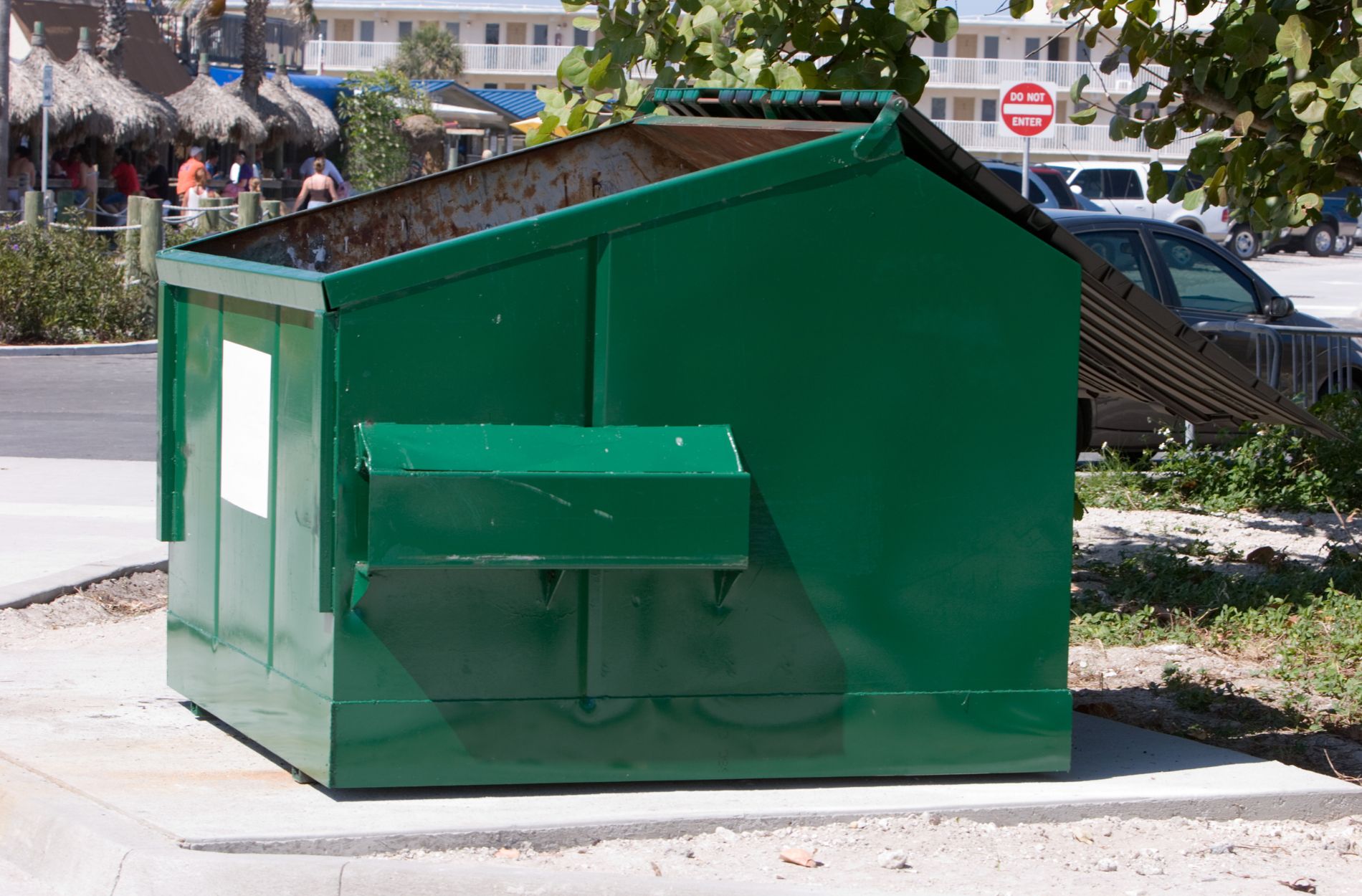
 Stop Surprise Fees by Knowing Your Debris Weight
Dumpster overage fees sneak up on people all the time. You think you are set with one roll-off container, then the final bill shows extra charges because the debris weighed more than expected. That surprise can throw off a home project, a rental property cleanout, or a small commercial job fast.
Understanding how debris weight works helps you stay in control. When you can estimate weight before the container ever arrives, you are more likely to pick the right size, load it the right way, and stay within the allowed limit. That means fewer surprises, fewer headaches, and a smoother project from start to finish.
Most rentals come with a set weight limit. If the load weighs more than that when it hits the landfill scale, you pay extra, usually by the ton. Planning ahead is the best way to avoid that. A local team that knows Hudson Valley projects, and materials can talk through what you are tossing and help you get a realistic estimate before you start loading, especially during busy spring cleanups and renovation season.
How Dumpster Weight Limits Really Work
Dumpster size and debris weight are not the same thing. Size is measured in cubic yards. That tells you how much space you have. Weight is measured in tons. That tells you how heavy the load can be before overage fees kick in. A big container full of light junk might be fine, but a smaller container packed with concrete can max out on weight quickly.
Here is what affects the final weight:
- Landfill scales: The truck gets weighed when it enters and when it leaves. The difference is the debris weight.
- Truck capacity: Trucks and containers can only carry so much weight safely. Heavy materials reach that limit fast.
- Weather and moisture: Rain, snow, and wet mud add a lot of extra pounds inside a container.
Even small changes matter. A clean load of dry lumber is very different from a mix of lumber, drywall, and wet yard waste. Dirt, rock, and roofing all push the scale number up. For many residential and light commercial rentals, the standard weight allowance is usually set to cover typical home junk, light construction debris, or yard waste. Heavy jobs often need a different plan.
Estimating Debris Weight for Common Spring Projects
You do not need to be an engineer to get a decent debris weight estimate. You just need a few simple rules of thumb and a clear idea of what you are throwing out.
Here are some common spring project materials and how they tend to behave:
- Roofing shingles: Asphalt shingles are dense. Even a small roof can create a surprisingly heavy load. Many people end up needing a smaller container used only for shingles.
- Basement and attic cleanouts: Old furniture, boxes, clothes, toys, and light household items usually fill space before they hit the weight limit.
- Kitchen and bath demo: Cabinets, tile, countertops, and drywall add up. Tile and stone are heavier than they look.
- Yard debris: Branches and leaves are pretty light when dry, but wet soil, sod, and stumps are heavy.
- Decking and fencing: Long boards stack well but have some weight, especially older pressure-treated wood.
A few simple ways to think about weight:
- Shingles: Count the number of squares on the roof. Each square has some heft, so larger roofs almost always push the weight faster.
- Household junk: A packed room of mixed household items will usually be lighter than a room full of tile or brick, even if it takes up the same space.
- Decks: The more lumber and the thicker the boards, the heavier the total load.
Sometimes it is smarter to choose a larger container for bulky, light material and a smaller one for heavy debris. Mixing heavy and light material in one box can surprise you at the scale, even if it is only half full.
Choosing the Right Dumpster Size for Your Job
When people ask, “What size dumpster do I need?”, the answer depends mostly on the type of project and the weight of the debris, not just how much space it will take up.
Here is some general guidance:
- Single room remodel: A smaller size often works for one kitchen, bathroom, or bedroom, especially if it is mostly drywall, cabinets, and flooring.
- Full house cleanout: A larger container is usually better for furniture, boxes, and general clutter. These items take up space but are not as heavy.
- Small commercial renovation: Tile, drywall, trim, and fixtures can add up quickly, so sizing and weight estimates matter more.
For especially heavy materials, like concrete, brick, dirt, or roofing shingles, a smaller container with a lower height can be safer and more cost effective. These loads hit the weight limit long before they fill the container, so using a huge size does not always help.
People also ask how long they can keep a dumpster. Most rentals come with a standard time window that is long enough for typical projects. If you need more time, you can usually extend the rental period, as long as you plan ahead. Same-day or next-day delivery is often possible when schedules and demand allow, especially for local projects in the Hudson Valley.
What You Put in the Dumpster Changes the Weight
Not all debris weighs the same. What you toss changes how quickly you hit that weight limit.
Common material categories include:
- Household junk: Furniture, toys, clothing, small appliances, and decor are usually lighter.
- Construction debris: Drywall, lumber, flooring, cabinets, and trim sit in the middle range.
- Concrete and masonry: Concrete, brick, block, and stone are very heavy.
- Yard waste: Branches and brush are light, but soil, sod, and rocks are heavy.
- Roofing: Asphalt shingles and roofing felt pack serious weight into a small space.
People also want to know, “What can I put in a dumpster?” In most cases, general household junk, construction and demolition debris, and yard waste are allowed. Some items are restricted or require special handling, like appliances that still have refrigerant, tires, liquids, and any hazardous materials. When in doubt, it is always better to ask first.
To keep weight under control:
- Do not mix dirt, rock, or concrete with light debris.
- Cover the container with a tarp if rain is in the forecast.
- Do not fill above the top rail. Overfilled loads can lead to extra fees or may not be hauled for safety reasons.
Smart Tips to Avoid Overage Fees on Your Next Dumpster Rental
A little planning at the start can save a lot of stress at the end. Treat weight like part of your project plan, just like time and tools.
Use this simple checklist:
- Talk through your project details before you book so the container size and weight limit match your debris.
- Choose the size based on material type, not just how big the space looks.
- Keep very heavy materials separate when possible and consider a dedicated box for them.
- Load heavier items first, spread out across the bottom, then stack lighter junk on top.
People also ask, “How much does dumpster rental cost?” While pricing can vary, most rentals include delivery, pickup, a set rental period, and a specific weight allowance. Overage fees usually apply only when the final weight passes that included limit, and they are commonly figured per ton over the allowance. Understanding that up front makes it easier to compare options and stay on budget.
A local team that knows the area, the landfill rules, and common project types can help you review your plan, estimate debris weight, and pick a container that makes sense for what you are throwing away. That way your project moves forward smoothly, from the first swing of a hammer to the final haul.
Dumpster Rental FAQs
What Size Dumpster Do I Need?
The right size depends on your project and debris type. Smaller sizes usually work for single-room remodels or small cleanouts, while larger containers are better for whole-house cleanouts or bigger renovations. Heavier materials like concrete or shingles often require smaller, dedicated containers so you stay within weight limits.
How Much Does Dumpster Rental Cost?
Pricing varies by size, location, rental period, and included weight allowance. Most rentals bundle delivery, pickup, a standard rental window, and a set tonnage. Overage fees only apply if your debris weight goes over that included limit and are typically charged per extra ton.
What Can I Put in a Dumpster?
You can usually dispose of general household junk, most construction and demolition debris, and yard waste. Items that may be restricted or need special handling include liquids, hazardous waste, tires, and appliances with refrigerant. Always check local guidelines before loading.
How Long Can I Keep a Dumpster?
Most providers offer a standard rental period that covers typical home and light commercial projects. If you need more time, you can often extend your rental by arranging it in advance.
Do You Offer Same-Day Delivery?
Same-day delivery is often available depending on current schedules and container availability, especially for local Hudson Valley projects. Contact the local team early in the day to check current options.
Get Started With Your Project Today
Whether you are clearing out a home, managing a construction site, or handling a large cleanup, Mr Cheapee Inc is ready to make debris removal straightforward and efficient. Explore our dumpster rental options to find the right size and schedule for your project. If you are unsure what you need or have specific job details to discuss, simply contact us so we can help you plan the best solution.
This entry was posted on Sunday, March 15th, 2026 at 5:00 pm and is filed under Blog. You can follow any responses to this entry through the RSS 2.0 feed.
You can skip to the end and leave a response. Pinging is currently not allowed.

Leave a Reply