Smooth Apartment Cleanouts Without the Headaches
Getting a small dumpster for an apartment cleanout sounds simple, until you hit the rules, tight parking, and questions about where it can even go. When you are moving out, dealing with student lease turnovers, or clearing years of stuff before a fresh start, bags at the curb or overflowing building trash rooms usually are not enough.
Many residents and property managers in Westchester, Putnam, Dutchess, and nearby counties turn to a small trash dumpster rental for things like:
- Summer move-outs and new leases
- Spring or early summer decluttering
- Small kitchen or bathroom updates
- Furniture and bulk junk that will not fit in regular cans
A small roll-off lets you get everything out in one shot, instead of piling items in hallways or waiting on limited bulk pickup days. The tradeoff is that apartments come with extra rules. You may need approvals, you have limited space for placement, and local towns can require permits, especially if you are using the street. In this guide, we walk through clear steps so your apartment dumpster rental goes smoothly, from permits to placement and HOA or landlord rules.
Choosing the Right Small Roll-Off Size for Apartments
Before anything else, you want the right size. Too small, and you are stuck with overflow. Too big, and it might not fit in your lot or be allowed by your building. Here is a simple way to think about common small roll-off sizes:
- 10-yard dumpster: About 3 pickup truck loads, good for a typical 1-bedroom cleanout, small furniture, boxes, and light decluttering.
- 12-yard dumpster: About 4 pickup truck loads, helpful for a 1 to 2-bedroom apartment, light remodeling debris, or a mix of furniture and junk.
- 15-yard dumpster: About 5 pickup truck loads, often used for larger 2-bedroom units, heavier cleanouts, or a small kitchen or bathroom renovation.
For apartments and condos, the FAQ “What size dumpster do I need?” comes up a lot. It helps to think through your day-to-day logistics and what you are actually tossing. How far you will carry items matters, long hallways, elevators, or stairs can slow you down and may affect how quickly you can load the container. It also makes a difference whether you are mostly tossing bagged trash and small items versus loading lots of bulky furniture. Finally, consider whether you have help carrying heavier pieces or whether you plan to break things down first, since that can change how much space you really need.
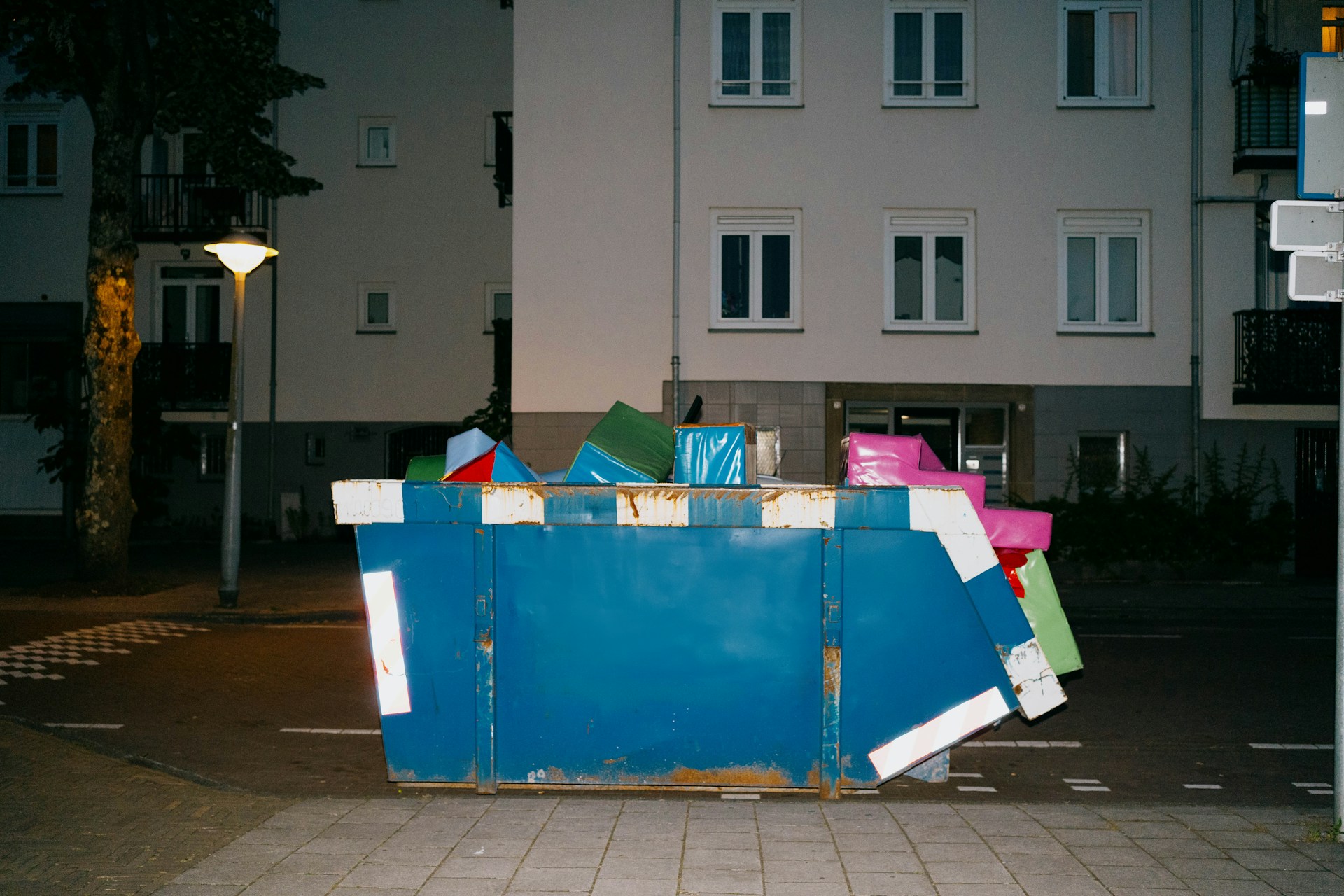
A small trash dumpster rental is usually the safest choice for tight driveways, shared parking lots, and urban-style complexes. Smaller containers are easier to fit near an entrance without blocking cars or walkways, and they are more likely to meet building rules about appearance and space.
Permits, Parking, and Placement in Tight Spaces
Permits can feel confusing, but the basic idea is simple. Towns and cities usually care most about anything that sits on public property. In many New York communities, you may need a permit if the dumpster is:
- On the street
- In public parking spaces
- On a public sidewalk
If the container sits fully on private property, like an apartment complex lot, private driveway, or a clearly marked private parking area, a town permit is often not required. Rules can change from one town to the next across Westchester, Putnam, and Dutchess counties, so it is smart to confirm with your local town hall or building office before you book.
For safe, compliant placement at an apartment, keep a few ground rules in mind:
- Choose a flat, paved spot if possible, not soft grass or uneven ground.
- Keep access clear for emergency vehicles and residents at all times.
- Do not block fire hydrants, ramps, loading docks, or building entrances.
- Leave enough room in front of the spot so the truck can drop off and pick up.
Good communication with your dumpster provider helps a lot. Sharing photos or a quick sketch of the lot ahead of time can prevent delivery-day surprises, and confirming delivery and pickup windows helps you avoid peak traffic times. It is also worth talking through weight limits and what you plan to throw away so there are no surprise fees or last-minute moves.
Navigating HOA Rules and Landlord Approvals
Most multifamily buildings have rules about dumpsters, even temporary ones. HOA boards and landlords often worry about:
- Curb appeal and how the property looks from the street
- Noise during delivery, pickup, and loading
- Possible damage to pavement or pavers
- Lost parking spots or blocked sidewalks
Because of this, many communities require advance approval before any roll-off container comes on-site. A simple checklist can save you headaches:
- Review your lease or HOA handbook for any rules about dumpsters or bulk trash.
- Ask where dumpsters are allowed and if there are “no-go” areas.
- Check if the property requires wooden boards or other protection under the wheels.
- Confirm quiet hours or time-of-day rules for delivery, pickup, and loading.
When you talk with your HOA or landlord, it helps to share specific details:
- Dumpster size you plan to rent
- Exact dates for drop-off and pickup
- Provider name
- What types of materials you will load
This lets the property team plan ahead, adjust parking, notify neighbors if needed, or reserve a loading area so everything runs smoothly.
Costs, Timeframes, and What You Can Throw Away
People in apartments often ask, “How much does dumpster rental cost?” The price for a small apartment-friendly container usually depends on:
- Dumpster size
- How long you keep it
- Included tonnage or weight allowance
- Type of debris, like household junk compared to renovation debris
- Local disposal fees in your New York area
For “What can I put in a dumpster?” the rules are a mix of general disposal laws and property rules. In many cases, these items are allowed:
- Furniture, mattresses when allowed locally, and rugs
- Boxes, clothing, toys, and general household junk
- Small appliances without chemicals, like microwaves or toasters
- Renovation debris like cabinets, tiles, and drywall
Items that are often restricted or not allowed include:
- Electronics, TVs, and computer equipment
- Tires and car parts
- Paints, chemicals, and liquids
- Certain construction materials or heavy debris, depending on local rules
It is always smart to ask your provider for a clear “do not load” list before you start tossing items, especially if your building has its own restrictions.
Another common FAQ is “How long can I keep a dumpster?” For apartment projects, typical rental windows are often around 5 to 7 days, which works well for move-outs or short remodels. If you are doing a bigger renovation, extended rentals can usually be arranged when you book.
“Do you offer same-day delivery?” is also common, especially around busy move-out periods. Same-day or next-day service is sometimes possible, depending on the season and schedule, but it is easier to get the date and time you want if you plan ahead, especially in high-demand apartment areas.
Plan Your Next Small Dumpster Rental with Confidence
Success with a small roll-off at an apartment comes down to a short list of smart steps. Choose a size that fits your space and project, check with your town if you need a permit for any street placement, and get clear approval from your HOA or landlord before you book. Take a quick walk around your building and map out the safest spot, keeping fire lanes, walkways, and entrances open.
If you know your building has tight parking or lots of move-outs at the same time, try to schedule your small trash dumpster rental early so you can lock in a delivery window that fits the property rules and your own schedule. For apartment residents, landlords, and property managers across Westchester, Putnam, Dutchess, and nearby counties, a little planning up front makes cleanouts, decluttering, and small projects much easier to handle.
Get Started With Your Project Today
Make cleanup the easiest part of your job by choosing our reliable small trash dumpster rental options sized to fit your space and budget. At Mr Cheapee Inc, we help you pick the right container, schedule convenient delivery and pickup, and keep your project site organized from start to finish. If you are ready to move forward or have questions about which size is best, just contact us and we will walk you through the next steps.

Leave a Reply