Match Your Remodel Debris to the Right Dumpster Size
Picking the right dumpster size starts with knowing what you are actually throwing away. Drywall, flooring, cabinets, and fixtures all pile up in different ways. Some are light but take a lot of space. Others are dense and heavy and can hit weight limits before the dumpster looks full.
Guessing on dumpster sizing can cause real headaches. If you go too big, you pay for space you never fill. If you go too small, you run out of room halfway through the job and work has to stop while you wait for another container. That can throw off your whole schedule.
Our goal here is to help homeowners and contractors in Westchester, Putnam, and Dutchess Counties match their remodel debris to the right roll-off size. When you plan ahead based on material type, your project moves smoother and cleanup is simpler.
How Dumpster Sizing Actually Works for Remodels
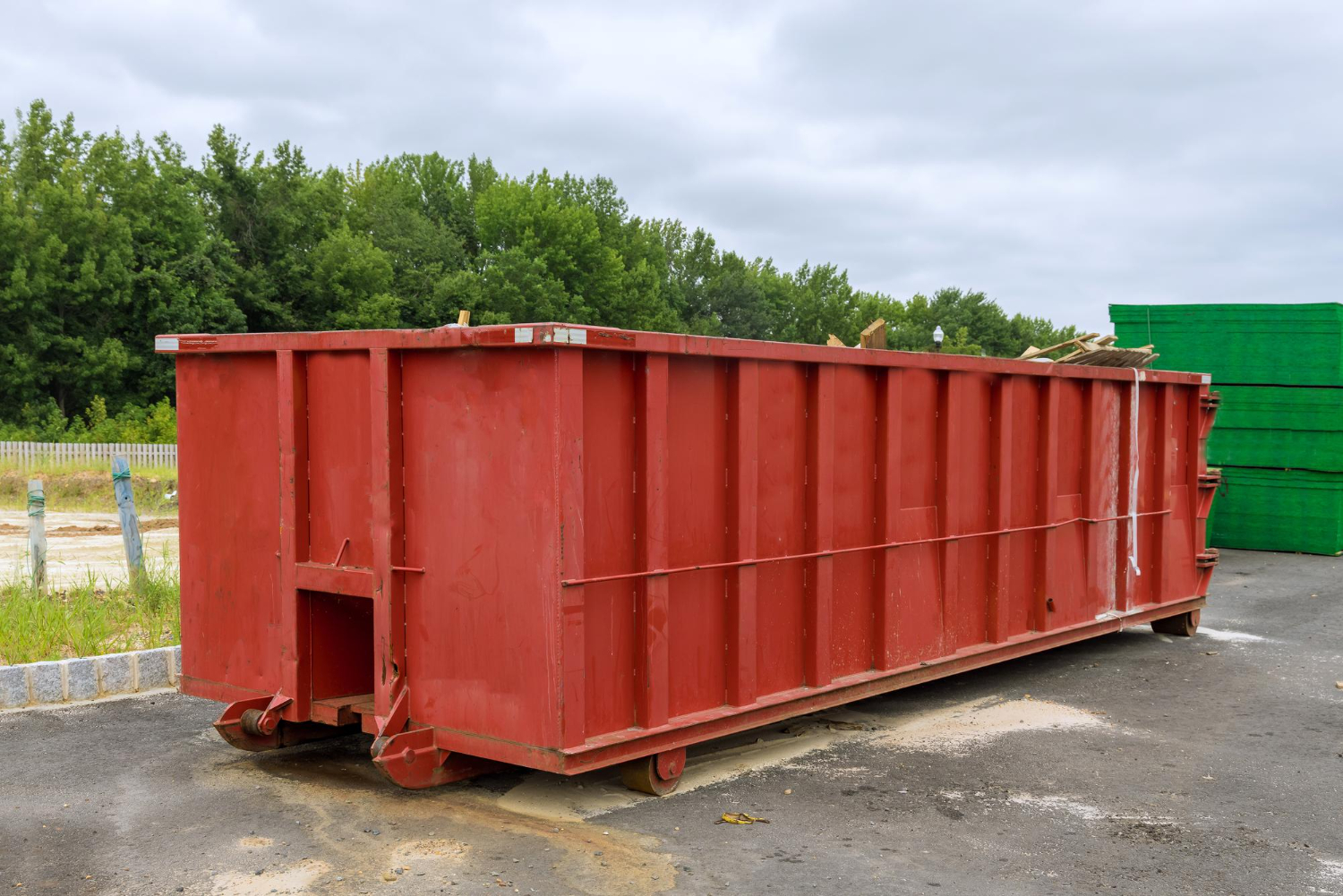
Dumpster sizes are measured in cubic yards. A 10 yard dumpster holds about 10 cubic yards of debris; a 15 yard holds 15, and so on. The most common sizes for remodels are:
- 10 yard
- 15 yard
- 20 yard
- 30 yard
Cubic yards measure volume, or how much space your debris takes up. But there is another piece that matters just as much: weight. Every dumpster has a weight limit. If you load heavy materials like tile or stone, you may hit that limit even when the container is not filled to the top.
So you always want to think about two limits at the same time:
- Volume: Will everything physically fit inside?
- Weight: Will the load stay within the included weight to avoid extra charges?
Around the Hudson Valley, fall projects often include kitchen and bath updates before the holidays and basement or garage cleanouts before winter. Kitchens and baths usually mix heavy items like tile, tubs, and countertops, so they tend to need a bit more room and careful planning. Cleaner jobs, like pulling old paneling or light flooring, are more about volume than weight.
Drywall and Plaster: Light but Bulky Debris
Drywall and sheetrock are lighter than many people expect, but they are very bulky. Full sheets, broken pieces, and dust all pile up fast. When you start taking down walls or ceilings, the volume adds up even from a single room.
Here is a simple way to think about drywall jobs:
- Small bedroom or home office wall removal is often fine with a 10-yard dumpster, if you are mostly removing drywall and a bit of framing.
- Multiple rooms or an entire floor of drywall usually fits better in a 15 or 20 yard dumpster, especially if you are doing walls and ceilings together.
Older homes in parts of Westchester and Putnam Counties often have plaster and lath instead of modern drywall. Plaster and lath are much heavier. Even though it breaks apart into chunks, the weight per cubic yard is a lot higher than drywall.
With plaster and lath, you might choose a larger size for two reasons:
- You need a bit more volume for all the pieces of wood lath and broken plaster.
- You want enough room to spread the weight so you stay within the dumpster’s weight limit.
For any wall job, stacking drywall or plaster pieces flat and tight will help you get the most use out of your container.
Flooring, Cabinets, and Fixtures: Heavier Remodel Materials
Flooring is where weight can surprise you. Not all floors are the same, even if the room size is similar.
Here is how common types compare:
- Carpet and pad: Light, fluffy, and easy to compress. You can fit a lot into a 10 or 15 yard dumpster, even from several rooms.
- Laminate and vinyl plank: Heavier than carpet but still fairly light. A small to mid-size dumpster usually works for a couple of rooms.
- Hardwood: Denser and heavier, especially older solid wood. Longer boards take more space and weight.
- Tile and stone: Very heavy. Even a bathroom or small kitchen of tile can get you close to weight limits in a 10 or 15 yard dumpster.
Cabinets and countertops add bulk as well as weight. For kitchens, a simple guide is:
- Partial kitchen remodel with a few cabinets and a short countertop run might fit in a 10-yard dumpster if you are not adding much flooring or wall material.
- Full kitchen tear-out with upper and lower cabinets, countertops, backsplash, and some flooring usually calls for at least a 15 yard dumpster, and often a 20 yard, especially when tile or stone are involved.
Fixtures and other bulky items also matter. Tubs, shower surrounds, vanities, interior doors, and closet systems take up a lot of space even when they are not very heavy. If you are throwing away:
- A bathtub or shower unit
- Several interior doors and trim
- Multiple vanities or closet units
you may want to move up one size from what the flooring or drywall alone would suggest. Mixing heavy flooring with large bulky fixtures can fill a mid-size dumpster fast.
Mixing Materials Without Overloading Your Dumpster
Most real remodels create mixed debris. Drywall, flooring, cabinets, and fixtures often come out of the same space. When you mix these, you have to think smart about both size and how you load.
Here are sample project bundles with common size choices:
- Small bathroom gut with tile, vanity, toilet, and some drywall: often a 10 yard dumpster works, as long as the tile area is not huge.
- Standard kitchen remodel with cabinets, countertops, flooring, and some wall changes: a 15 or 20 yard dumpster is usually safer, especially when there is tile, stone, or heavier flooring.
- Main floor update with several rooms of new flooring, trim, doors, and light fixtures: a 20 or 30 yard dumpster may be better, since you have a mix of long pieces, bulky doors, and possibly some heavier materials.
To load your dumpster efficiently, especially in cooler fall weather when outdoor work is more comfortable, try these tips:
- Break down cabinets by removing doors and knocking apart boxes so they stack flat.
- Stack drywall and plaster pieces flat and tight, instead of tossing them in randomly.
- Place heavy materials like tile, stone, and hardwood on the bottom so the load is stable.
- Stand doors and long trim on the side when possible, inside the walls of the dumpster, to save floor space.
- Fill gaps with smaller items so air pockets do not waste room.
Good loading can let a smaller dumpster handle more debris without going over the top rail.
Local Dumpster Rental FAQs for Remodel Projects
What size dumpster do I need?
Start by thinking about:
- The number of rooms you are working on
- The main material types (light drywall or heavy tile and stone)
- Whether you are doing a light update or a full gut
For mixed jobs, it often makes sense to step up one size. Many people find that going slightly bigger costs less than needing a second haul in the middle of the project.
How much does dumpster rental cost?
Costs depend on several things:
- Dumpster size
- Material weight
- Local disposal fees for your area in Westchester, Putnam, or Dutchess County
- How long you keep the dumpster on-site
Heavy materials like tile, stone, and plaster can raise disposal costs, so it helps to be clear about what you plan to load.
What can I put in a dumpster?
Most common remodel debris is fine, including:
- Drywall, sheetrock, and plaster
- Wood and framing lumber
- Flooring, carpet, tile, and underlayment
- Cabinets, countertops, and interior doors
- Non-hazardous fixtures like toilets, sinks, and tubs
Items such as paints, chemicals, or anything with refrigerant usually need special handling and should not go into a standard roll-off.
How long can I keep a dumpster?
Rental windows are typically set for a standard period, with flexibility if your remodel runs longer than planned. If you know your job might stretch out, you can discuss longer rental options ahead of time so the container fits your schedule.
Do you offer same-day delivery?
Same-day or next-day delivery is often available for local homeowners and contractors, especially when you plan ahead. Fall can be a busy season for remodels, so booking your size and dates early helps make sure you get the container you need, when you need it.
Get Started With Your Project Today
Choosing the right roll-off container is easier when you have clear, expert guidance on dumpster sizing tailored to your debris and space. At Mr Cheapee Inc, we help you match your project scope with the most efficient dumpster so you avoid extra costs and delays. If you have questions or need a quick quote, just contact us and we will walk you through the options step by step.

Leave a Reply