What Happens to Your Junk After a Dumpster Rental Pickup
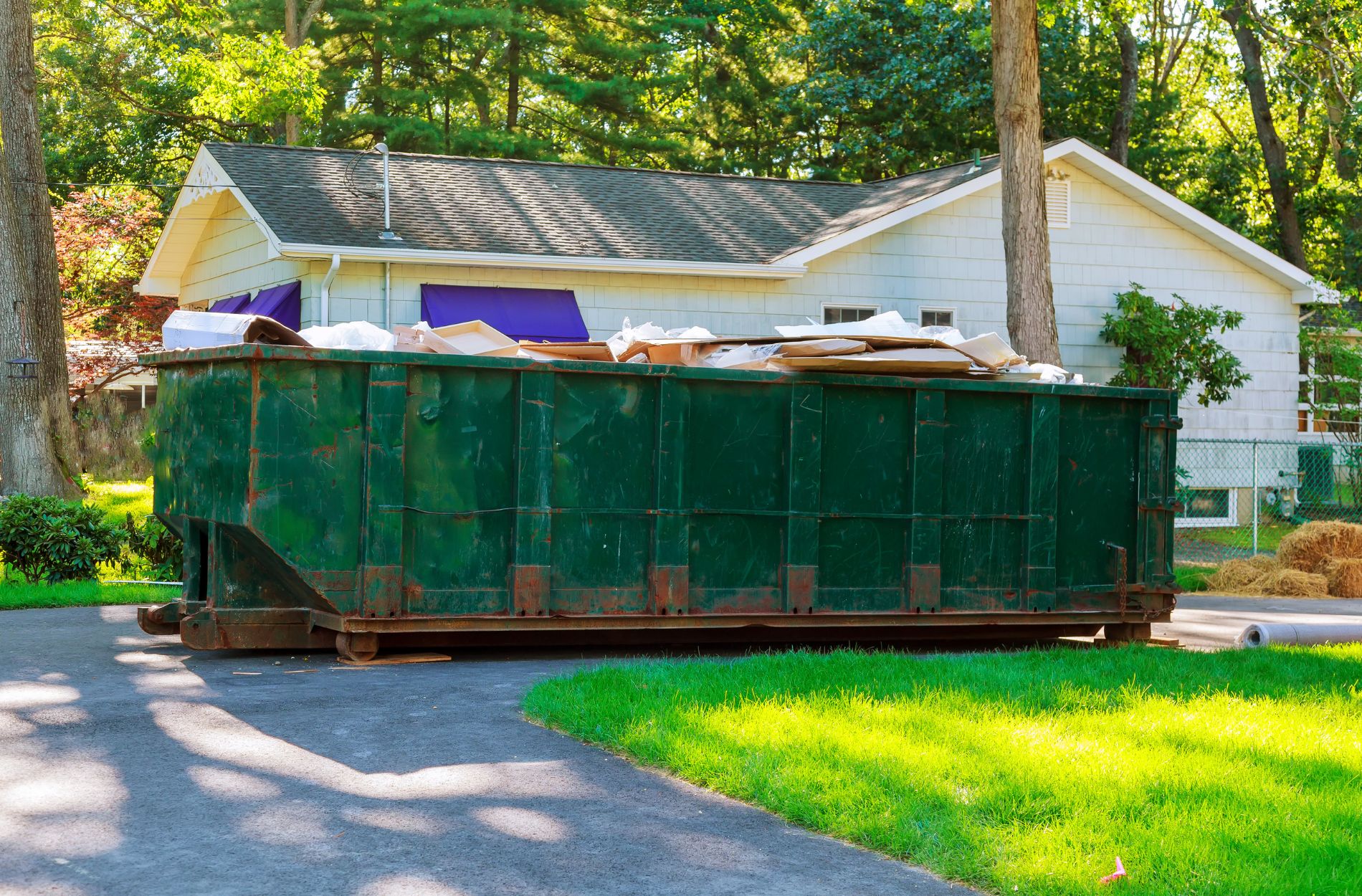
When you fill a roll-off dumpster, it is easy to shut the door, wave goodbye, and stop thinking about that pile of junk. But what happens after the truck pulls away matters a lot for your home, your wallet, and your community. Junk does not just vanish. It has a path, and each step on that path affects how much gets recycled and how much ends up in a landfill.
We want to walk you through what really happens after pickup when you use a professional roll-off container in Westchester, Putnam, Dutchess, and Rockland Counties. You will see how your debris is moved, sorted, and handled, what cannot go in a dumpster, and how choosing responsible service keeps your project simple and your cleanup safer.
From Your Driveway to the Transfer Station
On pickup day, the process is pretty simple from your point of view. Our truck arrives, we make sure the area is clear and safe, then load the roll-off container onto the truck. The driver secures the container, checks that nothing is hanging over the sides, and heads out toward a local transfer station or processing facility.
A transfer station is like a busy middle stop for trash and debris. It is not the final resting place. Instead, it is a central hub where:
- Trucks drop off mixed loads from homes and job sites
- Materials get sorted and sometimes compacted
- Different types of debris are sent to landfills, recycling centers, or special facilities
This stop matters because it is where a lot of the real work happens. Haulers have to follow weight limits and load rules set by local towns and counties. That means planning routes, staying within legal weight on the truck, and keeping certain items out of the container from the start.
You can make this first stage smoother by:
- Not overfilling the container above the top line
- Keeping heavy items spread out, not stacked in one corner
- Following the list of prohibited items you are given
- Keeping kids and pets inside during pickup for safety
When the container leaves your driveway or job site, it is on its way to be sorted and processed, not just dumped in a random pile.
Sorting, Recycling, and Giving Materials a Second Life
Once your load reaches the transfer or recycling facility, the good stuff gets pulled out. Workers and machines sort through the mix of junk to find materials that can live a second life.
Common items that can often be recovered include:
- Metals like steel, aluminum, and copper
- Clean, untreated wood
- Cardboard and some types of paper
- Appliances and certain scrap items
- Concrete, brick, and some masonry
Here is what might happen next:
- Metals go to scrap recyclers, where they are melted down and turned into new products
- Clean wood can be chipped into mulch or used as biomass fuel
- Cardboard and paper can be pulped and made into new boxes or paper goods
- Concrete and brick can be crushed and used as a base for roads or construction
When you load a container the right way, you make this job easier. Things like old patio stones, lumber offcuts, yard debris, and broken concrete from outdoor projects do not always need to go straight to a landfill. Facilities that focus on recovery and recycling can pull a lot of this material and send it to better uses.
Responsible waste service providers work with facilities that aim to reduce what ends up buried in the ground. That means your junk can quietly help support cleaner waste habits across local New York communities.
What Can and Cannot Go in a Dumpster and How It’s Handled
Not everything belongs in a rented container, even if it looks like trash. Some items are unsafe to toss in with regular debris because they can leak, spark, or release harmful fumes.
In most household and light construction projects, you can typically put things like:
- General household junk (old furniture, toys, clothing, non-food trash)
- Remodeling debris (drywall, lumber, cabinets, doors, trim)
- Roofing materials (shingles, underlayment, flashing)
- Outdoor and yard waste (branches, leaves, small shrubs, where allowed by local rules)
- Construction and demolition debris (flooring, tiles, non-hazardous insulation, framing)
Always check your specific rental agreement, because local regulations can change what is allowed.
Common things that usually cannot go into a dumpster include:
- Paint cans that still have liquid paint
- Chemicals, solvents, or cleaning liquids
- Fuels and oils
- Tires and car batteries
- Propane tanks
- Certain electronics and devices with batteries
These items need different handling. In many areas, counties host hazardous waste days where residents can drop off paint, chemicals, and other risky products. Some auto shops accept old tires and batteries. Many towns in and around Westchester and nearby counties have electronics recycling events or drop-off points for old TVs, monitors, and other devices.
Keeping hazardous items out of your container:
- Protects drivers and workers who handle the load
- Helps prevent fires inside trucks or at facilities
- Keeps toxins out of the soil and groundwater over time
If you are not sure about something, it is always better to ask questions before you start loading. That way your rental provider can help match your project needs with what is allowed and what needs special disposal.
Understanding Dumpster Sizes, Time Limits, Costs, and Common Questions
One of the biggest questions people have is simple: what size dumpster do I need? While every project is different, here is general guidance:
- Smaller 10- and 12-yard dumpsters work well for attic cleanouts or a small bathroom remodel
- Mid-size 15- and 20-yard containers can handle larger home cleanouts, roofing projects, or a kitchen update
- Larger sizes are better for big renovations, demolition, or contractor jobs
For many homeowners, a garage or basement cleanout fits into a mid-size container. Bigger pre-winter renovation work, like gutting several rooms, usually needs a larger roll-off.
People also ask how much dumpster rental costs. Pricing changes based on:
- Dumpster size
- Type of debris (light household junk versus heavy construction material)
- How long you keep the container
- Local disposal and landfill rules
Many rentals work on a flat-rate style that includes delivery, pickup, a set rental period, and a certain weight limit. There can be extra charges if you go over the weight limit or place restricted items inside. Asking for a clear breakdown before you book helps you plan.
How long can you keep a dumpster? Most rentals cover several days to about a week, sometimes longer if needed. Extra days are often available for a fee, which is helpful if you are working around job schedules, family time, or changing weather.
Do you offer same-day delivery? In many cases, same-day or next-day service is possible, especially if you call early and there is inventory available. During busy cleanup seasons, planning ahead gives you better odds of getting the size you want on the day you want it.
How Responsible Junk Handling Helps Your Community
When you choose a reliable company for your container, you are not just getting a metal box dropped in your driveway. You are helping support a whole system that sorts, recycles, and disposes of waste in line with New York and local county rules.
That means:
- Less material going into landfills when it can be recycled instead
- Safer working conditions for drivers and facility workers
- Cleaner neighborhoods and fewer illegal dumping problems
- Peace of mind that your junk is handled the right way, even after it leaves your sight
Whether you are clearing out a house before winter, wrapping up a renovation, handling demolition, or doing a big yard cleanup, understanding this process helps you plan better. When you work with a local company like Mr Cheapee Inc. that focuses on roll-off dumpster rentals, demolition, and junk removal in Westchester, Putnam, Dutchess, and Rockland Counties, your project cleanup becomes simpler, safer, and more responsible from start to finish.
Get Started With Your Project Today
Whether you are clearing out a home, managing a construction job, or tackling a big clean-up, Mr Cheapee Inc has the right dumpster options ready when you are. Explore our dumpster rental services to choose the size and schedule that fit your timeline. If you have questions or need help deciding what is best for your project, simply contact us and we will walk you through the details.

Leave a Reply