 Keep Your Jobsite Moving with Smart Dumpster Swaps
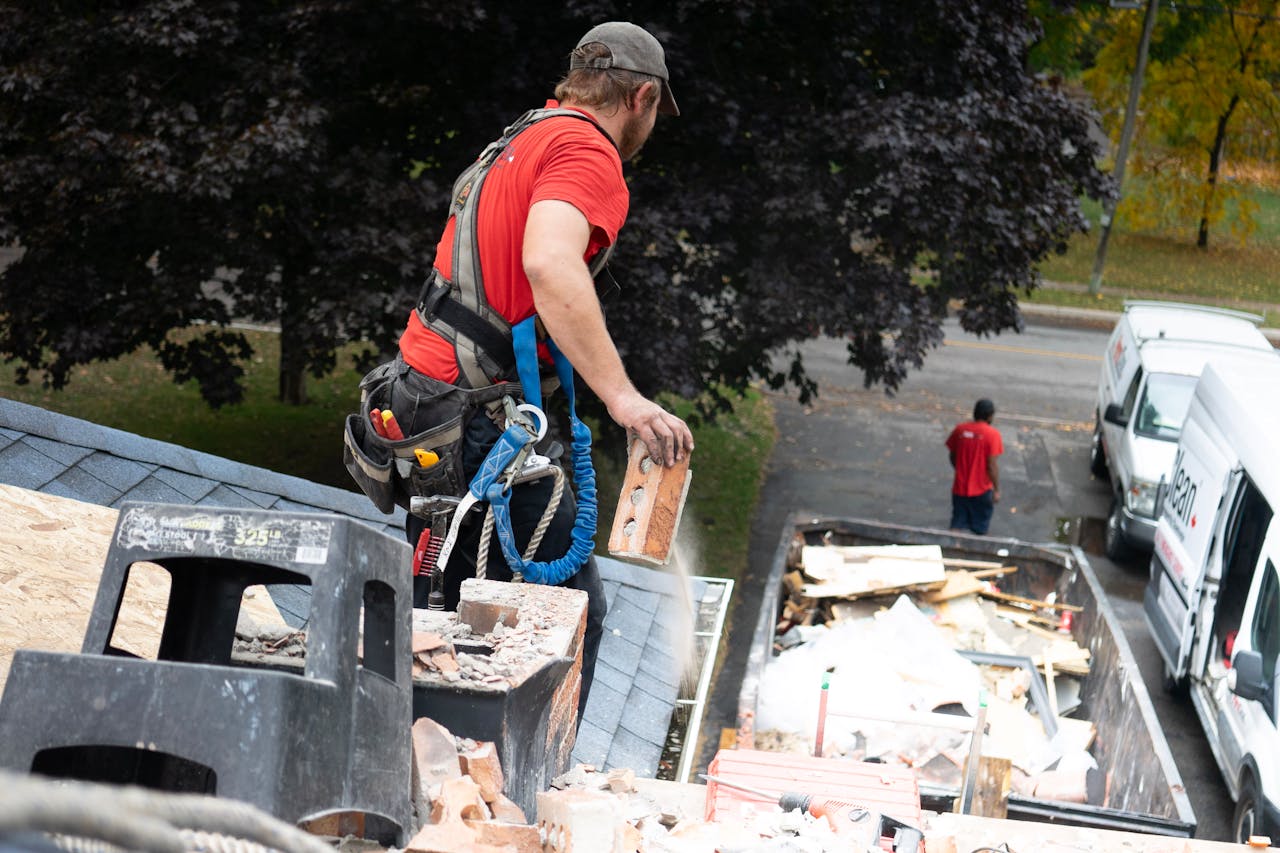
When a roll-off dumpster is full and the swap is late, the whole jobsite feels it. Crews waste time moving debris around, walkways get blocked, and end-of-day cleanup turns into a scramble. Piled-up trash can also raise safety risks and make the site look sloppy in front of clients or inspectors.
Active construction sites need a clear plan for roll-off dumpster swaps so cleanup never slows the work. This matters even more when schedules are tight and several projects overlap. Planning your roll-off dumpster rental schedule should sit right next to inspections, material deliveries, and trade schedules. With some thoughtful prep and a local Hudson Valley provider keeping pace with you, you can keep debris under control and your project flowing.
Map Your Project Phases Around Dumpster Needs
Construction work creates debris in waves, not all at once. If you match dumpster swaps to those waves, you avoid backups and panic calls late in the day.
Common project phases that drive debris include:
- Demo and tear-outs
- Framing and sheathing
- Rough-ins for plumbing, electrical, and HVAC
- Trim, painting, and finish work
- Final punch list and move-out cleaning
Demo usually needs the most frequent swaps. Framing and rough-ins produce steady but lighter debris like cutoffs and cardboard. Finishes create a mix of packing, small scraps, and flooring pieces. A final cleanup may not need a large container, but it needs a clear, open dumpster at the right time.
Sizing and quantity matter too. A small kitchen or bathroom remodel may get by with one container and one planned swap. A whole-house gut or multi-unit renovation may need:
- A larger dumpster for demo days
- One or two medium containers during the build-back
- A smaller container for final cleaning and touchups
For a small commercial fit-out, debris can spike when old walls and fixtures come out, then again when new millwork and displays are unwrapped. Planning for at least one swap around each big demo or delivery phase helps prevent surprise overflows.
It is smart to build a simple debris forecast into your project schedule. Mark down:
- When demo starts and ends
- When major deliveries arrive
- When inspections are planned
Add a buffer of a day or two around busy periods, especially when disposal sites and haulers are under heavier demand. That way, you are not relying on last-minute luck to get a container swapped.
Coordinate Roll-Off Dumpster Rental Like a Pro
A roll-off dumpster is not just a box on the ground. It is a moving part in your daily workflow. The smoother you fit it into that rhythm, the less time you lose.
Think about your typical site day:
- When do crews arrive?
- When do trades switch out?
- When do inspectors usually show up?
Scheduling swaps for early morning, lunch breaks, or between crew shifts keeps trucks from blocking work. If a driver knows when the gate will be open and the path is clear, they can swap and go with almost no impact on your schedule.
Access is a big piece of this. On tight Hudson Valley lots or busy commercial sites, it helps to:
- Keep a marked staging area for the container
- Avoid placing dumpsters where delivery trucks or parked cars can box them in
- Make sure drivers know which entrance to use and where to turn around
Clear, simple instructions go a long way. A short note on the work order or a posted sign by the entry can save a lot of back-and-forth phone calls.
Communication on your team matters too. Decide:
- Who is in charge of calling for swaps
- How far ahead you want to book them
- How you will handle changes from weather delays or change orders
If one person owns that role, things do not fall through the cracks. When the plan shifts, that person talks to your dumpster provider so the cleanup plan does not get left behind.
Avoid the Most Common Dumpster Swap Mistakes
Many delays come from simple, repeatable mistakes. Avoiding them is one of the easiest ways to keep cleanup on schedule.
Common problems include:
- Waiting until the dumpster is heaping over the rim to request a swap
- Blocking the container with pallets, materials, or parked vehicles
- Changing to a different size container in the middle of a project without adjusting the plan
Overloading the dumpster or mixing in prohibited items can slow things down too. A load that is too heavy, or has the wrong materials, might need to be adjusted before it can be hauled. That can push pickup to the next day and leave debris sitting right when you want it gone.
A few simple habits help prevent this:
- Daily checks by a designated site lead
- Internal fill-level triggers, for example, calling for a swap when the container is three-quarters full
- Confirming swap windows during busy late-spring and summer work, when many projects are running at once
These low-effort steps keep you from ending the day with a full dumpster and no clear plan.
Set Clear Jobsite Rules for Safer, Faster Cleanups
Roll-off dumpster swaps work best when everyone on site handles debris the same way. Clear rules keep the container usable, the site safer, and the workflow smoother.
Written debris-handling rules can cover:
- What waste goes into the dumpster
- Where scrap material should be stacked before loading
- Who is responsible for breaking down bulky items and boxes
- How to keep the path to the dumpster clear at all times
Quick signs near the container help remind crews about:
- Safe loading heights
- Weight awareness, like not packing heavy materials too densely
- Keeping prohibited items out of the dumpster
Short huddles at the start of the day work well too, especially when new trades arrive. When everyone knows the plan, you get fewer trip hazards, less clutter, and a more professional-looking jobsite. It also makes it easier for your dumpster provider to back in, swap, and leave quickly.
Plan Your Next Dumpster Schedule with Confidence
Staying ahead of debris is mostly about planning and habits. When you match dumpster swaps to project phases, align delivery times with your daily schedule, and keep access clear, you avoid end-of-day cleanup emergencies. Consistent communication on your crew and with your roll-off dumpster rental provider keeps containers turning over when you need them.
Upcoming projects, especially those starting in late spring and running through the busy warm months, are a perfect chance to review how you handle debris. A quick look at your project scope, timing, and site layout can reveal simple changes that save hours of lost labor and keep your site safer and cleaner.
Dumpster Rental FAQs for Busy Construction Sites
What size dumpster do I need?
Size depends on your project and your space. A small remodel or light cleanout often works with a smaller container. A full home cleanout, whole-house renovation, or multi-unit job usually calls for a larger size. Light commercial work may sit in the middle. A local provider like Mr. Cheapee Inc can help you match the container size and plan the number of swaps so you are not guessing.
How much does dumpster rental cost?
Pricing usually depends on:
- Dumpster size
- Rental length
- Type of debris
- Weight limits
- Number of swaps
- Jobsite location in the Hudson Valley area
When you plan swaps in advance and keep materials within the weight and material guidelines, you are less likely to run into extra hauls or adjustments.
What can I put in a dumpster?
Most construction and renovation debris is fine, such as:
- Wood, drywall, and flooring
- Roofing materials
- Household junk and furniture
- Some appliances and general renovation waste
Items like hazardous materials, certain electronics, and liquids often need special handling. It is always best to confirm materials ahead of time so there are no surprises at pickup.
How long can I keep a dumpster?
Standard rental periods are set to match active jobsites, and longer projects can include extensions or multiple swaps. When you line up rental time with your demo, framing, and finish phases, you cut down on rushed cleanups and last-minute orders.
Do you offer same-day delivery?
Same-day or next-day service may be available in parts of the Hudson Valley, especially helpful when debris builds faster than expected or the schedule shifts. During the busy warm-weather season, planning ahead is still the smartest way to make sure your roll-off dumpster rental and swaps show up right when you need them.
Make Your Cleanup Easier And Your Project More Efficient
Whether you are tackling a home cleanout, renovation, or construction job, Mr Cheapee Inc can provide the right-sized roll-off dumpster rental to keep your worksite organized and on schedule. Our team will help you choose the best option, arrange convenient delivery, and schedule pickup around your timeline. If you are ready to move forward or have questions about your project, simply contact us and we will get everything set up.

Leave a Reply