- No products in the cart.

Archive for December, 2025
Spring Cleaning Dumpster Rental: Your Room-by-Room Decluttering Calculator for Westchester Homes
Friday, December 26th, 2025Spring cleaning season transforms Westchester homes from cluttered winter hideaways into refreshed, organized spaces. The challenge isn’t just deciding what to toss—it’s figuring out exactly how much dumpster space you’ll need for each room’s accumulated junk. After helping thousands of homeowners tackle their spring cleanouts, Mr. Cheapee has developed a practical room-by-room calculator approach that takes the guesswork out of dumpster rental sizing.
Understanding Your Westchester Home’s Decluttering Needs
Every Westchester home tells a different story of accumulation. That colonial in Scarsdale likely has twenty years of basement storage, while the White Plains condo might just need a modest cleanout. The secret to accurate dumpster sizing lies in methodically assessing each room’s potential waste volume. Most homeowners underestimate by about thirty percent, leading to overflow situations or paying for unnecessary space. The National Association of Professional Organizers reports that the average American home contains 300,000 items, and spring cleaning typically removes about ten percent of accumulated belongings.
The Master Bedroom and Closet Calculation
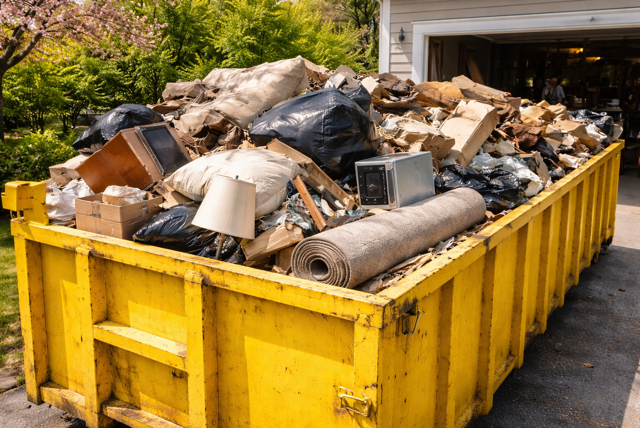
Master bedrooms harbor more than just old clothes—they’re repositories for exercise equipment that became expensive coat racks, mattresses past their prime, and furniture that no longer sparks joy. A standard master bedroom cleanout generates roughly four to six cubic yards of waste, especially when you factor in that king-size mattress taking up valuable closet real estate. Old dressers alone can account for two cubic yards, and don’t forget about those boxes of tax documents from 2005 hiding under the bed. Our comprehensive services include helping homeowners calculate exact volumes based on furniture dimensions and bag counts.
Kitchen and Pantry Purge Calculations
Kitchens present unique challenges because much of the waste involves small appliances, expired pantry items, and decades of accumulated gadgets that promised to revolutionize your cooking. The average Westchester kitchen cleanout produces three to five cubic yards of waste, with broken appliances accounting for significant volume. That bread maker from 2008, the juicer you used twice, and the complete set of chipped dishes all add up quickly. Remember that Westchester County has specific disposal requirements for electronic appliances, which our team handles seamlessly during your rental period.
Basement and Attic Volume Estimates
Here’s where Westchester homes really shine in the junk accumulation department. Basements and attics can easily generate ten to fifteen cubic yards of waste material, especially in older homes where generations of holiday decorations, outgrown toys, and mysterious inherited boxes have taken permanent residence. Water-damaged items often lurk in forgotten corners, and that collection of paint cans from every room renovation needs proper disposal. The EPA’s household hazardous waste guidelines remind us that certain items require special handling, which factors into your overall dumpster planning.
Garage and Outdoor Space Assessment
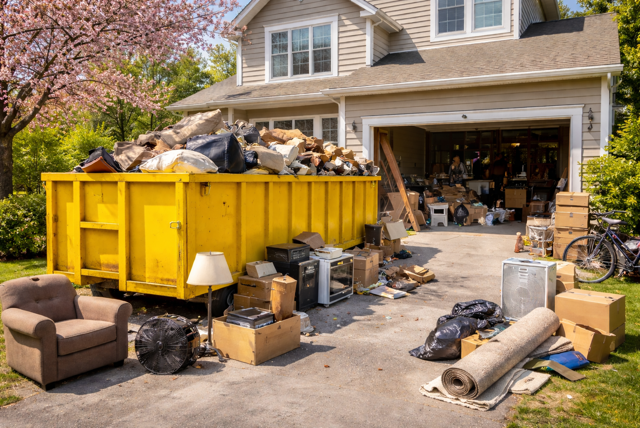
Garages in Westchester often serve as overflow storage rather than for vehicles, accumulating everything from broken lawn mowers to deflated pool toys. A typical two-car garage cleanout yields six to eight cubic yards of debris, particularly when you finally tackle that wall of mysterious boxes labeled “miscellaneous.” Outdoor furniture past its prime, rusted grills, and decomposing deck materials significantly impact your dumpster needs. Learn more about our company’s experience helping homeowners reclaim their garage spaces while properly disposing of automotive fluids and lawn chemicals.
Children’s Rooms and Playroom Considerations
Kids’ spaces accumulate toys and other items at an alarming rate, from outgrown clothes to broken bikes to art projects spanning multiple grades. Each child’s room typically generates two to three cubic yards during a thorough spring cleaning, though playrooms can double that amount. Those plastic playsets that seemed like good ideas at various birthdays, combined with years of stuffed animals and incomplete board games, create substantial volume. The latest insights from our blog reveal that families with multiple children often need twenty percent more dumpster space than initially estimated.
Home Office and Paper Waste Calculations
The shift to remote work has transformed spare bedrooms into home offices, complete with outdated electronics and mountains of paperwork. Digital conversion during spring cleaning means disposing of filing cabinets worth of documents, old computers, printers that haven’t worked since 2015, and furniture that doesn’t fit your current workflow. Home offices typically contribute three to four cubic yards to your total, though proper document shredding might reduce volume while ensuring security. Professional organizers recommend keeping tax documents for seven years, but everything else from that 1990s filing system can probably go.
Calculating Your Total Dumpster Size
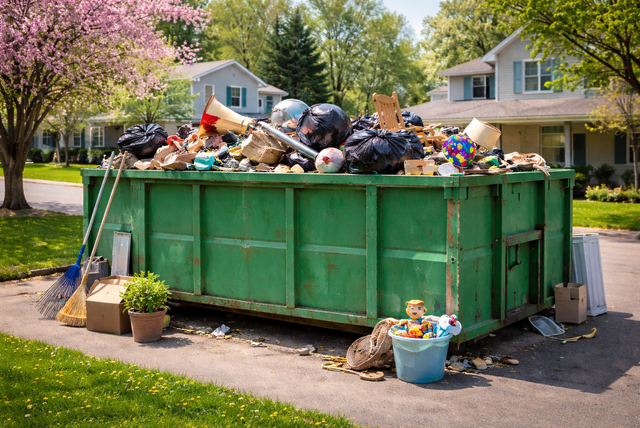
Adding up room-by-room estimates gives you a realistic picture of your spring cleaning dumpster needs. Most Westchester homes require between fifteen and thirty cubic yards for a comprehensive spring cleanout, though your specific situation might vary. Factors like home age, family size, and previous decluttering efforts all influence the final calculation. Weather-damaged items, renovation debris from winter projects, and inherited belongings from estate situations can push requirements higher than initial estimates suggest.
Making Your Spring Cleaning Success Happen
Spring cleaning represents more than just decluttering—it’s about reclaiming your living space and starting fresh. The room-by-room calculation method ensures you rent the right size dumpster without overpaying or running out of space midway through your project. Westchester homeowners who plan strategically complete their spring cleaning faster and more efficiently than those who guess at their needs.
Ready to transform your Westchester home this spring? Don’t let uncertainty about dumpster sizing slow down your decluttering momentum. Mr. Cheapee’s experienced team will help you calculate exactly what you need, deliver it when you want it, and handle all disposal requirements properly. Call us at (914) 635-3912 today to discuss your spring cleaning project and reserve your dumpster today. Your clutter-free home is just one phone call away—let’s make this the spring you finally tackle every room on your list!
The Complete Guide to Westchester County Dumpster Permit Requirements in 2026
Thursday, December 11th, 2025Navigating the permit process for dumpster rentals in Westchester County can feel overwhelming, especially when each municipality has its own set of rules. Whether you’re planning a home renovation, clearing out an estate, or managing a construction project, understanding these requirements beforehand saves both time and money.
Why Westchester Takes Dumpster Permits Seriously
Westchester County’s approach to dumpster permits reflects the area’s commitment to maintaining safe, accessible streets while preserving neighborhood aesthetics. The county learned from past issues where improperly placed dumpsters blocked emergency vehicles, damaged public property, and created hazards for pedestrians. These experiences shaped today’s comprehensive permit system that balances resident needs with community safety.
Local officials recognize that professional dumpster rental services play a crucial role in keeping neighborhoods clean during major projects. The permit process ensures these temporary containers don’t interfere with daily life in densely populated areas. From White Plains to Yonkers, each community has adapted these regulations to fit their unique challenges, whether that’s narrow streets in older neighborhoods or busy commercial districts requiring special consideration.
Understanding the Basic Permit Framework
The foundation of Westchester’s dumpster permit system starts at the county level but gets refined by individual municipalities. Most areas require permits when placing dumpsters on public property, including streets, sidewalks, or rights-of-way. Private property placement typically doesn’t require permits, though homeowners associations might have additional restrictions worth checking.
Permit fees vary significantly across the county, ranging from $50 in smaller townships to over $300 in cities like New Rochelle for extended rentals. These fees cover administrative costs and street maintenance related to dumpster placement. Mr. Cheapee’s comprehensive services include guidance through this permit maze, helping customers understand exactly what their specific location requires.
The application process usually takes three to five business days, though some municipalities offer expedited processing for an additional fee. Applications typically require project details, exact placement location, rental duration, and proof of insurance from the dumpster company. Many towns now accept online applications, streamlining what used to be a time-consuming in-person process.
Municipality-Specific Requirements That Matter
White Plains maintains some of the strictest requirements in the county, mandating reflective markers on all dumpsters and prohibiting placement within 15 feet of fire hydrants. The city also limits rental periods to 14 days initially, with extensions requiring additional applications and fees. Their building department reviews each application individually, considering factors like traffic flow and upcoming city events.
Yonkers takes a different approach, focusing on protecting its older infrastructure. The city requires protective boards under dumpsters to prevent street damage and mandates specific placement angles to maintain traffic visibility. Professional demolition services working in Yonkers know these requirements well, as improper placement can result in immediate removal and substantial fines.
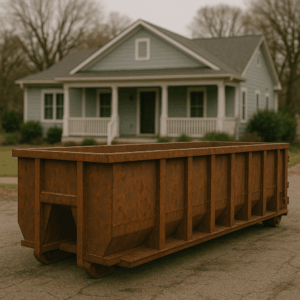
Mount Vernon streamlines the process for residential projects under 30 days, offering a flat-rate permit covering the entire project duration. However, commercial projects face more scrutiny, requiring detailed site plans and sometimes traffic management proposals. The city’s proximity to the Bronx means officials pay special attention to projects near borough boundaries.
Smaller communities like Scarsdale and Bronxville emphasize aesthetic considerations, requiring dumpsters to be covered when not actively being filled and limiting placement to weekdays only in certain residential zones. These towns often coordinate permit approvals with their architectural review boards for projects visible from main thoroughfares.
Timing Your Permit Application Strategically
Success with Westchester dumpster permits often comes down to timing. Applications submitted early in the week typically process faster than those filed on Thursdays or Fridays. The complete range of dumpster options available means selecting the right size initially prevents permit amendments later.
Seasonal considerations affect processing times significantly. Spring and fall see increased renovation activity, potentially extending review periods. Planning your application submission around these peaks ensures your project stays on schedule. Winter applications often process quickest, though weather-related placement restrictions might apply.
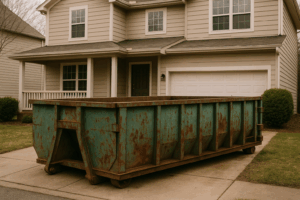
Holiday weeks create additional challenges, as many municipal offices operate on reduced schedules. Factoring in federal holidays, local observances, and typical vacation periods helps avoid unexpected delays. Some municipalities close permit departments entirely during the week between Christmas and New Year’s, making December planning particularly important.
Common Permit Pitfalls and How to Avoid Them
The most frequent permit denial reason involves incomplete applications missing crucial information like accurate placement diagrams or proof of property owner consent. Double-checking application requirements before submission prevents these basic errors that cause unnecessary delays.
Insurance documentation problems represent another common stumbling block. Westchester municipalities typically require dumpster companies to carry minimum liability coverage, with some areas mandating additional bonding. Established waste management providers maintain proper coverage, but verifying this beforehand prevents last-minute scrambles.
Underestimating project duration leads to extension hassles and additional fees. While it’s tempting to minimize initial permit costs with shorter rental periods, realistic timeline assessment saves money long-term. According to local building codes, most renovation projects take 20-30% longer than initially estimated, making conservative permit duration estimates wise.
Placement location errors cause immediate problems once dumpsters arrive. Measuring actual available space, considering overhead wires, and checking sight lines from neighboring driveways prevents on-site placement rejection. Some municipalities provide placement guides through their online permit portals, helping visualize acceptable positions.
Working with Professional Services for Permit Success
Experienced dumpster rental companies familiar with Westchester’s requirements streamline the entire permit process. They understand subtle differences between municipalities and maintain updated contact information for permit offices across the county. This expertise proves invaluable when navigating complex commercial projects requiring multiple approvals.
The relationship between professional contractors and municipal offices often expedites permit processing. Established companies with positive track records may receive faster reviews, as permit officers recognize their compliance history. This advantage extends to their customers, who benefit from these established relationships.
Documentation assistance from knowledgeable providers prevents common application errors. They can provide proper insurance certificates, suggest optimal placement locations based on past permits, and advise on realistic rental durations for different project types. This guidance transforms permit applications from stressful ordeals into routine administrative tasks.
Looking Ahead: 2026 Changes and Considerations
Westchester County continues evolving its permit requirements in response to changing development patterns and environmental priorities. Several municipalities are piloting digital permit systems with real-time tracking, potentially reducing processing times significantly. These modernization efforts should simplify applications while maintaining necessary oversight.
Environmental considerations increasingly influence permit decisions, with some areas offering fee reductions for projects demonstrating recycling commitments. Construction waste recycling guidelines from federal agencies shape these local initiatives. Staying informed about these evolving priorities helps position projects favorably during permit review.
Understanding Westchester County’s dumpster permit landscape requires attention to detail and local knowledge. While the process might seem complex initially, proper preparation and professional assistance make compliance straightforward. Whether you’re planning a major demolition or simple home cleanout, knowing these requirements ensures your project proceeds smoothly.
Ready to start your Westchester County project without permit hassles? Contact Demolition Experts NY at (914) 635-3912 for expert guidance through every step of your demolition and waste removal needs. Their experienced team handles permit coordination, ensuring your project stays on schedule and within budget while meeting all local requirements.