Stop Guessing Dumpster Sizes for Small Jobs
Picking the right dumpster sizing for a small job should not feel like a gamble. Yet many Westchester, Putnam, and Dutchess contractors guess on yards, get hit with surprise overage fees, or lose a day waiting on a swap that was never planned.
This cheat sheet is built for roofing, demo, and flooring crews who want a simple way to match trades to dumpster size, weight limits, and swap timing. With a little planning, you can keep fall roof replacements, interior remodels, and pre-winter cleanouts on schedule and on budget. Our team at Mr. Cheapee Inc works with local contractors every day, so we understand how tight timelines and tight driveways really are in this area.
Quick Dumpster Sizing Rules Every Trade Should Know
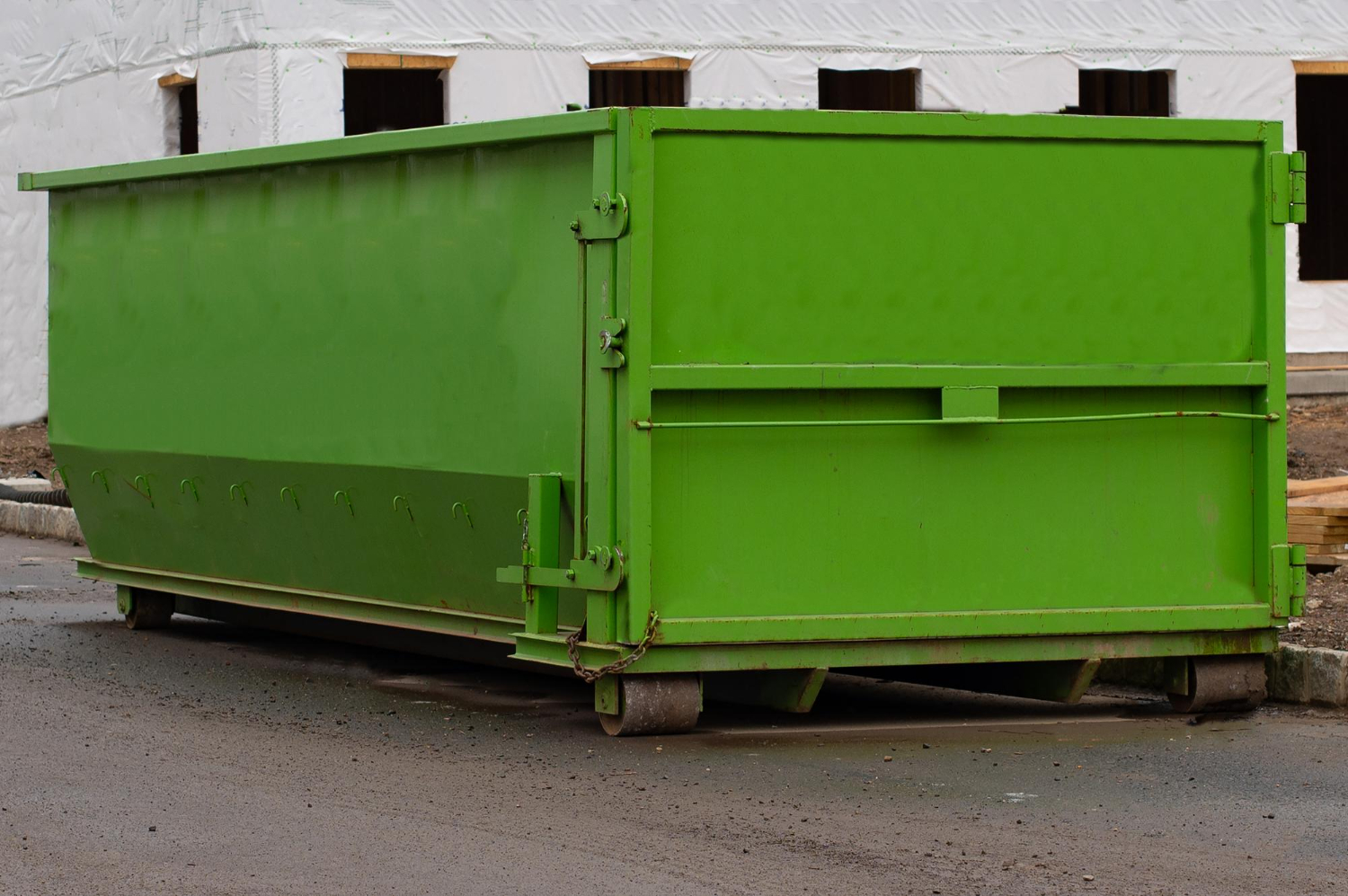
Think of roll-off dumpsters in terms of pickup truck loads. It makes planning much easier.
Here is a simple way to picture common sizes:
- 10 yard: about 3 pickup loads
- 15 yard: about 4 to 5 pickup loads
- 20 yard: about 6 to 8 pickup loads
- 30 yard: about 9 to 12 pickup loads
Height matters too. A 10 or 15 yard is shorter and easier to throw debris into by hand. A 20 or 30 yard gives you more room but may sit higher off the ground.
When choosing a size, small contractors should think about:
- Material density, heavy shingles and tile add weight fast
- Space on site, older Westchester homes often have narrow driveways or low wires
- Local rules, some villages or HOAs limit where you can place a dumpster or how long it can stay
Fast rules of thumb:
- Roofing: start your estimate thinking one size bigger than your gut for multi-layer tear-offs
- Light demo: 20 yard is often the safe middle for kitchens, baths, and decks
- Flooring: 10 or 15 yard works for carpet and light materials, heavier tile or several rooms often jump to a 20 yard
Use these as a starting point, then fine-tune when you book.
Roofing Dumpster Cheat Sheet for Westchester Homes
Most roofs in this area fall into a few common types like Cape Cods, ranches, and smaller colonials. For a single-layer asphalt tear-off:
- Small Cape or ranch: 10 to 15 yard usually covers it
- Average colonial around 1,500 to 2,000 square feet: 20 yard is the normal pick
- Larger homes or complex roofs: 30 yard or a planned swap
Asphalt shingles are heavy. A “square” of shingles covers 100 square feet and stacks up weight quickly. A smaller 10 or 15 yard can fill with shingles long before it looks full, so going up a size often saves money on overweight fees and extra trips.
Good times to bump up in size:
- Two layers of shingles
- Heavy sheathing or lots of rotten wood coming off
- Steep roofs where crews throw more scrap and offcuts
For swap timing, many roofers like a morning drop, then a late-day pickup or swap if it is a full tear-off. In fall, shorter daylight hours and wetter weather mean you want firm delivery and pickup windows. Placing the dumpster close to the garage or main driveway entry makes loading safer and faster, and protects lawns when the ground is soft.
FAQs for Roofing dumpster rentals
What size dumpster do I need?
- Small single-layer tear-off: 10 to 15 yard
- Average 1,500 to 2,000 square foot home: 20 yard
- Larger roofs or multiple layers: often a 30 yard or a 20 yard with a planned swap
How much does dumpster rental cost?
Pricing depends on size, roofing material weight, rental length, and distance to the property. We keep pricing simple and flat-rate so small contractors can bid with confidence and avoid surprise line items later.
What can I put in a dumpster?
Roofing dumpsters can usually take asphalt shingles, felt, nails, flashing, drip edge, and wood sheathing from typical residential jobs. Items like asbestos roofing, liquids, or some commercial roofing materials need special handling and should be discussed first.
How long can I keep a dumpster?
Standard rental windows work well for most one- or two-day roofing tear-offs. Planning your tear-off around a clear weather window keeps you from needing extra days.
Do you offer same-day delivery?
Same-day or next-day delivery is often possible, especially for storm damage or last-minute roof work, when you call early and share your timing.
Demo and Remodeling Dumpster Game Plan
Interior and exterior demo creates mixed debris that fills a dumpster differently than straight shingles. Common small-contractor jobs include:
- Kitchen or bath gut
- Basement or attic cleanout
- Deck teardown or small shed demo
- Single-room or first-floor remodel
Mixed debris like wood, drywall, plaster, cabinets, tile, and windows stacks up bulky and can get heavy. That is why a 20 yard often becomes the sweet spot for demo: big enough for most small projects without overpowering tight driveways or older streets.
Swap timing is all about keeping the crew moving:
- Plan drops and swaps around other trades so dumpsters are out of the way of deliveries
- In dense neighborhoods, schedule noisy loading during normal work hours
- On tight sites, stage debris near the driveway until the dumpster arrives, then load fast to free up space
FAQs for Demolition dumpster rentals
What size dumpster do I need?
- Single bathroom gut: 10 or 15 yard
- Small kitchen remodel: 15 or 20 yard
- Full first-floor or several rooms: 20 or 30 yard
- Small deck or shed: 10 or 15 yard
How much does dumpster rental cost?
Costs follow size, debris type like plaster, concrete, lumber, fixtures, rental length, and any extra weight. Heavier jobs often make sense in a slightly larger size to avoid extra fees.
What can I put in a dumpster?
Typical demo waste like wood, drywall, plaster, cabinets, doors, windows, and non-hazardous fixtures is usually fine. Paints, solvents, certain appliances, refrigerants, and hazardous materials must stay out.
How long can I keep a dumpster?
Standard rental periods match up with most demo timelines, whether you are doing a fast gut or a phased renovation over several weeks. Clear staging and a set plan keep you within the normal window.
Do you offer same-day delivery?
Fast delivery is often possible for change orders or rush projects, especially when you call early in the day with clear details.
Flooring Tear-Out and Cleanup Dumpster Strategy
Flooring jobs look light at first, then the pile grows. Carpet and padding are bulky but not very heavy. Hardwood, laminate, tile, and subfloor in older homes can turn into a serious stack.
Here is a quick flooring guide:
- Single-room carpet and pad: 10 yard is usually plenty
- Several rooms of carpet or light laminate: 10 or 15 yard
- Whole-apartment hardwood replacement: 15 or 20 yard
- Tile-heavy projects or thick subfloor: 20 yard is safer
Tile is dense and heavy, especially with mortar and backer board. It is better to have a bit more space than to try to squeeze it all into a small can.
In multi-family buildings, your plan has to match building rules and access:
- Coordinate with management for delivery times and loading areas
- Check elevator and hallway paths so debris moves cleanly
- Follow curbside placement rules and keep driveways and walks clear for neighbors
FAQs for Flooring dumpster rentals
What size dumpster do I need?
Single-room carpet pull usually fits in a 10 yard. Multi-room hardwood or a whole-apartment flooring job often needs a 15 or 20 yard. Heavy tile across several rooms points you toward a 20 yard.
How much does dumpster rental cost?
Smaller dumpsters usually cost less overall, but heavy materials and tricky access can affect pricing. Planning the right size up front helps keep the flooring job on budget.
What can I put in a dumpster?
Flooring dumpsters can take carpet, padding, hardwood, laminate, tile, underlayment, tack strips, and baseboards. Adhesives in cans, liquids, and some chemicals are not allowed.
How long can I keep a dumpster?
Many flooring tear-outs are one or two day jobs. Larger or staged projects may need more time, so lining up the rental window with your crew schedule avoids extra-day charges.
Do you offer same-day delivery?
Same-day dumpsters are often possible for flooring work when schedules allow, especially during busy shoulder seasons if you plan early.
Smart Scheduling and Seasonal Tips for Fall Projects
Weather around Westchester, Putnam, and Dutchess can shift fast, especially in fall. Exterior work like roofing and decks needs a clear window for safe loading and truck access, while interior remodeling and flooring can keep going even if it is wet outside.
Smart timing tactics for any trade:
- Order the dumpster at least one business day before you start
- Plan swaps for the middle of the job, not when the driveway is already jammed
- Match pickup times with inspections, material drops, or key milestones
A simple planning checklist for foremen:
- Confirm size based on trade and scope
- Pick the exact spot for placement with enough clearance
- Check access for trucks, crews, and neighbors
- Set delivery and pickup windows that match your work hours
When you build dumpster sizing and timing into your estimate, you protect your schedule, your budget, and your crew’s sanity. Mr. Cheapee Inc is a local, affordable partner for roll-off dumpsters, junk removal, and demolition in Westchester, Putnam, and Dutchess counties, and we are ready to help small contractors match the right can to every job.
Get Started With Your Project Today
Choosing the right container is easier when you have clear guidance on dumpster sizing for your specific project. At Mr Cheapee Inc, we help you match your debris, space, and budget to the dumpster that fits best. If you are ready to move forward or still have questions, simply contact us and we will walk you through the next steps.

Leave a Reply