
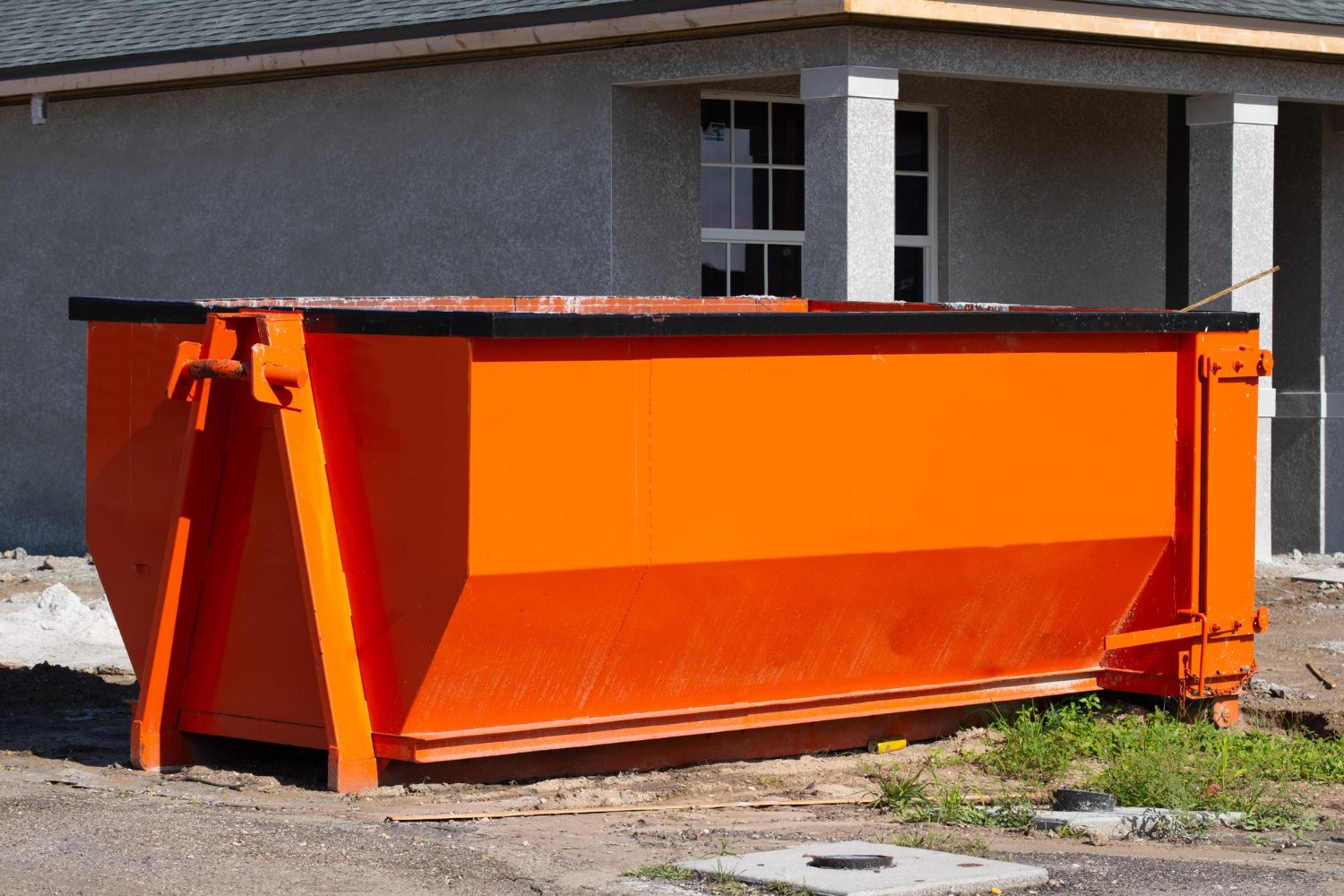
 Plan Smarter Renovations with the Right Dumpster Size
Starting a multi-room renovation feels exciting until the debris starts piling up. One minute you are tearing out cabinets and old carpet, the next you are staring at a dumpster that is either overflowing or barely filled. Dumpster sizing might not be the first thing you think about, but it has a big impact on how smooth your project runs.
For single-room projects, you can sometimes guess and get away with it. With a kitchen plus a bath, or a whole first floor, there is a lot more going on. More materials, more trades coming and going, and longer timelines all mean more chances for waste to stack up in the wrong place. The right dumpster sizing keeps debris moving out while the work moves forward.
A smart plan helps you avoid extra hauls, surprise delays, and messy piles that slow down crews. It also keeps walkways clear so your home or jobsite stays safer. In areas like Westchester, Putnam, Dutchess, and Rockland Counties, local rules, driveway space, and narrow streets all play a part in which dumpster size actually works best on your property.
Map Your Renovation Scope Before You Choose a Dumpster
Before you pick a dumpster, get clear on what you are really doing. Start by listing every space you plan to touch, not just the “main” room.
Helpful ways to group your project include:
- Rooms with full gut demolition, like a down-to-the-studs kitchen or bath
- Rooms with medium work, like new flooring and drywall repairs
- Light cosmetic rooms, like paint and a few small fixtures
- Storage areas, like basements, attics, and garages, that may turn into big cleanouts
Next, think through what will actually go in the dumpster. Common debris on multi-room jobs includes:
- Old cabinets, counters, shelves, and closet systems
- Drywall and insulation from opened walls and ceilings
- Flooring like carpet, padding, tile, laminate, and wood
- Fixtures such as sinks, toilets, doors, trim, and interior windows
- Bagged trash from decluttering, packing, and unpacking
If your renovation covers several hundred square feet or a full level of your home, debris adds up fast. A kitchen demo alone can fill a small container, and adding one or two baths on top of that can quickly push you into a larger size.
Timing also matters. If you demo one room at a time over several weeks, you may be fine with a smaller dumpster that gets swapped out more often. If your contractor plans to gut several rooms in the same week, a larger size usually makes more sense, so crews are not waiting for a pickup.
Here in the Hudson Valley, we also see:
- Short or sloped driveways that limit where a dumpster can sit
- Narrow village streets where placement needs extra care
- HOA or town rules about how long a container can stay out front
Knowing these details early helps you match your renovation scope with a realistic dumpster plan.
Dumpster Sizing Basics for Multi-Room Projects
Dumpster sizes are measured in cubic yards, which is a way to describe how much space is inside the container. Typical sizes for residential work include 10, 15, 20, and 30 yard dumpsters.
Here is how those sizes often line up with multi-room projects:
- 10 yard: Good for a small bathroom plus a partial kitchen demo, or two bedrooms of carpet and light debris
- 15, 20 yard: Works well for a full kitchen and one or two baths, or three to four rooms with new flooring and drywall work
- 30 yard: Best for major multi-room or whole-floor gut jobs, like a kitchen, several bedrooms, and a basement cleanout together
Going too small can mean you run out of space halfway through demolition, then have to stop while you wait for an extra haul. Going a little larger than you think you need is often easier on your schedule, because you are less likely to interrupt work to make room for more debris.
Dumpster sizing does not have to be a guess. A quick phone conversation where you share your room list, what you are removing, and how fast demo will happen can help narrow down the right container for your project.
Seasonal Timing and Pickup Strategies for Fall Renovations
Fall is a popular time for renovation in New York. The weather is cooler, humidity drops, and many homeowners want projects wrapped up before guests start visiting. That means dumpster schedules can fill up fast.
To keep things simple:
- Reserve your dumpster ahead of time, especially for Friday and Monday deliveries
- Aim to have it placed just before demolition starts, not after piles have already formed
- Coordinate timing with your contractor so crews can load debris as they work
For multi-room renovations, it can help to think in stages:
- Stage 1: Heavy demo in kitchens, baths, and structural areas
- Stage 2: Medium debris from drywall, flooring, and framing changes
- Stage 3: Light debris from trim, packaging, and final punch-list work
You might use one dumpster for the first wave of heavy demo, then schedule a swap halfway through, and keep the last container on site for the final cleanup. As fall goes on and days get shorter, keeping debris in the dumpster instead of scattered around helps keep walking paths safer in low light.
Some towns also have specific rules for yard waste and leaf pickup during fall. Keeping renovation debris contained in a dumpster reduces the chance of mixing it with leaves or regular trash, which can lead to confusion with neighbors or local sanitation crews.
What You Can and Cannot Toss During a Remodel
Most everyday renovation debris can go into a dumpster without any trouble. This usually includes:
- Wood, trim, studs, and framing scraps
- Drywall, plaster, and non-hazardous insulation
- Cabinets, doors, windows, countertops, and shelving
- Tiles, flooring, tubs, sinks, and non-hazardous household junk
- Bagged trash from decluttering before or after the remodel
Some items need special handling. Common examples are:
- Paints, stains, and solvents that may count as hazardous
- Asbestos-containing materials, which must follow strict rules
- Certain electronics that are covered by e-waste programs
- Appliances with refrigerants that require proper removal
Heavy materials like concrete, brick, roofing, and dirt also deserve extra thought. They can hit weight limits quickly even if the dumpster is not full. For projects that include these heavy items, you may:
- Choose a size that matches both volume and weight
- Plan a separate container just for heavy debris
- Talk through the mix of materials before the dumpster arrives
Going over agreed weight limits can lead to extra charges, so it helps to sort out these materials early and decide how they will be handled.
Cost, Rental Terms, and Same-Day Service in Your Area
Several factors shape how a dumpster rental fits into a multi-room renovation. The main points that usually affect your plan are:
- Dumpster size, since bigger containers hold more debris
- Type of debris, especially the mix of light and heavy materials
- Rental length, such as a short intense demo or a longer phased project
- Number of hauls, swaps, or extra pickups needed along the way
- Local disposal rules and dump fees in your county
Common questions we hear on multi-room jobs include:
What size dumpster do I need?
This depends on how many rooms you are renovating, how deep the demo goes, and what you are throwing out. A clear list of spaces, square footage, and material types will help match you with a 10, 15, 20, or 30-yard container that fits your plan.
How much does dumpster rental cost?
Pricing is shaped by size, debris type, rental duration, and how many times the container needs to be emptied. Sharing your project details up front helps set clear expectations about your total disposal plan.
What can I put in a dumpster when I mix renovation debris with old furniture?
In many cases, standard construction debris can be combined with non-hazardous household junk and furniture. Items that may be considered hazardous, very heavy, or regulated should be discussed ahead of time.
How long can I keep a dumpster, and what if my project runs late?
Typical rentals cover a set number of days, with options to extend if your schedule changes. If your renovation falls behind, you can usually keep the dumpster longer as long as you are aware of how that affects the terms.
Do you offer same-day delivery?
Same-day or rush delivery is sometimes available when container capacity and schedule allow. For last-minute changes or surprise demo decisions, calling as early in the day as possible helps.
Careful planning around dumpster sizing, timing, allowed materials, and rental terms will keep your multi-room renovation moving steadily, with fewer surprises and cleaner work areas from start to finish.
Get Started With Your Project Today
Choosing the right roll-off dumpster is easier when you have expert guidance on dumpster sizing tailored to your project. At Mr Cheapee Inc, we help you match the container to your debris so you avoid overpaying or running out of space. Reach out so we can walk you through your options, provide a clear quote, and schedule delivery at a time that works for you. If you are ready to talk details now, just contact us.
