- No products in the cart.
The Complete Guide to Westchester County Dumpster Permit Requirements in 2026
Navigating the permit process for dumpster rentals in Westchester County can feel overwhelming, especially when each municipality has its own set of rules. Whether you’re planning a home renovation, clearing out an estate, or managing a construction project, understanding these requirements beforehand saves both time and money.
Why Westchester Takes Dumpster Permits Seriously
Westchester County’s approach to dumpster permits reflects the area’s commitment to maintaining safe, accessible streets while preserving neighborhood aesthetics. The county learned from past issues where improperly placed dumpsters blocked emergency vehicles, damaged public property, and created hazards for pedestrians. These experiences shaped today’s comprehensive permit system that balances resident needs with community safety.
Local officials recognize that professional dumpster rental services play a crucial role in keeping neighborhoods clean during major projects. The permit process ensures these temporary containers don’t interfere with daily life in densely populated areas. From White Plains to Yonkers, each community has adapted these regulations to fit their unique challenges, whether that’s narrow streets in older neighborhoods or busy commercial districts requiring special consideration.
Understanding the Basic Permit Framework
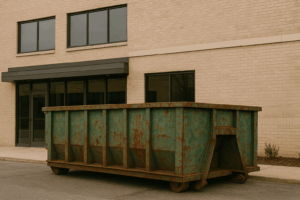
The foundation of Westchester’s dumpster permit system starts at the county level but gets refined by individual municipalities. Most areas require permits when placing dumpsters on public property, including streets, sidewalks, or rights-of-way. Private property placement typically doesn’t require permits, though homeowners associations might have additional restrictions worth checking.
Permit fees vary significantly across the county, ranging from $50 in smaller townships to over $300 in cities like New Rochelle for extended rentals. These fees cover administrative costs and street maintenance related to dumpster placement. Mr. Cheapee’s comprehensive services include guidance through this permit maze, helping customers understand exactly what their specific location requires.
The application process usually takes three to five business days, though some municipalities offer expedited processing for an additional fee. Applications typically require project details, exact placement location, rental duration, and proof of insurance from the dumpster company. Many towns now accept online applications, streamlining what used to be a time-consuming in-person process.
Municipality-Specific Requirements That Matter
White Plains maintains some of the strictest requirements in the county, mandating reflective markers on all dumpsters and prohibiting placement within 15 feet of fire hydrants. The city also limits rental periods to 14 days initially, with extensions requiring additional applications and fees. Their building department reviews each application individually, considering factors like traffic flow and upcoming city events.
Yonkers takes a different approach, focusing on protecting its older infrastructure. The city requires protective boards under dumpsters to prevent street damage and mandates specific placement angles to maintain traffic visibility. Professional demolition services working in Yonkers know these requirements well, as improper placement can result in immediate removal and substantial fines.
Mount Vernon streamlines the process for residential projects under 30 days, offering a flat-rate permit covering the entire project duration. However, commercial projects face more scrutiny, requiring detailed site plans and sometimes traffic management proposals. The city’s proximity to the Bronx means officials pay special attention to projects near borough boundaries.
Smaller communities like Scarsdale and Bronxville emphasize aesthetic considerations, requiring dumpsters to be covered when not actively being filled and limiting placement to weekdays only in certain residential zones. These towns often coordinate permit approvals with their architectural review boards for projects visible from main thoroughfares.
Timing Your Permit Application Strategically
Success with Westchester dumpster permits often comes down to timing. Applications submitted early in the week typically process faster than those filed on Thursdays or Fridays. The complete range of dumpster options available means selecting the right size initially prevents permit amendments later.
Seasonal considerations affect processing times significantly. Spring and fall see increased renovation activity, potentially extending review periods. Planning your application submission around these peaks ensures your project stays on schedule. Winter applications often process quickest, though weather-related placement restrictions might apply.
Holiday weeks create additional challenges, as many municipal offices operate on reduced schedules. Factoring in federal holidays, local observances, and typical vacation periods helps avoid unexpected delays. Some municipalities close permit departments entirely during the week between Christmas and New Year’s, making December planning particularly important.
Common Permit Pitfalls and How to Avoid Them
The most frequent permit denial reason involves incomplete applications missing crucial information like accurate placement diagrams or proof of property owner consent. Double-checking application requirements before submission prevents these basic errors that cause unnecessary delays.
Insurance documentation problems represent another common stumbling block. Westchester municipalities typically require dumpster companies to carry minimum liability coverage, with some areas mandating additional bonding. Established waste management providers maintain proper coverage, but verifying this beforehand prevents last-minute scrambles.
Underestimating project duration leads to extension hassles and additional fees. While it’s tempting to minimize initial permit costs with shorter rental periods, realistic timeline assessment saves money long-term. According to local building codes, most renovation projects take 20-30% longer than initially estimated, making conservative permit duration estimates wise.
Placement location errors cause immediate problems once dumpsters arrive. Measuring actual available space, considering overhead wires, and checking sight lines from neighboring driveways prevents on-site placement rejection. Some municipalities provide placement guides through their online permit portals, helping visualize acceptable positions.
Working with Professional Services for Permit Success
Experienced dumpster rental companies familiar with Westchester’s requirements streamline the entire permit process. They understand subtle differences between municipalities and maintain updated contact information for permit offices across the county. This expertise proves invaluable when navigating complex commercial projects requiring multiple approvals.
The relationship between professional contractors and municipal offices often expedites permit processing. Established companies with positive track records may receive faster reviews, as permit officers recognize their compliance history. This advantage extends to their customers, who benefit from these established relationships.
Documentation assistance from knowledgeable providers prevents common application errors. They can provide proper insurance certificates, suggest optimal placement locations based on past permits, and advise on realistic rental durations for different project types. This guidance transforms permit applications from stressful ordeals into routine administrative tasks.
Looking Ahead: 2026 Changes and Considerations
Westchester County continues evolving its permit requirements in response to changing development patterns and environmental priorities. Several municipalities are piloting digital permit systems with real-time tracking, potentially reducing processing times significantly. These modernization efforts should simplify applications while maintaining necessary oversight.
Environmental considerations increasingly influence permit decisions, with some areas offering fee reductions for projects demonstrating recycling commitments. Construction waste recycling guidelines from federal agencies shape these local initiatives. Staying informed about these evolving priorities helps position projects favorably during permit review.
Understanding Westchester County’s dumpster permit landscape requires attention to detail and local knowledge. While the process might seem complex initially, proper preparation and professional assistance make compliance straightforward. Whether you’re planning a major demolition or simple home cleanout, knowing these requirements ensures your project proceeds smoothly.
Ready to start your Westchester County project without permit hassles? Contact Demolition Experts NY at (914) 635-3912 for expert guidance through every step of your demolition and waste removal needs. Their experienced team handles permit coordination, ensuring your project stays on schedule and within budget while meeting all local requirements.
Leave a Reply